Demis Hassabis urges dedicating one’s energy to solving meaningful, impactful problems through interdisciplinary collaboration, especially in deep technology, while anticipating the arrival of Artificial General Intelligence (AGI) around 2030. He advocates for a modular approach where AGI leverages specialized AI tools and encourages innovators to design adaptable solutions that remain relevant in a future shaped by AGI.
Demis Hassabis emphasizes the importance of dedicating one’s energy and life force to solving deep, meaningful problems rather than superficial or simpler ones. He suggests that while both types of problems have their own challenges, focusing on impactful issues is more worthwhile given the limited time and energy we have in life. The idea is to contribute to something that truly matters and where one’s efforts can make a significant difference.
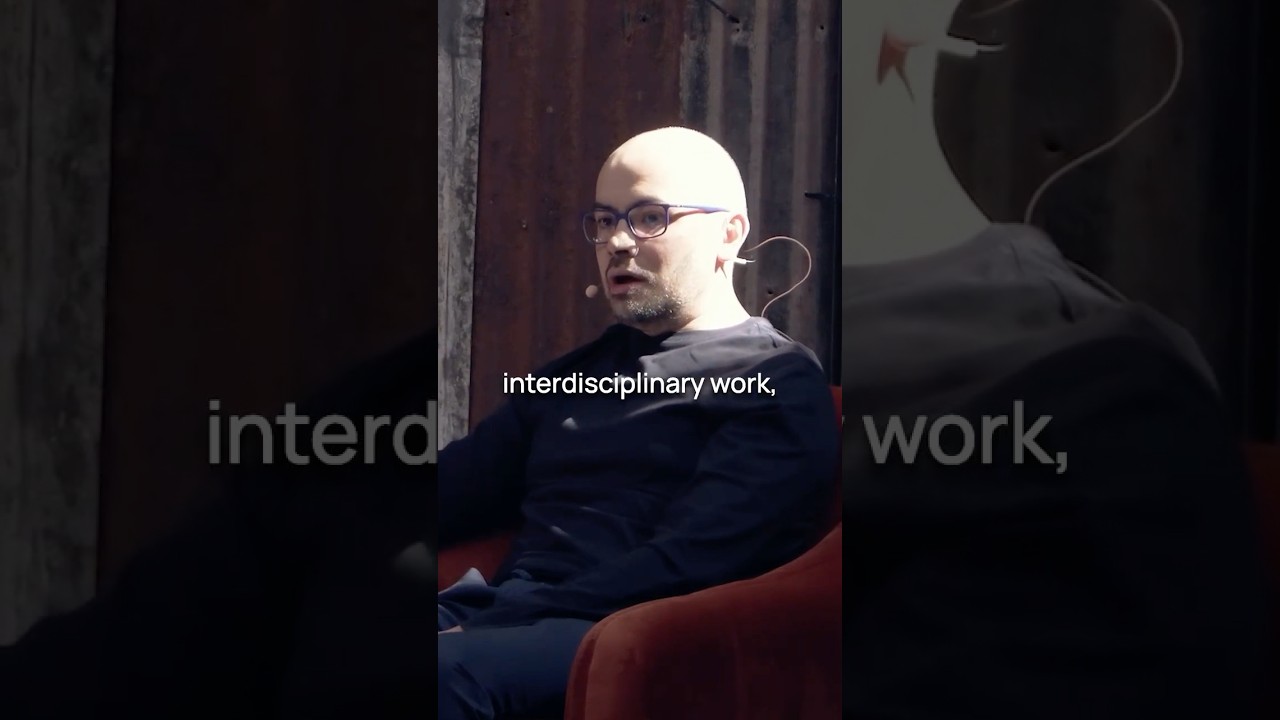
He also highlights the growing importance of interdisciplinary work, especially in the realm of deep technology. Hassabis believes that the future will see an increasing blend of different fields, facilitated by AI, which will make it easier to find connections and innovate across disciplines. This interdisciplinary approach is crucial for tackling complex problems and advancing technology in meaningful ways.
Regarding timelines, Hassabis shares his perspective on the development of Artificial General Intelligence (AGI), estimating it might arrive around 2030. He points out that embarking on a deep tech project today typically involves a decade-long journey, so the potential emergence of AGI during this period must be factored into planning. This raises questions about how AGI might influence or integrate with ongoing deep tech efforts.
He discusses the relationship between specialized AI systems and general AI systems, suggesting that future AGI will likely use specialized tools rather than trying to incorporate all specialized knowledge into one monolithic system. For example, a general AI might leverage a specialized protein-folding system like AlphaFold as a tool, rather than attempting to perform protein folding itself. This modular approach would optimize efficiency and avoid performance regressions.
Finally, Hassabis encourages thinking about the broader implications of AGI on various industries, including manufacturing and finance. He advises innovators to imagine a future where AGI exists and to build technologies and systems that remain useful and relevant even if AGI arrives midway through their development. This forward-thinking mindset is essential for creating resilient and adaptable solutions in a rapidly evolving technological landscape.
Useful Links