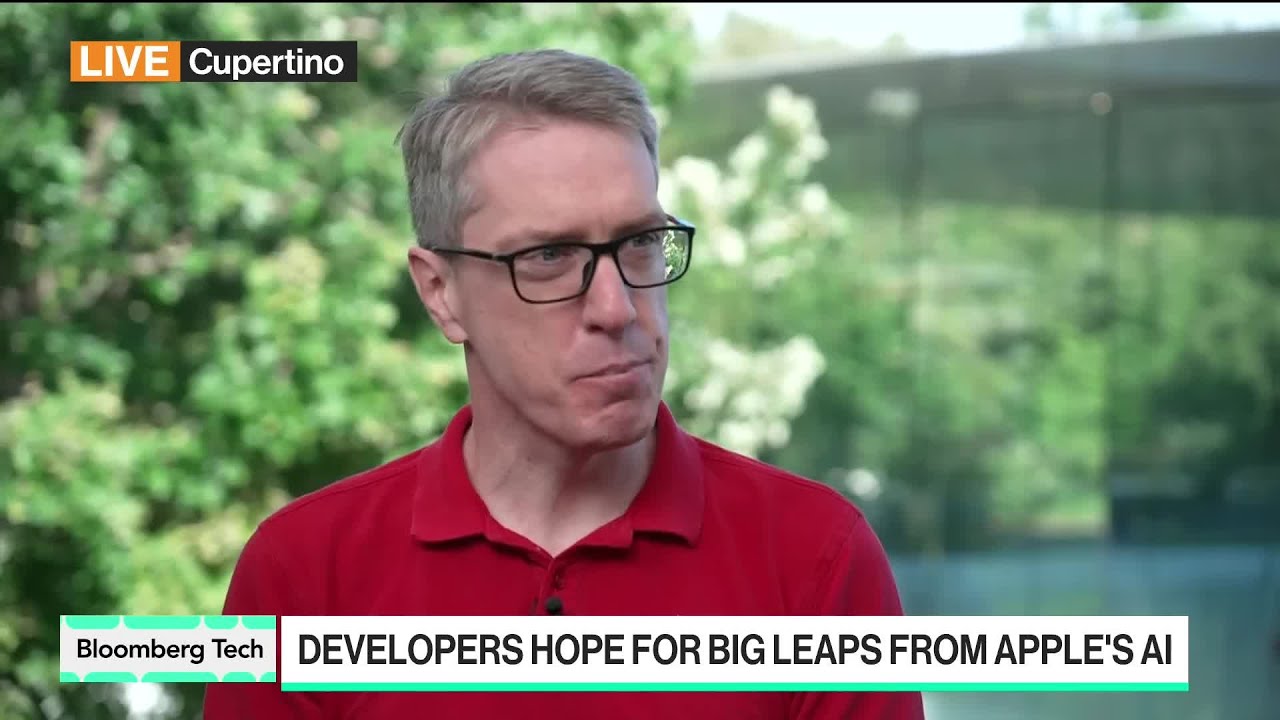
The discussion centers on the evolving role of Siri, with developers hoping it transforms from a simple voice feature into a robust platform. The ideal scenario is for Siri to seamlessly integrate with app data, allowing developers to expose their app functionalities directly to Siri. This would enable Siri to handle complex, multi-step tasks intelligently, improving user experience by reducing misunderstandings and repetitive clarifications. The goal is for Siri to become genuinely useful across iOS and macOS, moving beyond basic voice commands to more sophisticated interactions.
A significant challenge highlighted is the variability in how users phrase requests, with many different ways to ask for the same action. Developers want Apple to handle this complexity through advanced natural language processing, so they don’t have to worry about the nuances of user input. The hope is that Apple will provide powerful APIs that allow developers to feed their app data and code into Siri, which then uses AI to interpret and execute commands while maintaining user privacy.
Privacy remains a critical concern, especially in light of reports suggesting that Google’s Gemini AI model might underpin the new Siri. Developers express strong preference for Apple to handle AI processing on-device or within its private cloud infrastructure, aligning with Apple’s longstanding commitment to user privacy. Trust in Apple’s privacy-first approach is paramount, and developers are eager to see whether the AI powering Siri will be managed entirely by Apple or involve external entities like Google.
The conversation also touches on the cross-platform potential of Siri, emphasizing the importance of seamless integration across Apple’s ecosystem, including iPhone, MacBook, watchOS, tvOS, and VisionOS. While most developer revenue currently comes from iPhone apps, there is a desire for Apple to encourage broader adoption across its various platforms. Enhanced integration, such as universal control between iPad and Mac, is seen as a positive step, but developers hope for even tighter and more comprehensive ecosystem connectivity.
Finally, the discussion briefly shifts to Apple’s leadership and branding, noting the excitement around John Turner, a hardware-focused figure who has quickly become a celebrity within the community. The conversation ends on a lighter note about Apple’s operating system naming conventions, with hopes that macOS will retain its distinctive names like Big Sur or Tahoe, even as iOS and other OS versions move toward simpler numeric naming schemes. Overall, the developers express cautious optimism about Apple’s AI future, emphasizing privacy, integration, and usability as key factors.