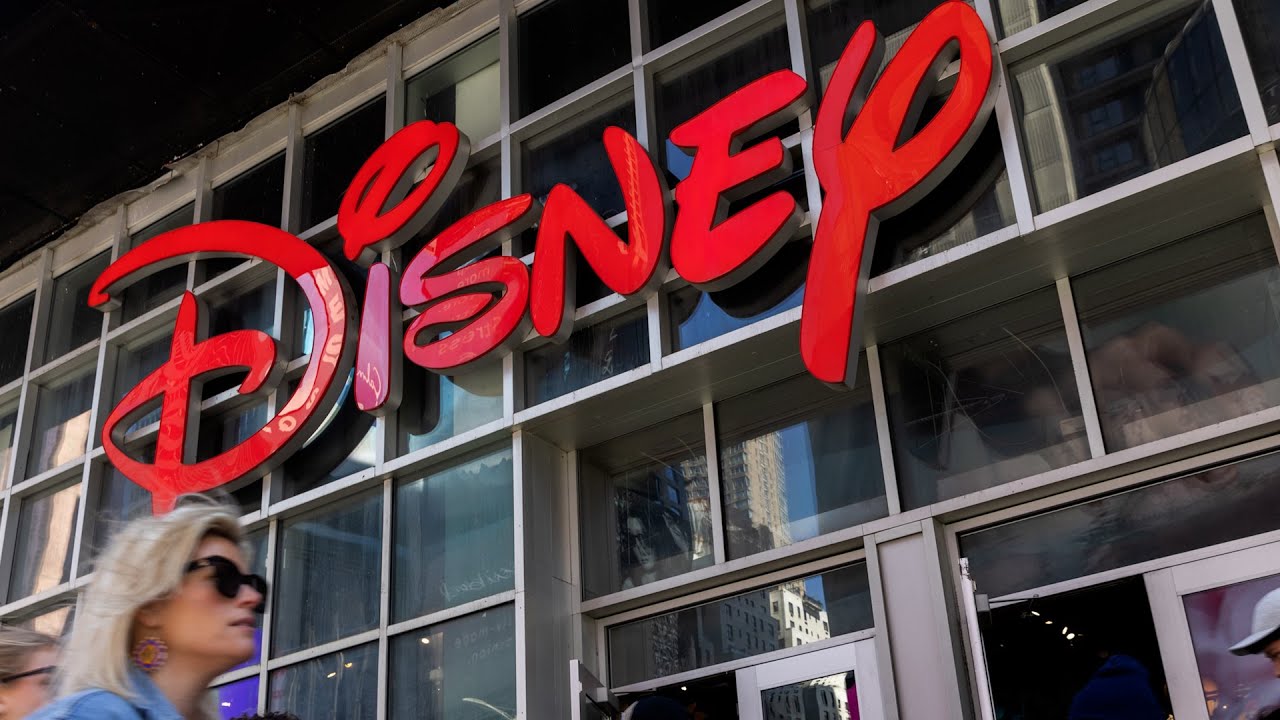
Disney has licensed 200 of its character creatures to OpenAI and invested $1 billion in the company, securing an exclusive one-year deal to leverage AI technology while maintaining future flexibility. This partnership offers Disney advanced AI tools and competitive advantages but also raises industry concerns about job security and intellectual property rights amid the evolving AI landscape.
Disney has taken a significant step in intellectual property licensing within the generative AI space by licensing 200 of its character creatures to OpenAI and making a $1 billion investment in the company. This move marks a major development amid ongoing anxiety about how AI will impact the entertainment industry. Disney’s CEO Bob Iger has leveraged his extensive experience to secure a deal that is exclusive for only one year, allowing Disney to benefit from OpenAI’s technology while retaining flexibility to explore other partnerships in the future.
From Disney’s perspective, the deal offers multiple advantages. By partnering with OpenAI, Disney gains access to cutting-edge AI tools that can be integrated into their creative processes and employee workflows, such as using ChatGPT internally. Additionally, Disney becomes a major customer of OpenAI, which could lead to further collaborations down the line. The investment also positions Disney to compete with other tech giants like Google, which has been pressuring OpenAI, and strengthens Disney’s negotiating power in the evolving AI landscape.
However, the deal also raises concerns and tensions within Hollywood and the broader creative community. There is unease about the potential for AI to replace human jobs, especially in animation and content creation. Bob Iger’s recent cease and desist letter to Google highlights Disney’s protective stance over its intellectual property, particularly as AI companies increasingly seek to use copyrighted material for training their models. The entertainment industry is watching closely to see if more licensing deals or lawsuits will emerge as AI technology continues to advance.
The balance of power between Hollywood studios and AI labs is complex. Studios like Disney can afford to walk away if they are unsatisfied with AI partnerships, whereas AI companies rely heavily on access to valuable IP to enhance their models. Google’s existing multi-year deal with Disney through YouTube TV gives it a closer relationship with the studio, potentially influencing future negotiations. Meanwhile, owners of highly valuable IP, such as Nintendo or sports leagues, hold strong leverage in these discussions, underscoring the importance of intellectual property in the AI era.
Finally, the impact of AI on the workforce remains a critical issue. Hollywood workers are concerned about job security as AI tools become more capable of automating tasks traditionally done by humans. With recent industry challenges like wildfires and layoffs, there is heightened anxiety about the future. Bob Iger and other leaders will need to provide reassurance to their employees about how AI will be used responsibly and how human creativity will continue to play a vital role in entertainment production.