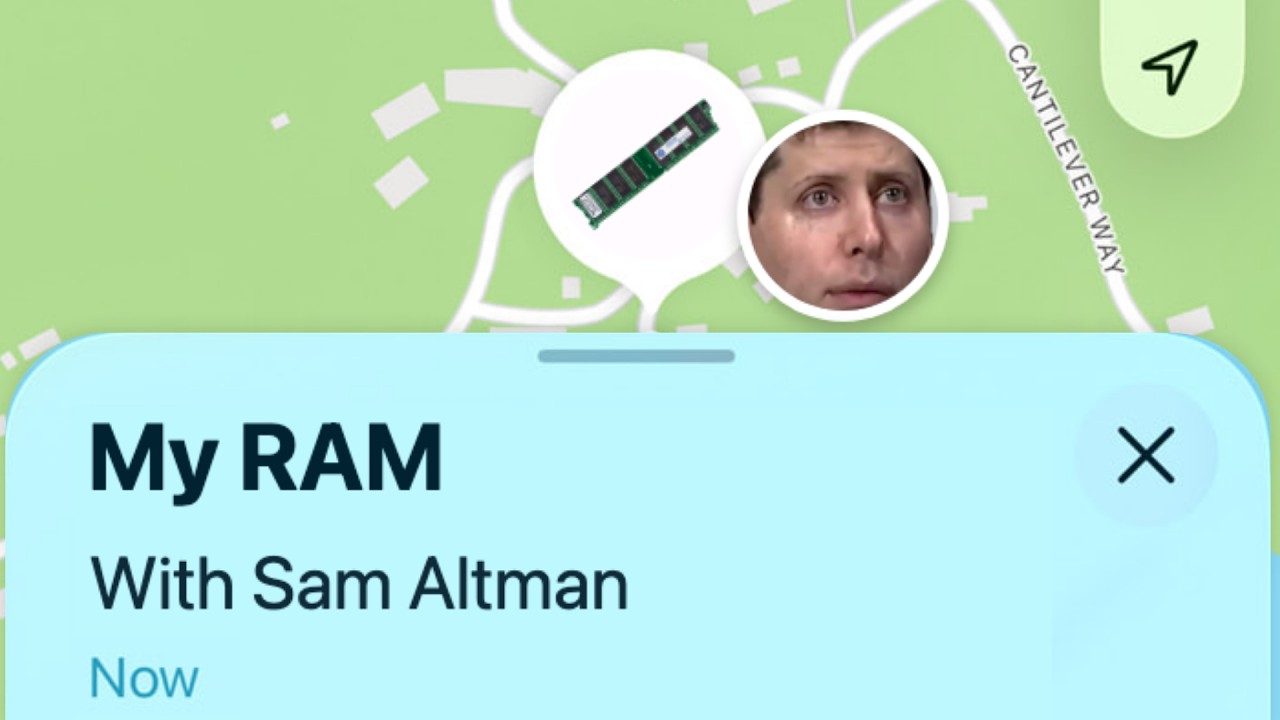
The global supply of DRAM (RAM) is currently under immense pressure due to skyrocketing demand, especially from AI companies and large data centers. Despite RAM traditionally being a commodity that sits idle most of the time in personal computers, major players like OpenAI have secured massive portions of the world’s RAM supply through letters of intent, effectively diverting it from consumer markets. This has caused prices for consumer RAM, such as a 32GB DDR5 kit, to quadruple within a year, with thefts of RAM becoming common due to its high value.
The RAM market is dominated by just three companies: Samsung, Micron, and SK Hynix. These manufacturers also produce high-bandwidth memory (HBM) used in AI GPUs, which consumes significantly more silicon per unit of memory. AI companies are willing to pay premium prices for HBM, further reducing the supply available for regular RAM. Major tech giants like Microsoft, Google, Amazon, and Meta are investing heavily in data centers, exacerbating the shortage. Micron has even discontinued its consumer brand Crucial to focus on larger strategic customers, admitting it cannot meet all demand and has no clear timeline for improvement.
Historically, the DRAM industry has been plagued by price-fixing scandals and market manipulation, with major companies fined hundreds of millions and executives imprisoned. Despite this, the current market remains highly profitable, with companies reporting record margins and revenues. The high cost of memory is impacting other tech sectors, including smartphones and GPUs, with prices for flagship devices and graphics cards soaring. Nvidia and AMD have both raised prices, and new GPU releases have been delayed due to memory shortages and costs.
Efforts to increase supply through new factories are underway but will take years to impact the market. Micron’s new factory in Idaho is expected to start production in mid-2027, but even then, much of the output will be dedicated to HBM for AI applications. Chinese manufacturers are expanding rapidly but primarily serve their domestic market. Analysts predict that the RAM shortage and high prices will persist until around 2028, when new capacity comes online and demand from AI may stabilize or decline.
Ultimately, the RAM market follows a cyclical pattern of booms and busts. Past cycles ended with crashes when overcapacity met reduced demand. The current AI-driven boom is unprecedented, and a price crash is likely only once AI growth slows. Until then, consumers face high prices and limited availability, effectively renting RAM from data centers rather than owning it outright. The video concludes that cheap RAM will return eventually, but only after the AI bubble bursts and the industry resets.