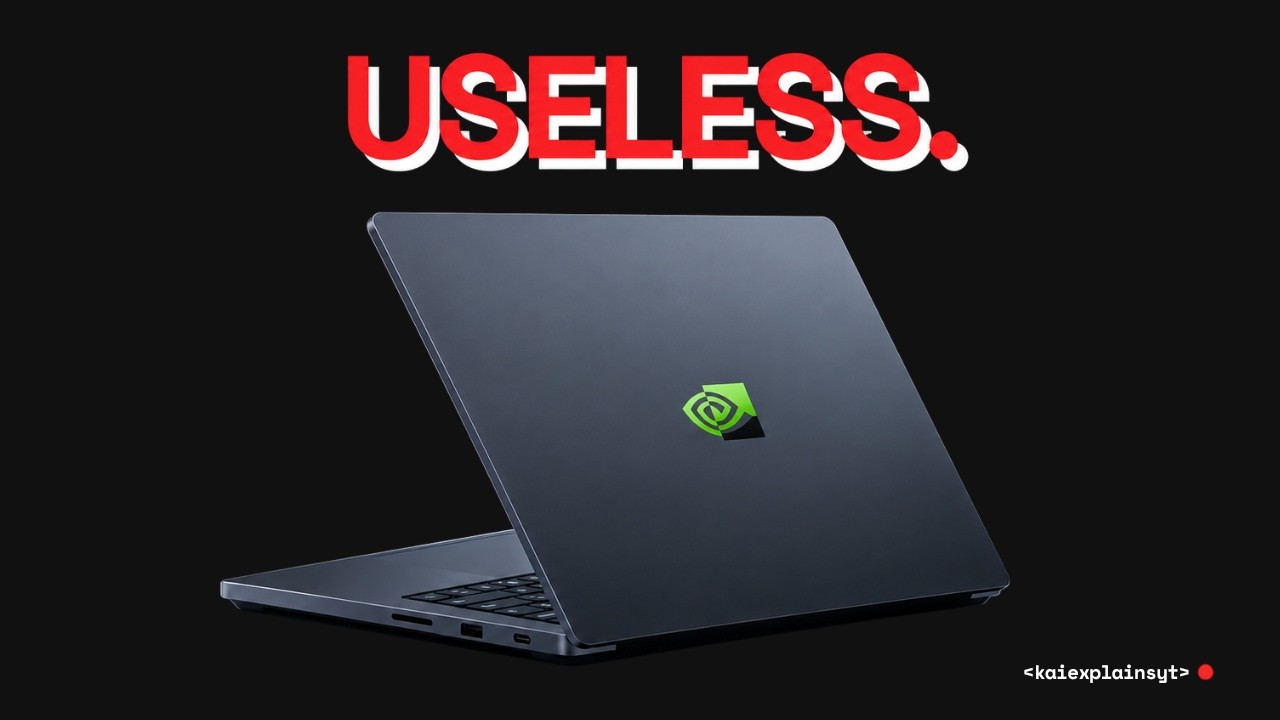
The video provides an in-depth analysis of the RTX Spark laptop, specifically the Surface Laptop Ultra with 128 GB of unified memory, aimed at users wanting to run local AI models efficiently. The presenter initially highlights the excitement around this laptop due to its unprecedented 128 GB of unified memory accessible at full speed by both CPU and GPU, a feature previously unavailable in laptops. The RTX Spark N1X chip combines a powerful CPU and GPU, similar to Nvidia’s DGX Spark desktop AI box, making it seemingly ideal for running large AI models like Microsoft’s MAI code 1.1 Flash, which fits comfortably within the laptop’s memory.
However, the critical issue uncovered is the laptop’s slow “prefill” speed—the time it takes to read and process the input prompt before generating any output. While the laptop boasts impressive memory bandwidth that supports fast output (“decode”) speeds, the prefill process is limited by the chip’s compute power, which is throttled by the laptop’s lower power budget (45-80 W) compared to the desktop’s 140 W. This results in significantly longer wait times for large prompts, with Microsoft’s own data showing up to 170 seconds before the first word appears on a 128,000-token prompt, a detail often omitted in reviews and marketing.
This performance bottleneck is particularly relevant for users running complex workflows like local coding agents, where the context grows with each interaction, requiring repeated prefill operations. Although cached or “warm” prompts can be processed faster, any new or large input resets the delay, making the laptop less suitable for heavy, real-time AI workloads despite its portability and impressive specs. The presenter also notes the laptop’s pricing relative to the DGX Spark desktop, which remains more powerful but significantly more expensive, and mentions an upcoming Surface RTX Spark Devox model with a slightly higher power envelope.
The video also compares the RTX Spark laptop to AMD alternatives, which, while generally slower on CUDA-optimized software, show promising improvements in prefill speeds and come at a much lower price point. The presenter advises potential buyers to wait for detailed reviews focusing on real-world prefill times at relevant context lengths, sustained performance on battery, final power specifications, and actual availability before making a purchase decision. Microsoft’s extended holiday return policy offers some flexibility for early adopters.
In conclusion, while the RTX Spark laptop represents a significant step forward in portable AI hardware with its large unified memory and powerful GPU, its current limitations in prompt processing speed make it a less-than-ideal choice for users with heavy local AI workloads. The presenter hopes future reviews and real-world testing will reveal better performance but stresses the importance of knowing the 170-second prefill delay before investing $6,000. The video encourages viewers to consider their specific use cases carefully and stay tuned for further comparisons and updates.
Useful Links