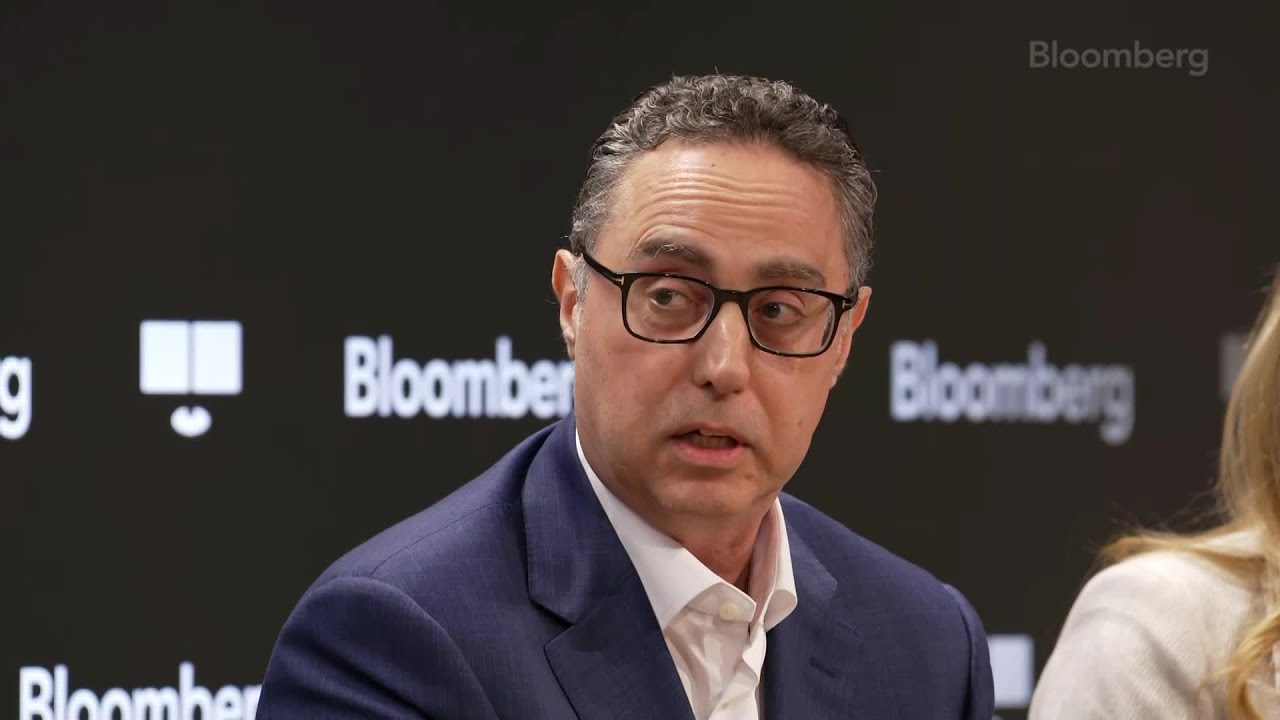
Robert Cohen from DoubleLine warns of a potential AI credit bubble, emphasizing the need to carefully evaluate the creditworthiness of AI-related companies, particularly those reliant on aggressive growth to service debt. He advises investors to focus on companies with strong financial structures and sustainable cash flows to avoid the risks associated with speculative credits in the AI sector.
Robert Cohen from DoubleLine discusses the current landscape of AI-related credit deals, emphasizing the importance of evaluating the risk of an AI bubble. He defines a credit bubble as a situation where credits are unlikely to repay their debt, citing the energy sector as an example where bonds defaulted quickly due to unsustainable debt. While he does not believe the credit market is in a bubble yet, he expresses concern about the equity markets, where valuations and growth expectations may be reaching unrealistic levels.
Cohen highlights that historically, major technological advancements—such as railroads, telephones, and the internet—have often led to bubbles. Given this pattern, he assigns a high probability to the emergence of an AI bubble. He stresses the need to consider which credit instruments will survive a potential economic downturn, focusing on those with strong balance sheets and resilient structures rather than those reliant on rapid growth.
He points out that some hyperscale companies in the AI space are likely to perform well, but he expresses caution about companies like Oracle, which he views as having a high-yield credit profile with riskier spreads. Cohen advises investors to avoid taking on excessive technology obsolescence risk, drawing on his experience as an analyst during the dot-com bubble burst, which informs his cautious stance.
The key takeaway from Cohen’s perspective is the importance of scrutinizing the creditworthiness of AI-related companies, particularly looking at their ability to service debt without relying on aggressive growth projections. Credits that can sustain themselves through current cash flows and solid financial structures are more likely to endure a market cycle, whereas those dependent on dramatic growth pose significant risks.
In conclusion, Cohen warns that speculative credits in the AI sector, which have yet to fully emerge, are the ones to watch closely. Investors should be wary of companies that require substantial growth to meet debt obligations, as these are the most vulnerable in a potential AI credit bubble. His overall message is one of caution, urging a focus on financial strength and sustainability amid the excitement surrounding AI investments.