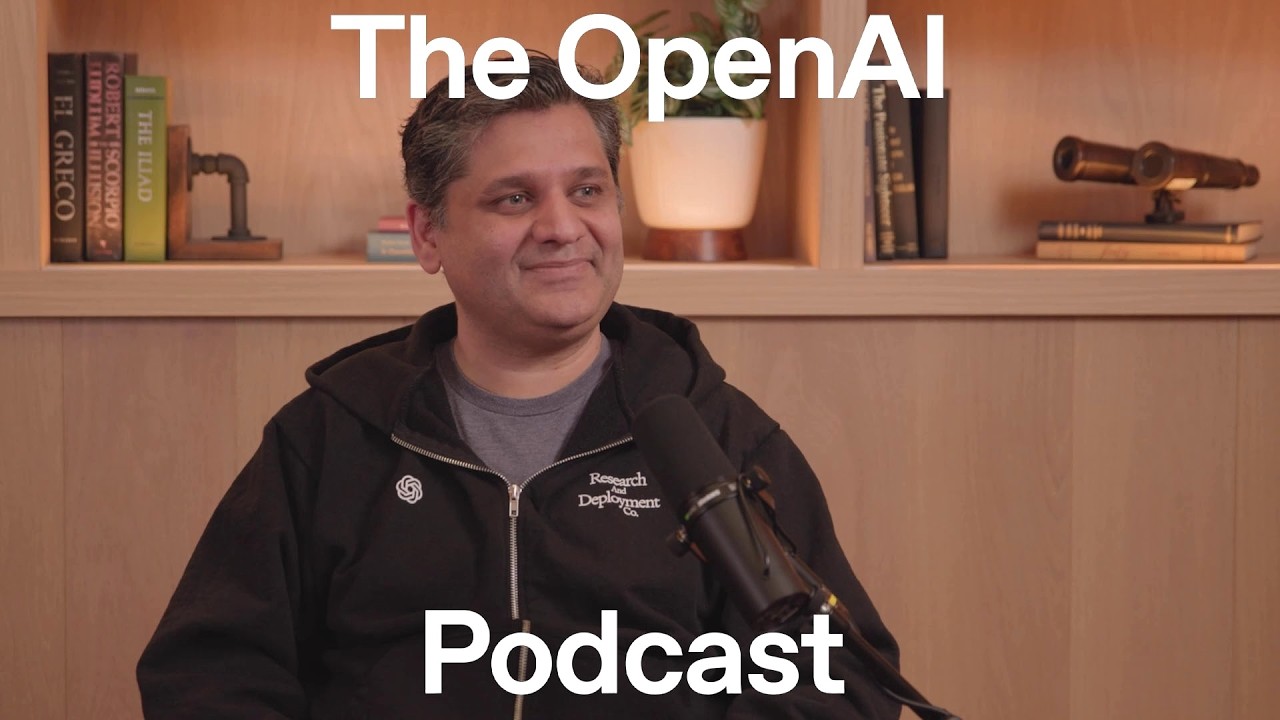
In this episode of the OpenAI podcast, Andrew Mayne interviews Assad Awan about the introduction of ads in ChatGPT. The discussion centers on how ads will be integrated into the platform, who will see them, and how OpenAI plans to maintain user trust. Ads will be shown to users on the free and lower-tier plans, while Pro, Plus, and Enterprise users will not see ads. The core principle guiding this decision is OpenAI’s mission to democratize access to advanced AI by making it available to as many people as possible, and ads are seen as a practical way to fund higher usage limits for free users without compromising the quality of the product.
Awan emphasizes that trust is at the heart of OpenAI’s business model. The company has established strict principles to ensure that ads do not interfere with the integrity of ChatGPT’s responses. Answers generated by the model are kept completely separate from ads, both visually and technically. The model itself does not know whether an ad is being displayed, and advertisers do not have access to user conversations. Sensitive conversations—such as those involving health, politics, or violence—are never used for ad targeting, and users are given transparency and control over what data can be used for personalization.
The podcast also addresses user concerns about privacy and the potential for ads to become intrusive or “creepy.” OpenAI has implemented robust controls, allowing users to see what data is being used for ads, clear their data, or opt out of personalization entirely. For those who prefer an ad-free experience, upgrading to Pro or Plus is presented as a straightforward solution. The company’s internal rubric prioritizes user trust above user value, advertiser value, and revenue, ensuring that decisions are made with the user’s best interests in mind.
From a design perspective, OpenAI is taking a conservative approach to ad placement, ensuring a clear visual distinction between model responses and ads. The goal is to make ads useful and relevant without disrupting the user experience. The company is also cautious about the frequency and context of ads, preferring to show fewer, high-quality ads rather than overwhelming users. Sensitive contexts are rigorously defined and enforced, with advanced models used to detect and filter out inappropriate ad placements.
Looking ahead, Awan envisions a future where ads become more conversational and agentic, making it easier for small businesses to reach their target audiences and for users to discover relevant products. The long-term vision is for ads to be as helpful and unobtrusive as possible, leveraging AI to match users with products they genuinely care about. OpenAI’s commitment to transparency, user control, and trust is positioned as a key differentiator from other companies in the industry, aiming to set a new standard for responsible advertising in AI-powered platforms.