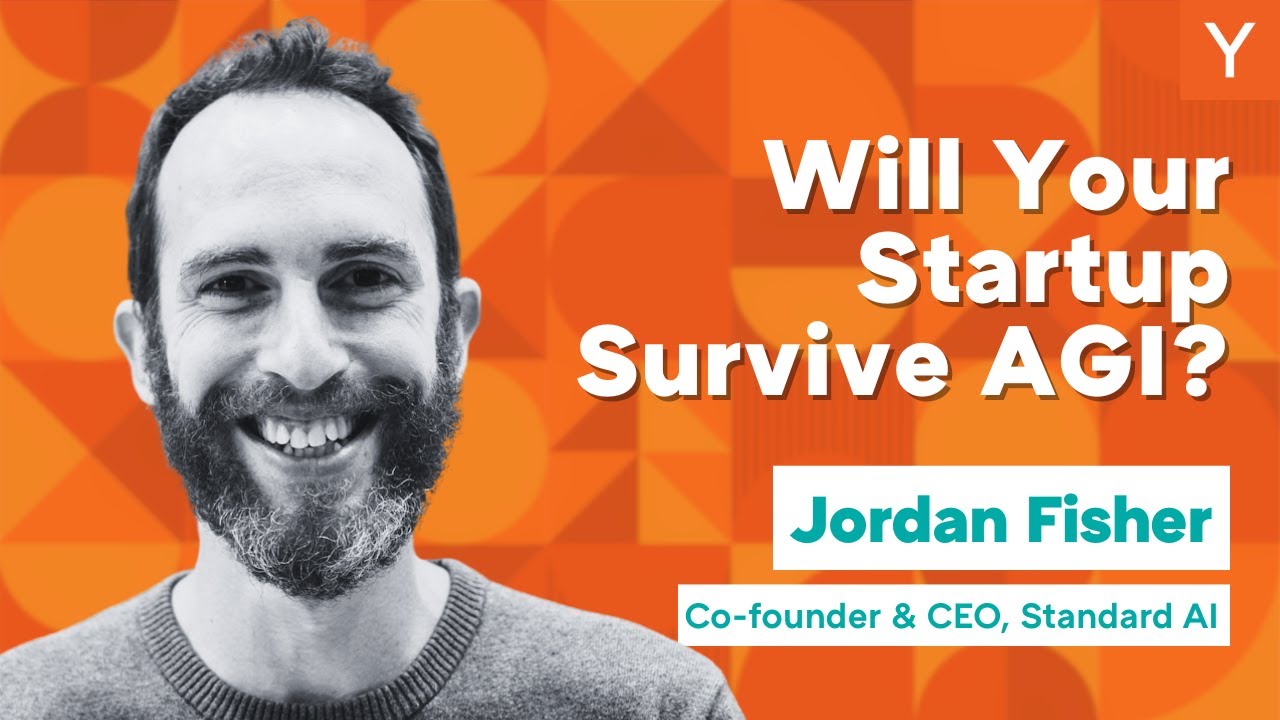
In this insightful talk, the speaker expresses a profound sense of confusion about the rapidly evolving AI landscape, emphasizing that confusion can be the starting point for meaningful inquiry and innovation. Drawing from extensive experience in technology and startups, the speaker notes a shift from confidently predicting the future to only being able to foresee a few weeks ahead, underscoring the unprecedented pace of change brought by AI advancements. The core message revolves around the importance of asking critical questions to navigate this uncertain environment, particularly for AI founders who must rethink their strategies, products, and team dynamics in light of AI’s transformative potential.
The speaker highlights a paradox in startup culture: while focus is traditionally seen as the key to success, founders must simultaneously juggle a multitude of responsibilities, from hiring to fundraising to product development. This multifaceted challenge positions founders uniquely to tackle the broader societal question of AI’s impact. The talk stresses the necessity of planning not just for the immediate future but for the arrival of Artificial General Intelligence (AGI) within the next few years, urging founders to consider how AI will reshape everything from enterprise buying cycles to software development and user interfaces. The evolving nature of AI means strategies must be flexible and continuously reassessed.
Trust emerges as a central theme, especially regarding AI agents and their integration into products and teams. The speaker discusses the complexities of building AI-native teams and products, the challenges of ensuring AI systems act in users’ best interests, and the potential risks when small, semi-automated teams wield significant power without traditional human checks and balances. The need for new forms of trust and governance, possibly through AI-powered auditing and transparent, binding commitments to ethical standards, is emphasized as crucial for the future. This extends to concerns about alignment—ensuring AI systems remain under human control and behave reliably over longer time horizons.
The talk also explores technical and strategic questions about AI’s future, such as the role of custom data versus general large language models, the scalability of AI infrastructure, and the durability of competitive advantages in a post-AGI world. The speaker encourages founders to identify hard problems that remain challenging despite AI advances, such as those in manufacturing and infrastructure, as these may offer sustainable moats. Additionally, the potential ceiling on AI performance for specific tasks and the societal implications of AI neutrality and control over what AI systems are allowed to do are raised as important considerations.
In closing, the speaker reflects on the unique opportunity and responsibility AI founders have to shape the future, urging them to build products that not only meet market demand but also serve societal needs and foster trust. The talk acknowledges the fear and uncertainty many feel about AI’s impact on jobs and the economy but encourages a focus on long-term impact and ethical considerations. The Q&A session further delves into topics like information sources, the value of money in an AI-driven economy, alignment at the individual user level, and the challenges of agent-to-agent communication, reinforcing the complexity and urgency of the questions AI founders must confront today.