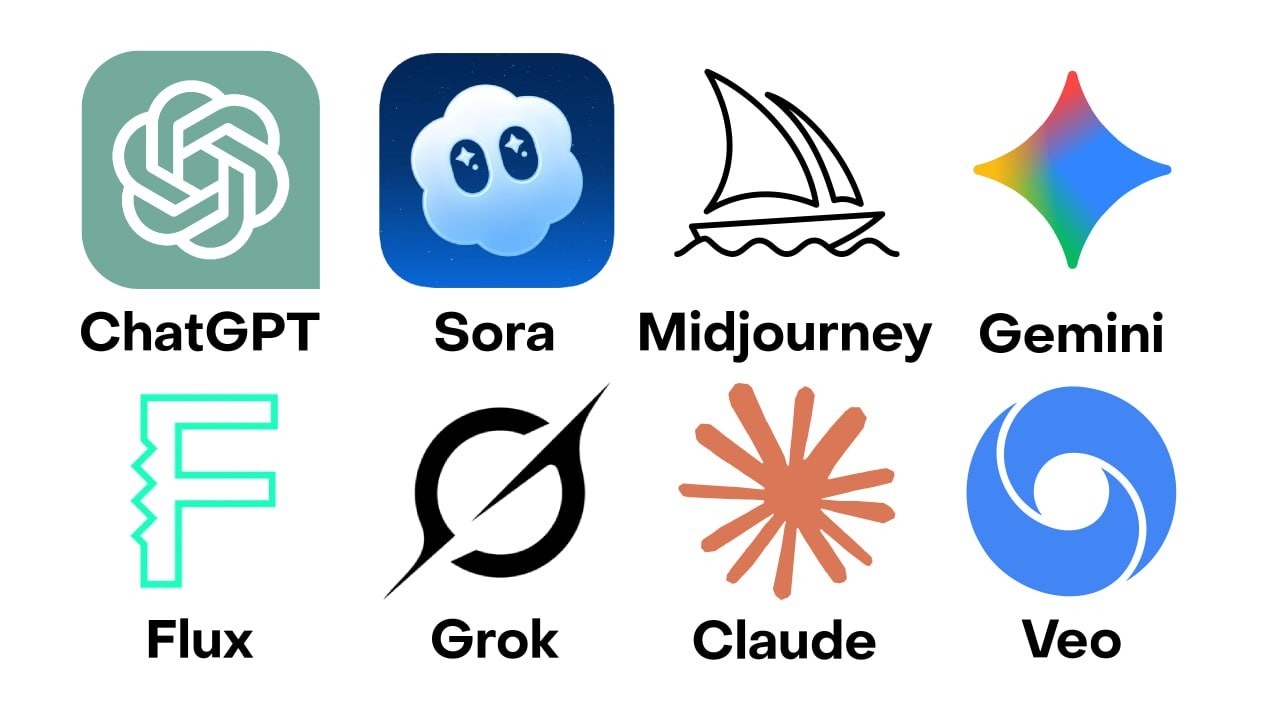
The video provides an introductory overview of the main types of artificial intelligence models available today, focusing on their features, strengths, and ideal use cases. It begins by discussing large language models (LLMs) like ChatGPT, which is praised for its versatility, ease of use, and broad capabilities including text, image, and voice generation, as well as file handling. ChatGPT offers several subscription tiers, each unlocking more advanced models and features, making it suitable for both casual users and professionals who want powerful AI without technical complexity.
Next, the video covers Anthropic’s Claude, another leading LLM known for its superior coding and writing abilities, as well as its integration with productivity tools like Gmail, Notion, and Slack. Claude is highlighted for its work-focused features, such as direct integration with Excel and PowerPoint, and customizable skills that tailor its output. Like ChatGPT, Claude offers multiple subscription plans, with higher tiers providing access to more advanced models and greater usage limits.
Google’s Gemini is introduced as a fast, highly integrated AI model, notable for its ability to process video inputs and its seamless connection with Google’s ecosystem (Gmail, Drive, and superior web search). Gemini is recommended for deep research tasks and offers generous free and paid plans, with advanced features like image and video generation. The video also briefly mentions Grok, Elon Musk’s AI model, which excels at searching and analyzing live Twitter data but lacks the comprehensive features of the other frontier models.
The video then explores open-source AI models, which can be run locally for greater privacy and control. While open-source models like Meta’s Llama, DeepSeek, and Google’s Gemma may not match the performance of hosted frontier models, they are sufficient for most use cases and appeal to technical users who enjoy tinkering. The discussion also covers image and video generation models, such as Google’s Nanobanana, OpenAI’s Sora, and Runway’s Gen 4, as well as world models that simulate interactive environments, though these are still emerging technologies.
Finally, the video highlights specialized AI models for coding (e.g., Cursor, Claude Code, OpenAI’s Codex) and audio (e.g., 11 Labs for voice cloning, OpenAI’s voice mode for conversational AI, and music generation tools). The presenter emphasizes that with the wide range of AI models now available, users can find solutions for creative writing, research, coding, image and video creation, and audio tasks. The video concludes by encouraging viewers to explore these options and provides additional resources for further learning.