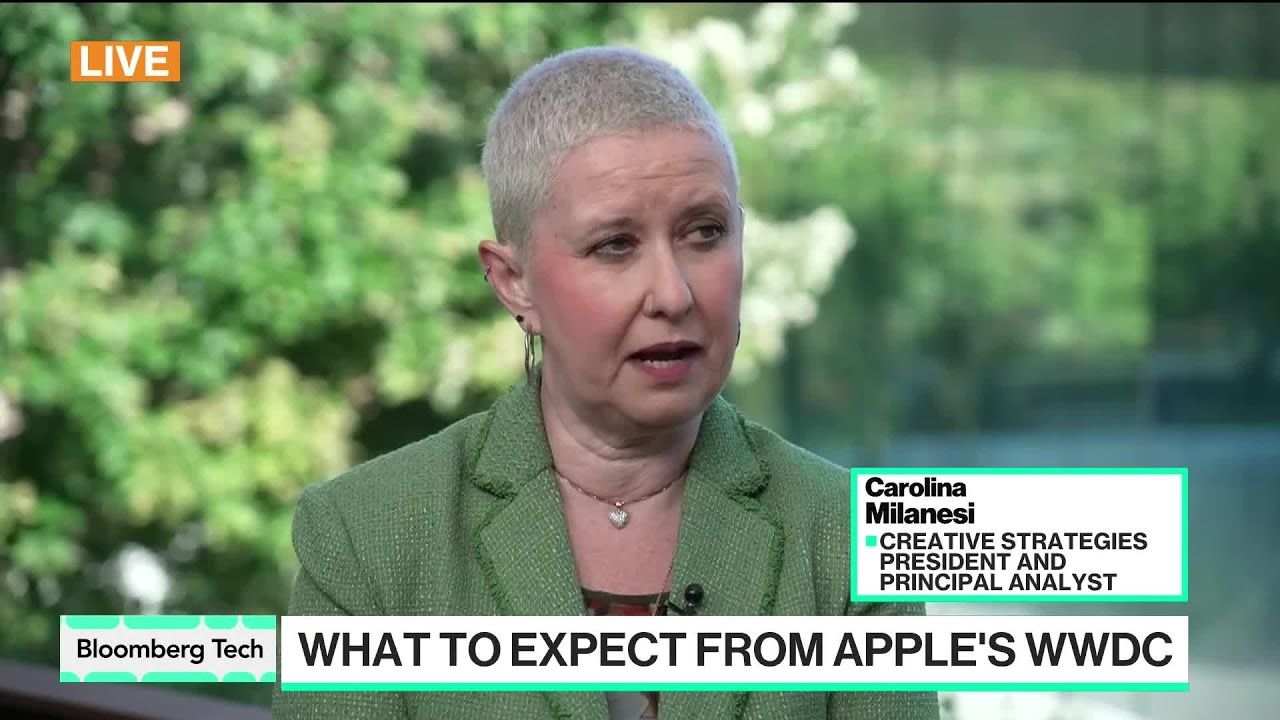
Caroline Milliner, president and principal analyst for Creative Strategies, discusses the anticipated standalone Siri app and its potential impact on iOS users who currently use AI apps like ChatGPT or Claude. She emphasizes that the value Siri offers must be relevant to the consumer, particularly by providing a seamless experience across multiple Apple devices. Apple’s unique ecosystem, where consumers often own several devices, necessitates a consistent Siri experience regardless of the device being used. This device-centric approach differentiates Apple’s AI strategy from competitors like ChatGPT and Claude, which are not as deeply embedded in hardware.
Milliner highlights that Apple’s core business is selling devices, and the integration of Siri across these devices is crucial for customer retention. The ability for Siri to follow users from iOS to macOS and other Apple platforms is a key factor in locking customers into the Apple ecosystem. While the term “lock-in” can raise regulatory concerns, the seamless cross-device experience is ultimately what consumers desire. This integration is seen as the next phase of Siri’s evolution, potentially influencing user loyalty and long-term engagement with Apple products.
Despite the potential, Milliner expresses skepticism about AI acting as a major switching mechanism for users moving between ecosystems like Android and Apple. She notes that consumers tend to remain loyal to their existing platforms, and the differences between AI models are often marginal. The deciding factor will be how effectively Siri is integrated and presented within Apple devices. Apple’s historical focus on mass-market appeal and user-friendly features, such as camera enhancements powered by AI, is expected to continue, prioritizing simple, impactful consumer benefits over complex productivity or enterprise features.
Apple’s stock performance, which is close to surpassing Alphabet as the best-performing major tech stock this year, reflects investor confidence in the company’s AI strategy despite its relatively modest AI spending compared to competitors. Milliner points out that Apple has been perceived as “AI adjacent,” benefiting from its reputation without the need for massive AI investments. However, there is increasing pressure on Apple to ensure that Siri meets or exceeds the capabilities of popular AI chatbots like ChatGPT and Claude, as consumer expectations for AI functionality grow.
Finally, Milliner notes that while consumers are not yet actively seeking AI in stores, they are beginning to form preferences for the AI assistants they use daily. This shift means Apple must deliver a Siri experience that is not only comparable to existing AI solutions but also compelling enough to maintain and grow its user base. The success of Siri’s next phase will depend on Apple’s ability to blend AI seamlessly into its device ecosystem, providing consistent, valuable, and easy-to-use features that resonate with everyday users.