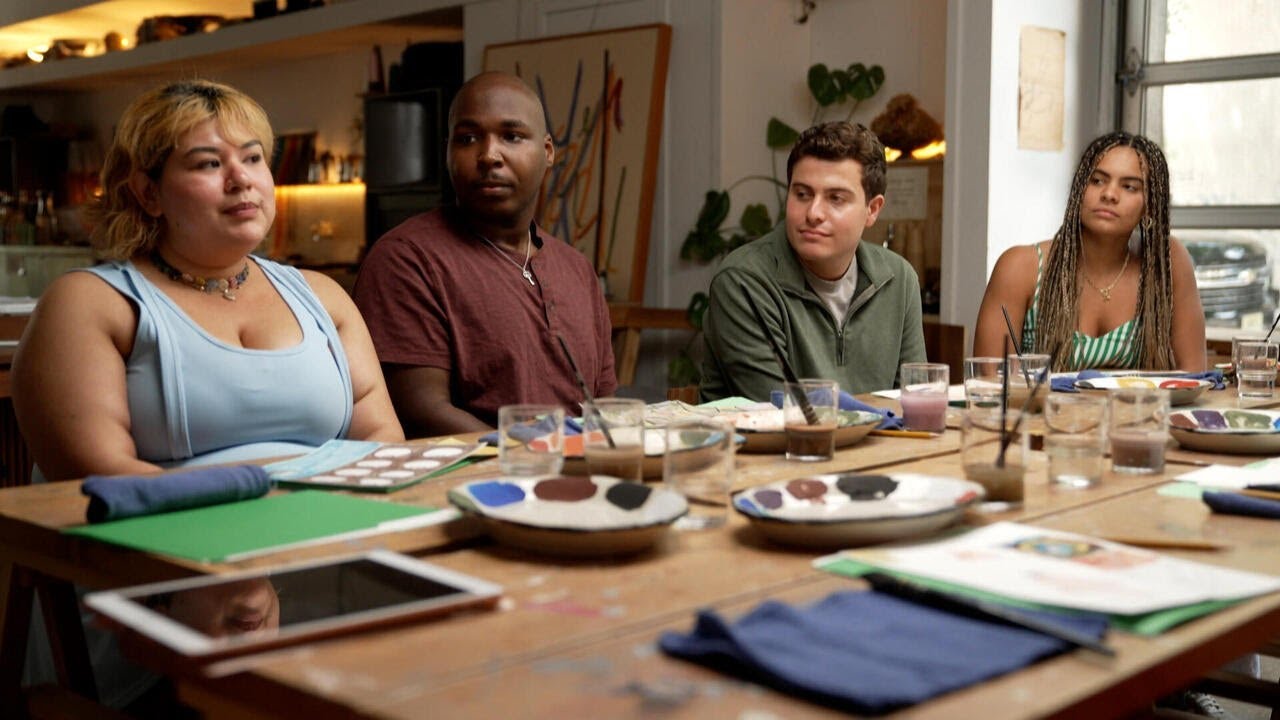
The video features an extended interview with several Gen Z individuals from diverse backgrounds, including students, creatives, and professionals, discussing their experiences and perspectives on various topics such as COVID-19, generational stereotypes, and social dynamics. The participants introduce themselves, highlighting their ages, educational pursuits, and careers, setting the stage for a candid conversation about what it means to be part of Gen Z today.
They gather in an arts café, a setting described as a popular and low-pressure social space for Gen Zers, contrasting with traditional hangouts like bars or parks. This environment allows for meaningful conversations and moments of presence, which participants appreciate as a break from their constant engagement with digital devices. The café symbolizes a shift in social habits, emphasizing slower, more intentional interactions that many in this generation seek.
A significant portion of the discussion addresses the stereotype that Gen Z is lazy. The interviewees collectively reject this notion, citing examples of hard work, accomplishment, and resilience within their peer group. They emphasize that many Gen Zers are highly skilled and entrepreneurial, shaped by unique challenges such as the COVID-19 pandemic, which influenced their socialization and work habits from a young age.
The impact of COVID-19 on social development and education is a recurring theme. Participants reflect on their experiences with remote learning, social isolation, and the mental health challenges that arose during the pandemic. They note how these circumstances have affected their ability to engage in person, with some describing classrooms as unusually silent and interactions as strained. Despite these difficulties, the generation’s resilience and adaptability are highlighted as strengths.
Finally, the conversation touches on broader issues like social anxiety and job security concerns that Gen Z faces in the current economic climate. The interviewees acknowledge the complexities of navigating adulthood amid uncertainty and shifting societal expectations. Overall, the discussion paints a nuanced picture of Gen Z as a hardworking, thoughtful, and adaptable generation confronting unprecedented challenges while redefining social norms and professional aspirations.