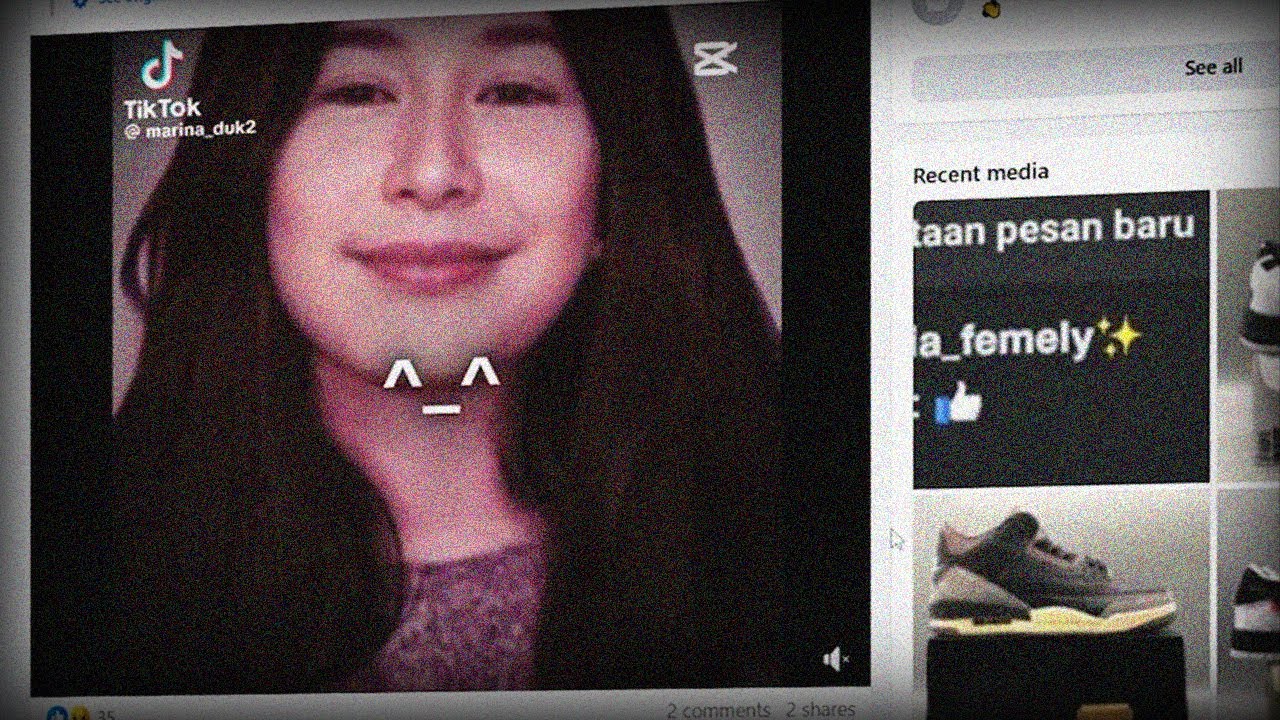
The video explores a deeply disturbing and lesser-known aspect of Facebook, focusing on fake profiles impersonating victims of the tragic 2023 Serbian school shooting. This horrific event claimed the lives of ten individuals, including nine students and a security guard, and injured seven others. The video reveals how numerous Facebook accounts not only impersonate these victims but also interact in unsettling ways, such as changing relationship statuses to link with other victims or even the shooter, Costa Kmanovic. These actions go far beyond typical fan page role-playing, crossing into a realm that is both creepy and profoundly disrespectful to the victims’ families.
These impersonating accounts are part of large, public Facebook groups dedicated to the tragedy, some with thousands of members. These groups often post content that mixes genuine pre-tragedy images and videos of the victims with graphic crime scene footage, creating highly disturbing edits. The main community discussed has over 6,500 members and claims to be a memorial page, but some members actively defend the shooter, portraying him as a victim of bullying. This twisted narrative adds another layer of discomfort to the community’s activities, which include daily posts and videos that often use inappropriate and unsettling content.
The video also highlights the suspicious nature of the community’s main admin, who once conducted a poll asking members to pick their favorite victim, an act described as vile. This admin claims to be a survivor of the shooting, but the authenticity of this claim is questionable given the context. Additionally, many of the accounts involved appear to be operated by young individuals, some possibly children, and many of these accounts are based in Indonesia, far from Serbia, raising questions about the motivations and origins of this online obsession.
Further disturbing content includes reenactments of the tragedy in platforms like Roblox and TikTok accounts that post edits combining happy music with graphic and traumatic footage. One TikTok account, EM4 Lovers, has nearly 40,000 followers and regularly posts such content, while another account focuses on the shooter, using deepfakes to superimpose his face onto celebrities, which is both disrespectful and unsettling. These activities demonstrate a troubling fascination with the tragedy that borders on romanticization rather than respectful remembrance.
Overall, the video paints a grim picture of how social media platforms like Facebook and TikTok can harbor communities that exploit real-life tragedies in deeply inappropriate ways. The impersonation, graphic content, and obsessive behavior surrounding the Serbian school shooting victims highlight significant ethical and moderation challenges for these platforms. The video calls attention to the need for greater awareness and action to prevent such disturbing online phenomena from proliferating and causing further harm to victims’ families and society at large.