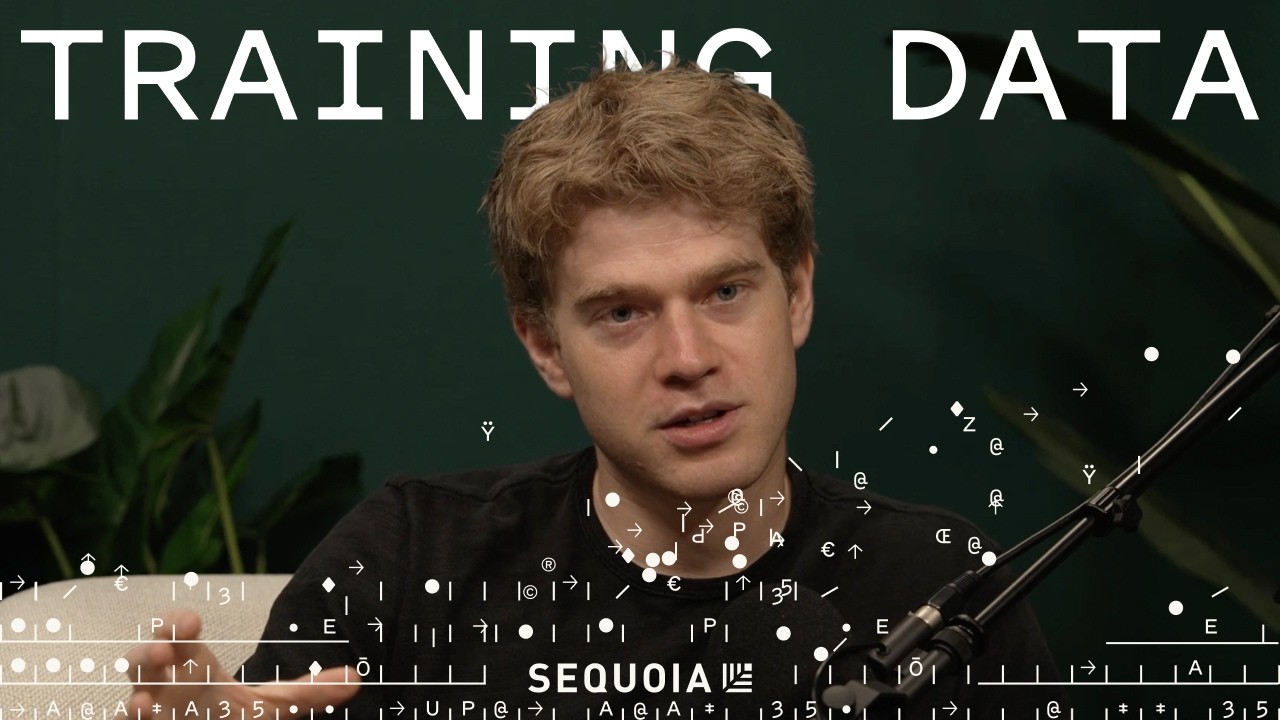
Matan Grinberg, co-founder and CEO of Factory, shares insights into the evolution and future of autonomous software development agents. Factory, founded over three years ago, initially faced challenges as enterprises and developers were not ready for fully autonomous agents. Early on, the company focused on building modular, model-independent solutions to avoid vendor lock-in, a critical concern for enterprises wary of relying on a single AI provider. This approach allowed Factory to offer flexibility by enabling customers to swap models easily and retain ownership of their automations and code artifacts, fostering trust and long-term partnerships.
The journey was tough, with Factory experiencing what Grinberg calls “two years in the desert,” where the vision was ahead of market readiness. Despite early sales success, the product did not meet developer expectations, leading Factory to refund customers proactively to maintain trust. This difficult decision was rooted in the company’s principle of creating “obsessed customers” by delivering outstanding output rather than merely focusing on input metrics like customer obsession. The experience forged a resilient company culture, emphasizing honesty, shared mission, and a commitment to building a product that truly delights users.
A significant turning point came with the launch of the Droid CLI in September 2025, which met developers where they were and offered state-of-the-art, model-agnostic performance. Grinberg highlights that the improvement in developer openness to AI tools and the maturation of models were both crucial to this success. Factory’s harness supports multiple models, allowing it to optimize performance by leveraging the strengths of different AI models rather than being tied to one. This multi-model approach enhances robustness and flexibility, enabling better handling of complex software development tasks.
Factory also addresses the evolving economics of AI usage in enterprises. Initially, organizations focused on maximizing token usage to drive adoption, but the focus is shifting towards cost rationalization and intelligent routing of tasks to the most appropriate and cost-effective models. Factory’s router dynamically allocates tasks across various models, including open-source ones like GLM 5.2, which are becoming increasingly competitive. This model-agnostic routing not only reduces costs but also aligns AI usage with business priorities, enabling enterprises to optimize where and how AI resources are deployed.
Looking ahead, Grinberg envisions a future where software development becomes highly autonomous, akin to a “dark factory” with minimal human intervention, dramatically increasing efficiency and output quality. He foresees a shift from usage-based pricing to outcome-based models, where AI providers compete to deliver validated results. Despite short-term turbulence and workforce adjustments, he remains optimistic that AI will enable engineers to focus on higher-leverage problems, unlocking vast potential for innovation across industries. Factory aims to be the platform that empowers this transformation, helping organizations build better software faster while reallocating human talent to the most impactful challenges.