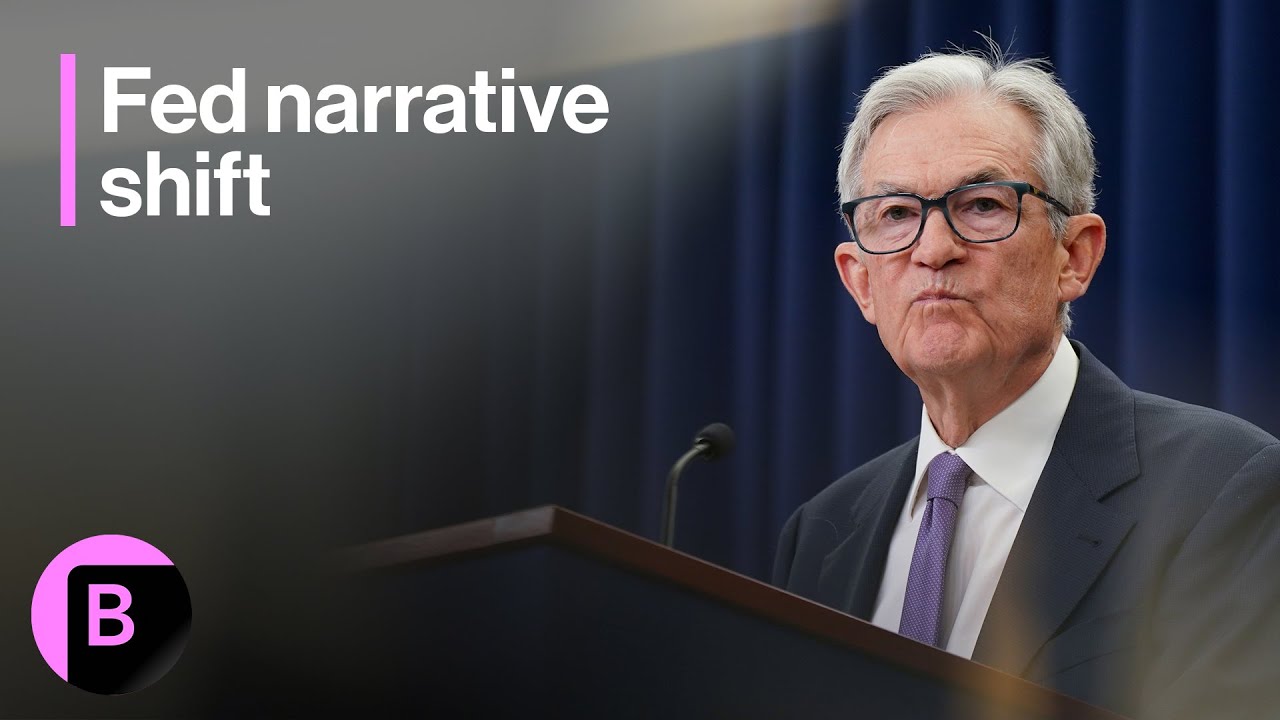
The key takeaway is that NVIDIA’s strong earnings align with the ongoing CapEx-driven tech bubble, which continues to inflate despite short-term market pressures and uncertainty about the bubble’s eventual burst. Meanwhile, the more significant narrative shift comes from the Federal Reserve minutes, signaling skepticism about a December rate cut, with the Fed likely to maintain rates until clear economic slowdown signs emerge, keeping investors cautious but supportive of big tech valuations.
In the discussion, the key takeaway over the last 24 hours is that there hasn’t been a significant shift in the narrative around NVIDIA or other big tech names. NVIDIA’s earnings were expected to be strong, given their position as major beneficiaries of the ongoing massive capital expenditure (CapEx) bubble. The current temporary pullback in stocks is not seen as the bursting of this bubble, which is expected to continue inflating well into 2026. However, the exact timing of when the bubble might burst remains uncertain.
Short-term pressures persist on retail favorites, momentum stocks, and some adjacent sectors, particularly those influenced by developments in the crypto space. Despite NVIDIA’s strong earnings, this dynamic hasn’t fundamentally changed. The broader narrative remains that the bubble is still inflating, and while some investors may wonder if now is the time to buy the dip, there is caution about jumping in immediately. The more significant narrative shift came from the Federal Reserve minutes, which have led to increased skepticism about a potential Fed rate cut in December.
Regarding the possibility of the Fed not cutting rates in December, the view expressed is that it is not necessarily a problem. The Fed is unlikely to cut rates unless there is a clear need, and currently, the U.S. economy is not showing signs of a sharp downturn that would require preemptive easing. While funding pressures are a concern, they are not seen as a decisive factor that would force an immediate rate cut. Therefore, the absence of a December cut might weigh on asset prices in the short term but is not expected to cause major disruption.
The discussion also touches on the relationship between Fed policy and tech stock valuations. While easier Fed policy can act as a positive driver by “greasing the wheels” for investments and fiscal spending, it is not the dominant factor behind the current rally. The ongoing CapEx bubble and the inflation stage of massive spending are more significant themes benefiting big tech names like NVIDIA. The expectation is that the bubble itself is the primary force driving valuations rather than just monetary policy.
Finally, the broader economic context includes the anticipation that the Fed will eventually need to cut rates aggressively if the economy slows significantly. However, until such a slowdown becomes evident, the Fed is unlikely to act preemptively. This cautious stance contributes to the current market dynamics, where investors remain wary of frothy stocks but recognize the strong underlying trends supporting big tech and CapEx-driven sectors. The narrative remains one of a growing bubble with some short-term volatility but no immediate signs of collapse.