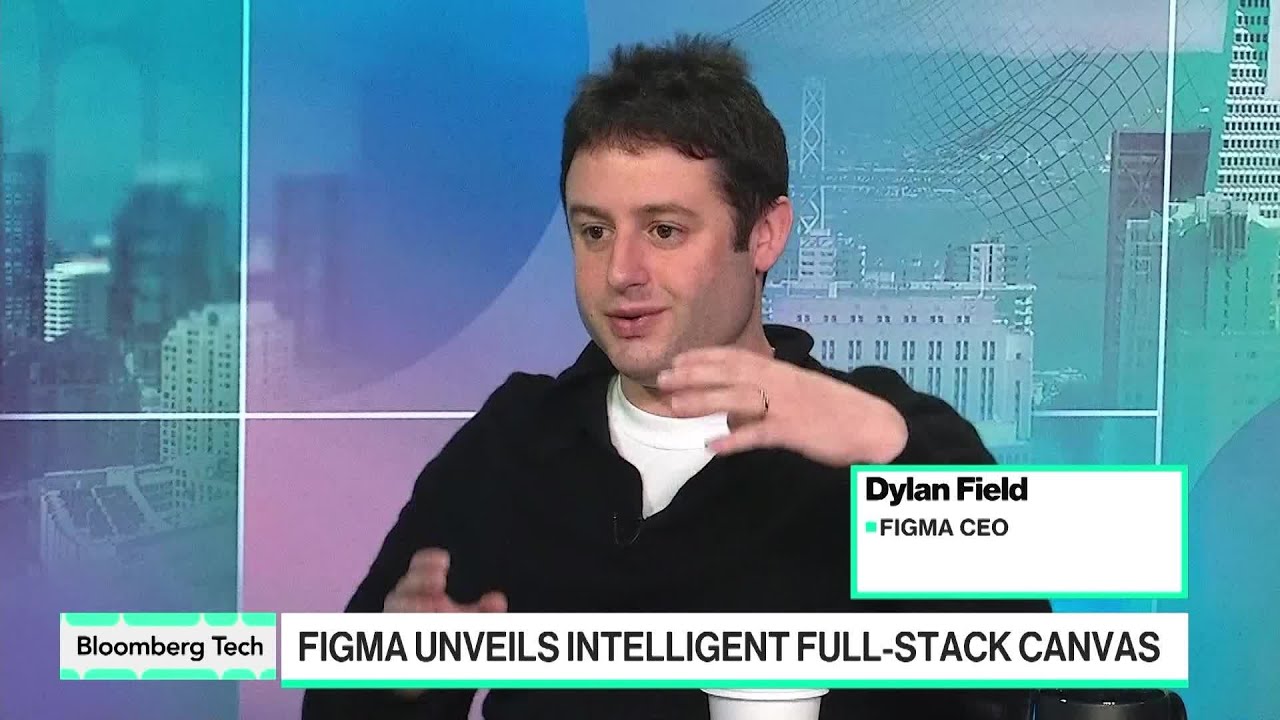
Figma has unveiled a major platform overhaul designed for the AI era, transforming its workspace into an intelligent canvas that supports full-stack digital creation. This new platform enables teams to build animations, integrate AI agents, and write native code all within a single environment. The goal is to empower designers, product designers, developers, and their collaborators to do more in one place, streamlining the creative and development process.
A key technological breakthrough in this update is the introduction of code layers on the canvas, allowing users to represent and interact with live code alongside traditional design elements like vectors and images. Additionally, Figma has integrated generative AI capabilities through plugins that enable reusable workflows and advanced generative effects such as shaders for sophisticated graphics work. The launch of Figma Motion, a tool for creating animations, has been particularly well-received by the community.
The motivation behind these innovations stems from the limitations of AI models trained on average data, which often produce generic outputs. Figma’s CEO emphasized that while AI can enhance efficiency, human creativity and unique perspectives remain essential for standing out in a crowded market. Designers bring the boldness and point of view necessary to differentiate brands, products, and marketing efforts in an increasingly noisy attention economy amplified by AI-generated content.
From a technical standpoint, Figma’s approach is modular and model-agnostic, allowing the platform to swap AI models as needed to best serve users. The coding layer can automatically convert designs into interactive code, with future possibilities including prototyping and even production-level coding within Figma. This shift reflects a broader trend where the value in software creation is moving up the stack to design, positioning designers as key creators of software tokens and revenue.
Addressing user questions, Figma is also focusing on brand integration and digital asset workflows. The platform aims to serve as a system of record for brand assets, design systems, and AI-driven workflows, enabling seamless integration with other applications. Collaborations with platforms like Weave allow users to compose AI models and workflows that maintain human craftsmanship while producing high-quality outputs, which can be accessed via APIs and integrated into various systems, enhancing the overall creative and production pipeline.