Certainly! Here’s a five-paragraph summary of the video transcript:
The video introduces Foundation One, a new free and open-source AI model for music production. Unlike many previous tools, Foundation One can generate musically coherent stems—such as synths, bass, strings, and more—that fit together in terms of tempo, key, and bar count. This allows users to mix and master these stems manually to create full songs. The model is optimized for speed and efficiency, running quickly even on consumer GPUs with as little as 8GB of VRAM, and can be used offline without limitations.
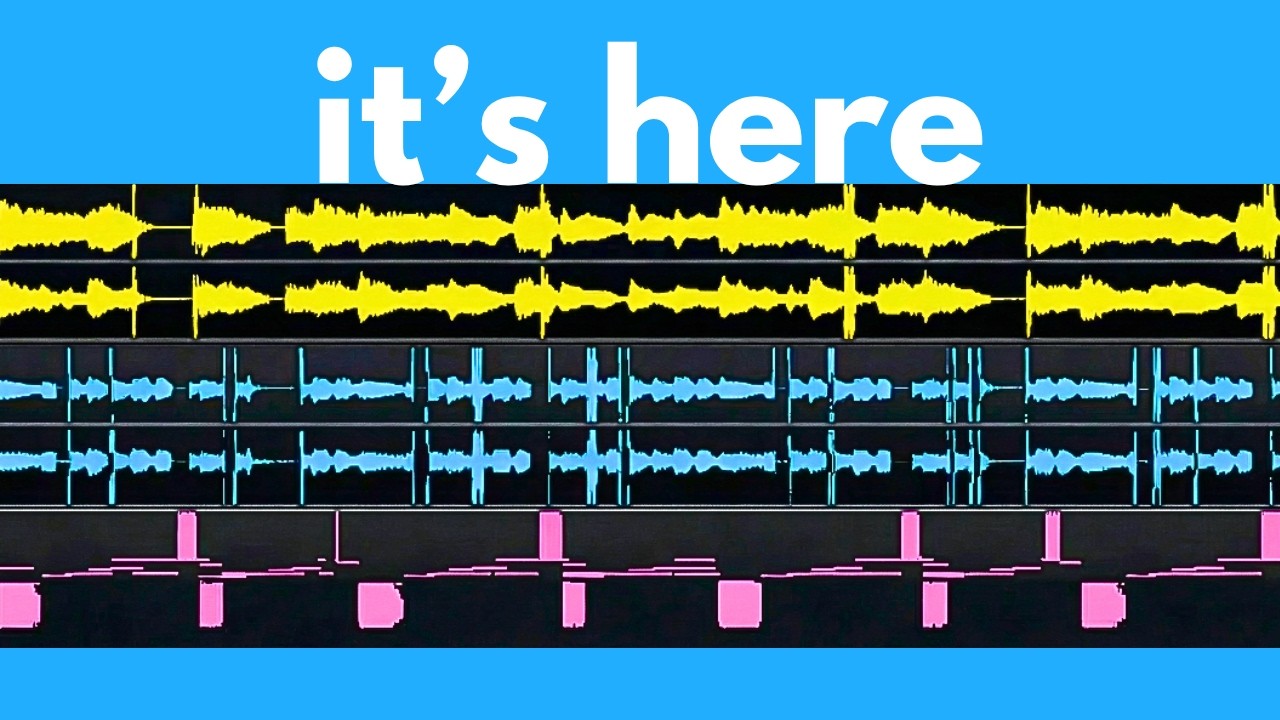
The presenter demonstrates Foundation One’s capabilities by generating various musical samples using detailed text prompts. The AI understands not only instrument types but also musical attributes like effects (reverb, delay, distortion), timbre (warm, gritty, smooth), and notation (arpeggio, melody, chord progression). Several examples are played, including synth leads, basslines, flutes, trumpets, and strings, showcasing the model’s strengths—especially with synths and arpeggios. The presenter then layers multiple AI-generated tracks in a digital audio workstation (DAW), showing how they align perfectly in key and tempo, and even demonstrates the ability to export MIDI files for further editing.
A key feature highlighted is the flexibility of Foundation One’s prompt system, which allows users to specify detailed musical characteristics and effects. The model supports a wide range of instruments, particularly excelling at synths, keys, and electronic sounds, but also offering options for strings, brass, mallets, and more. The presenter provides guidance on how to structure prompts for best results and notes the model’s current BPM limitations. The AI’s ability to generate both audio and MIDI files makes it a powerful tool for producers who want to customize or further process their music.
The video also includes a step-by-step installation tutorial, guiding viewers through setting up the necessary software (Git, Miniconda, Python 3.10) and downloading the Foundation One model and interface. The process is designed to be accessible for users with basic technical skills, and the presenter emphasizes the importance of using virtual environments to avoid software conflicts. Once installed, users can access a simple web interface to generate music, tweak generation parameters, and experiment with features like style transfer, which allows users to upload a reference audio clip and apply its style or effects to new generations.
In conclusion, Foundation One is presented as a significant advancement in AI music production, offering speed, flexibility, and high-quality results for electronic and synth-based music. While it excels with certain instruments and musical structures, the presenter notes that realism for acoustic instruments is still limited in this first version. The video encourages viewers to explore Foundation One alongside other AI music tools, and to stay updated with ongoing developments in AI music technology through the presenter’s channel and newsletter.