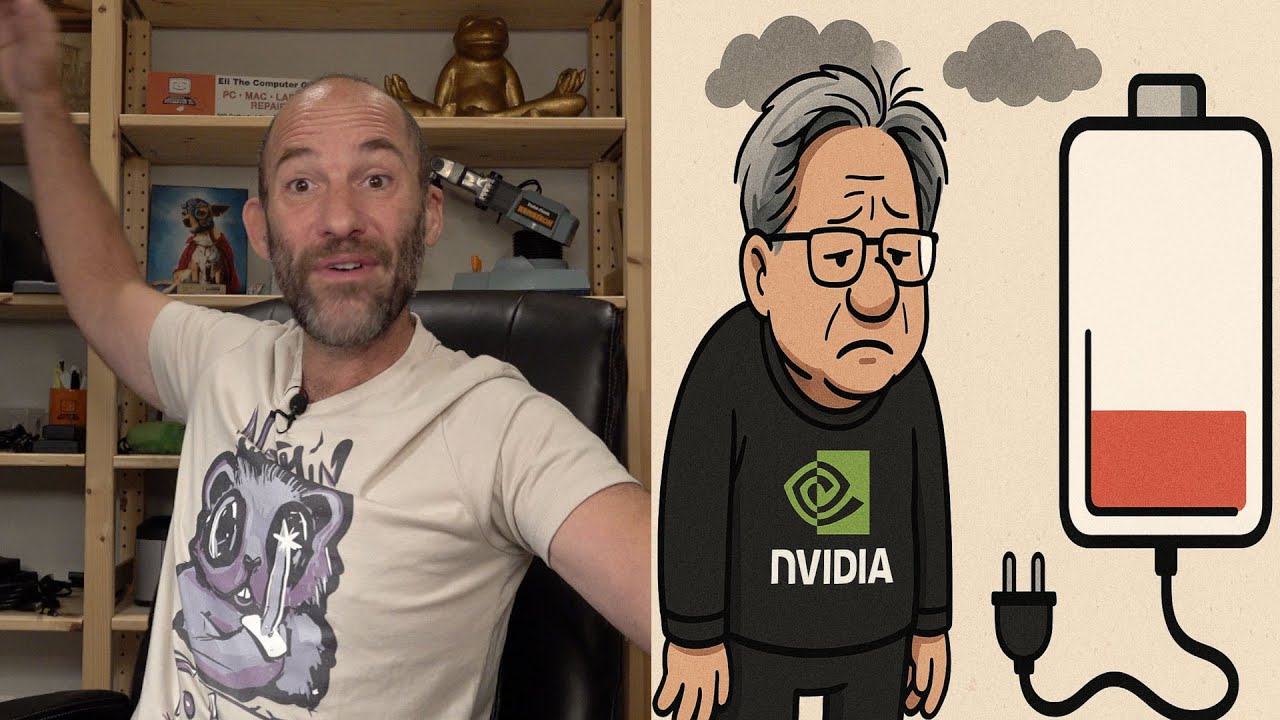
Eli, the computer guy, explains that the rapid growth of AI technology in the U.S. is being hampered by an outdated and insufficient electricity grid, causing many AI data centers to remain idle despite heavy investments in GPUs and hardware. He warns that without significant upgrades to the power infrastructure, the AI boom may stall, leading to increased costs and challenges in maintaining the momentum of AI development.
In this video, Eli, the computer guy, discusses the current challenges facing the AI boom in the United States, particularly focusing on the lack of infrastructure to support the rapid growth in AI technology. He highlights that while many companies are investing heavily in GPUs and data centers, the foundational infrastructure, especially the electricity grid, is not keeping pace. This disconnect is causing significant issues, such as completed data centers sitting idle because they cannot be powered due to insufficient electricity supply.
Eli points out that Microsoft CEO Satya Nadella revealed the company has more GPUs than they can actually deploy because they lack enough servers and facilities to house them. This situation is not unique to Microsoft; other tech giants like Meta, Google, AWS, and Apple are also stockpiling GPUs without the capacity to use them effectively. This stockpiling reflects a broader problem where the hype and valuations around AI hardware are outstripping the practical ability to deploy and utilize this technology.
A major bottleneck is the aging and inadequate electricity grid in the United States, which has been struggling for over two decades. Eli recalls efforts during the early 2000s to create a national electricity grid to improve resilience and energy distribution, but these plans were derailed. Now, with AI data centers requiring massive amounts of power—comparable to millions of homes—the existing grid cannot support the demand. For example, two large data centers in Santa Clara, California, designed to consume nearly 100 megawatts of power, remain empty because the local grid cannot supply enough electricity.
The video also discusses how this issue is not isolated to Silicon Valley. Northern Virginia, the largest data center market in the U.S., faces multi-year delays in connecting new data centers to the power grid due to infrastructure limitations. Other regions like the Pacific Northwest and the Southeast report similar wait times. These delays highlight a critical gap between the rapid expansion of AI infrastructure and the slow pace of upgrading the power grid, which could hinder the U.S.'s ability to compete in the global AI race.
Eli concludes by emphasizing that while there is a lot of excitement and investment in AI technology, the fundamental infrastructure problems must be addressed first. Without reliable electricity, even the most advanced data centers and GPUs are useless. He warns that this disconnect could lead to increased electricity costs for regular consumers and questions the sustainability of the current AI gold rush mentality. Eli encourages viewers to think critically about these issues and invites them to support his hands-on technology education efforts through Silicon Dojo.