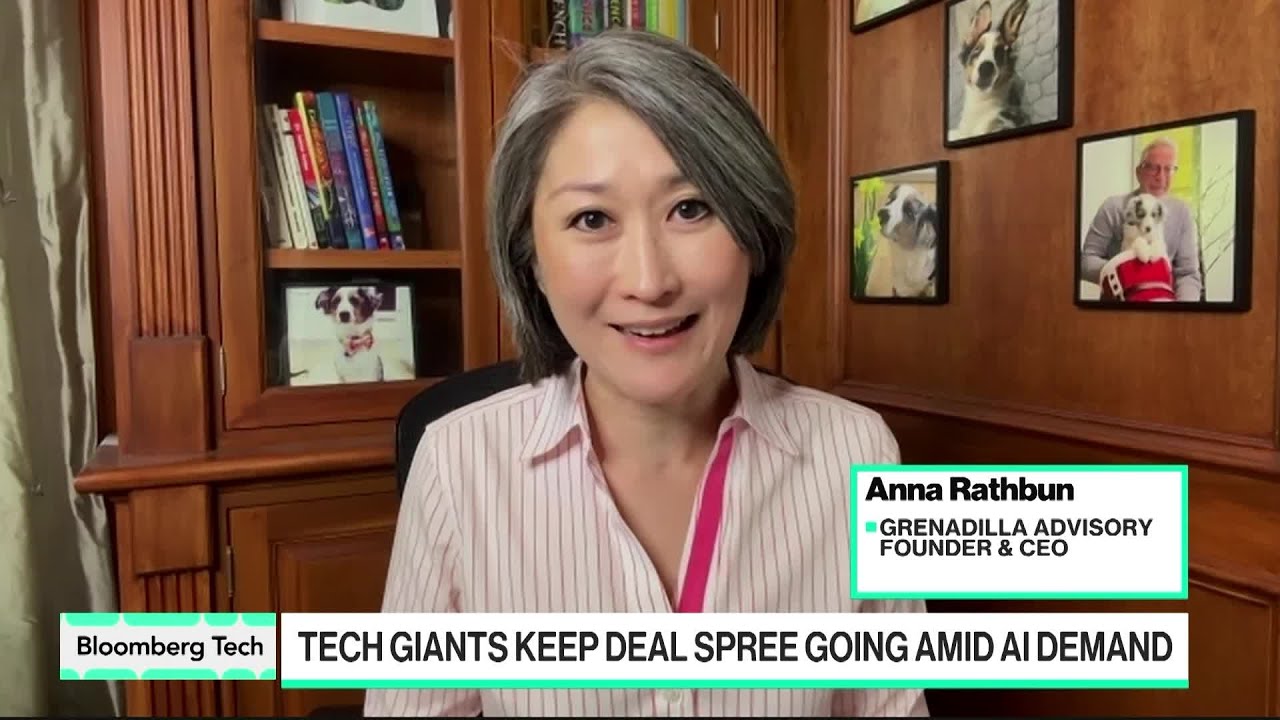
In the discussion about AI investing and financing strategies, the speaker highlights the prudence of companies tapping into debt markets or relying on their own cash flow. Maintaining cash on hand is seen as a powerful tool, allowing firms flexibility in managing their assets. Borrowing from debt markets can provide additional leeway for future investments without exhausting available cash, which is considered a smart approach in balancing growth and financial stability.
The conversation then shifts to more creative financing methods, such as private credit deals, which are becoming increasingly popular. The private credit market is actively seeking opportunities to deploy capital, with data centers emerging as a particularly attractive investment area. The demand for data center capacity, driven by companies like Microsoft, is exceptionally high and difficult to meet, suggesting that investments in this sector will continue to grow. While off-balance-sheet financing can be risky if not transparent, in this case, it is well-known and factored into company valuations.
Meta’s recent capital expenditure and financing strategies are examined as an example of the broader market dynamics. Although Meta faced criticism for its rapid spending outpacing revenue growth, the debt issued was well-received by debt investors, even if equity investors were less enthusiastic. The market is experiencing a sense of FOMO (fear of missing out), with many players willing to invest heavily now to avoid being left behind, given the strong ongoing demand for AI-related infrastructure and technology.
Regarding investment sentiment, the speaker acknowledges that valuations in the AI space are currently very high compared to historical norms, which can be nerve-racking and subject to short-term volatility. However, for long-term investors, the fundamental value of data center build-outs and AI advancements remains compelling. Few companies in the S&P 500 have the expertise, vision, and financial capacity to lead in AI, making public market investments in these leaders a necessary choice for those wanting exposure to AI growth.
Finally, the geopolitical context is addressed, particularly the recent interactions between the U.S. and China. The so-called one-year truce following the Xi-Trump meeting is viewed as somewhat misleading, with ongoing negotiations and competitive pressures expected to continue. Discussions around international governance of AI and national security concerns indicate that tensions will likely intensify as we approach 2026, adding complexity to the investment landscape in AI and related technologies.