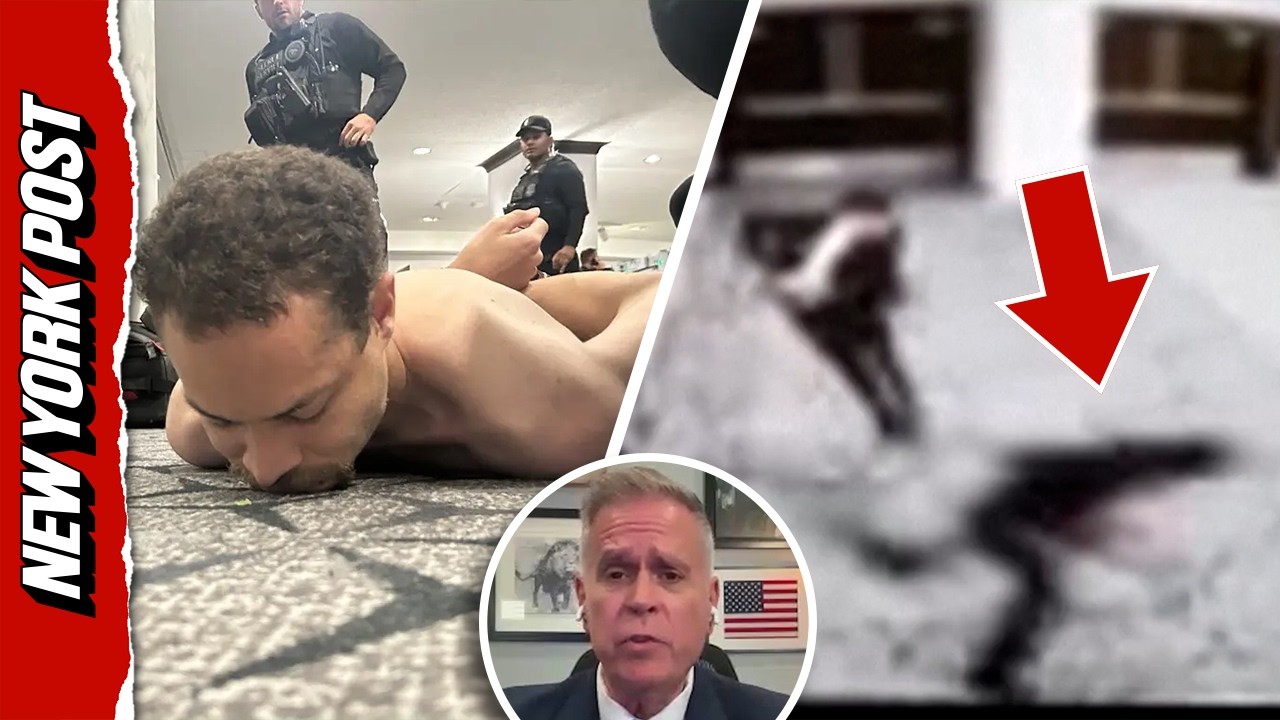
Former Secret Service agent Timothy Miller highlighted significant security failures during the recent White House Correspondents Dinner assassination attempt, citing inadequate advance planning and insufficient perimeter security that allowed the gunman to bring multiple weapons close to high-profile officials. While praising the agents’ swift response, Miller stressed the need for enhanced protective measures, including expanded security perimeters, ballistic protections, and congressional support to adapt to increasingly sophisticated threats in a “shooting war” environment.
The recent assassination attempt during the White House Correspondents Dinner has exposed significant security failures, despite the heroic response of the Secret Service agents on the scene. Cole Thomas Allen managed to bring multiple weapons, including a shotgun, handgun, and knives, into the venue where President Trump, his cabinet, and top Congress members were present. This breach has raised serious concerns about the planning and execution of security measures at such high-profile events.
Timothy Miller, a former Secret Service and Homeland Security agent, emphasized that over 90% of successful Secret Service operations depend on meticulous advance planning. In this case, the failure to secure the entire hotel, especially the lobby and access routes to the ballroom, allowed the gunman to pre-stage weapons and approach a checkpoint unexpectedly. Miller highlighted that the Secret Service should have expanded security perimeters and hardened checkpoints to prevent such close proximity of threats to protected individuals.
Miller described the current environment as a “shooting war,” a stark departure from past eras where such direct attacks were less common. He stressed that the Secret Service must now operate as if protecting leaders in a combat zone, requiring rapid adaptation and enhanced protective measures. This includes potentially integrating more highly trained special operations personnel and implementing ballistic protections at checkpoints to counter increasingly sophisticated threats.
The former agent also pointed out that threat-based intelligence has never been higher, and the Secret Service actively works to prevent attacks like the one that occurred. However, the failure in this instance suggests a need for a comprehensive reevaluation of protective strategies. Miller called on Congress to intervene and support a reimagining of how protective operations are conducted, acknowledging the evolving nature of threats against U.S. leadership.
Despite the security lapses, Miller praised the Secret Service agents for their immediate and effective response in neutralizing the threat and safeguarding those inside the ballroom. He reiterated that the White House itself remains one of the safest places, but the broader mission requires owning and securing the entire environment surrounding protected events. Ultimately, the incident underscores the urgent need for the Secret Service to evolve and win consistently in this new era of heightened danger.