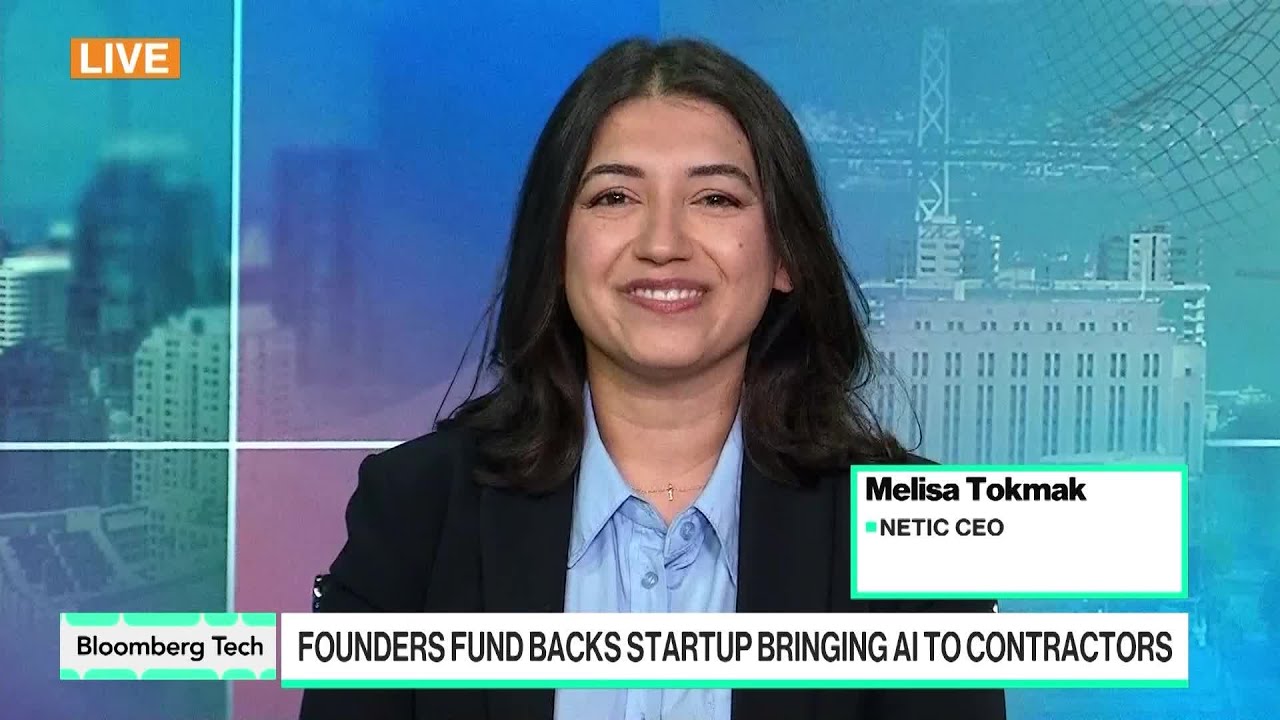
The video discusses an AI startup backed by Founders Fund that aims to enhance efficiency and revenue for skilled tradespeople like plumbers and roofers by providing tailored AI tools suited to their complex workflows and labor challenges. It highlights the significant labor shortage in these industries, the underserved market potential, and the importance of integrating AI to support essential skilled trades amid growing infrastructure demands.
The video features a discussion about an AI startup focused on supporting contractors and skilled tradespeople such as plumbers, roofers, electricians, and HVAC professionals. The startup aims to bring advanced AI technology to industries that form the backbone of the American economy, particularly those on Main Street. Unlike many Silicon Valley startups that primarily target developers or tech-centric businesses, this company is dedicated to helping traditional service industries increase their revenue and efficiency through AI tools.
One of the key challenges highlighted is that existing enterprise software solutions are often not well-suited for small and medium-sized enterprises (SMEs) in these trades. These industries have complex workflows and face issues like seasonality and volatility, which require deep integration and understanding of their specific needs. For example, the process of installing a heat pump, as mentioned in the conversation, can be complicated and delayed, illustrating the difficulties contractors and customers face without tailored solutions.
The discussion also touches on the broader labor shortage in skilled trades, which is a significant concern for the growth of industries such as data center construction and energy infrastructure. As demand for energy and technological infrastructure increases, there is a pressing need for more trained mechanical engineers, electricians, plumbers, and other skilled laborers. This shortage underscores the importance of encouraging young people to enter these fields, especially as AI and automation begin to replace more routine jobs in other sectors.
Regarding market potential, the startup sees a large total addressable market but acknowledges that this sector has been relatively underserved by tech companies. The mission-driven approach of the startup focuses on integrating closely with large enterprises and private equity firms to understand and address the needs of these industries. While the company initially targets mid-market and larger enterprises that can afford to invest in AI tools for growth, there is recognition that smaller contractors also face capacity and labor challenges that technology can help alleviate.
Finally, the conversation references Jensen Huang, CEO of NVIDIA, who has emphasized the critical need for skilled labor in the U.S. to support technological and infrastructure growth. Although the startup founder has not met Huang personally, she resonates with his message about the importance of skilled trades and the role AI can play in supporting these jobs. The discussion concludes with the perspective that while AI may displace some jobs, skilled trades are likely to remain essential and irreplaceable for the foreseeable future, making this an important area for innovation and investment.