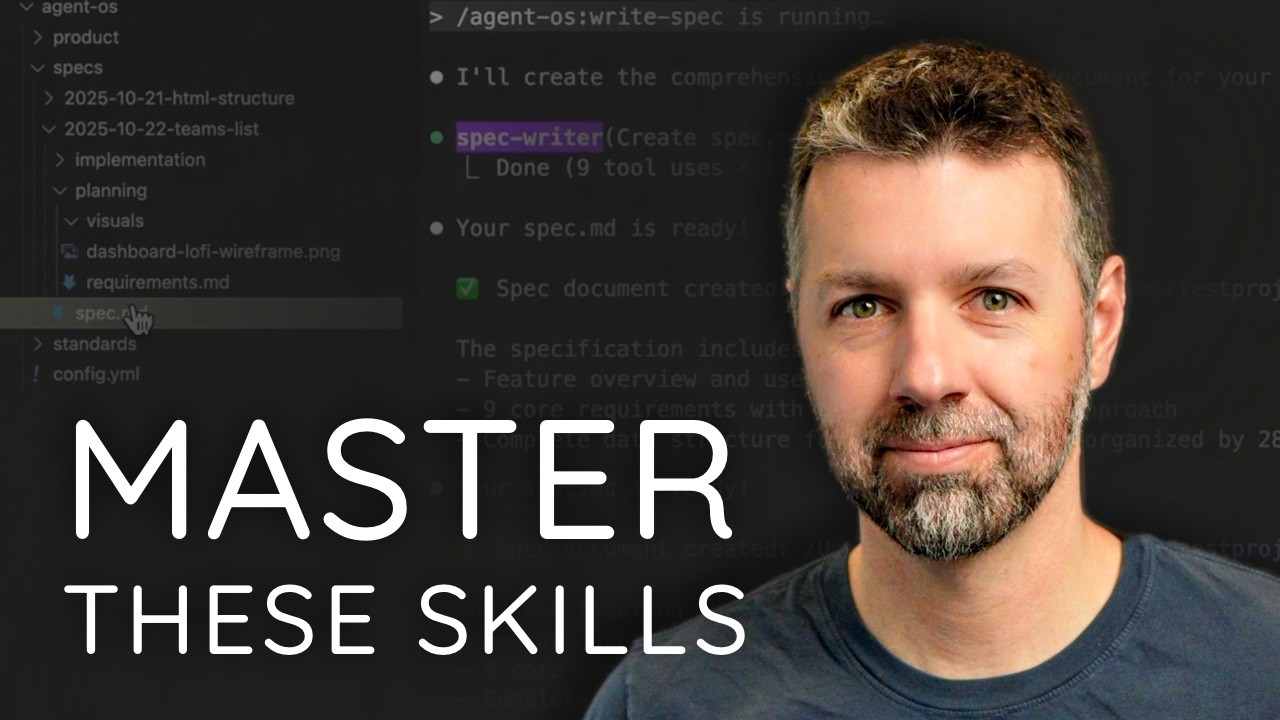
In this video, Brian Castle addresses builders who have been skeptical or hesitant about embracing AI in coding. He acknowledges the rapid pace of AI tool development over the past few years, which can make it feel like others have already figured out how to leverage AI while some remain on the sidelines. However, he reassures viewers that skepticism was healthy and that the real challenge now is how to integrate years of experience, unique tastes, and product insights into an AI-first development approach. The key is adapting from traditional coding to managing AI agents that execute product visions.
Brian provides a timeline of AI coding evolution, starting around 2022-23 with tools like GitHub Copilot that offered AI-assisted code completion. Early experiences were mixed, with AI often missing the mark and causing friction. By 2024, tools like Cursor and Windsurf introduced agent modes capable of writing entire features from prompts, sparking excitement but also skepticism due to the lack of robustness in many AI-generated demos. Despite frustrations with workflow inefficiencies, the underlying AI capabilities were rapidly improving, shifting the role of developers from code writers to architects and managers of AI agents.
The video highlights five critical skills that full stack developers can leverage to gain an unfair advantage in this new AI-driven era. First and foremost is product management—understanding what features to build and why, which AI cannot determine. This skill allows builders to create meaningful products rather than random code. Second is spec-driven development, where creating clear, detailed specifications becomes essential. Brian emphasizes the importance of using AI agents to help refine these specs through interactive questioning, ensuring the AI builds the right solution efficiently.
Third, architectural expertise remains invaluable. While AI can implement any pattern, it cannot decide which technical approach best fits the project’s goals and constraints. Experienced builders can avoid costly mistakes by guiding AI with informed decisions on system design. Fourth is context engineering, a new skill focused on effectively communicating with AI agents by managing their context and structuring instructions clearly. This skill is crucial for maximizing AI productivity and minimizing misunderstandings or errors in code generation.
Finally, Brian discusses workflow orchestration, which involves developing intuition about which AI tools to use and when, understanding their strengths and limitations, and adapting quickly to new developments. This mindset shift enables builders to direct change proactively rather than react passively. He encourages viewers to stay engaged, leverage their experience, and join communities like Builder Methods to continue learning and building effectively with AI. The video closes with an invitation to subscribe, join the newsletter, and participate in workshops to stay ahead in this evolving landscape.