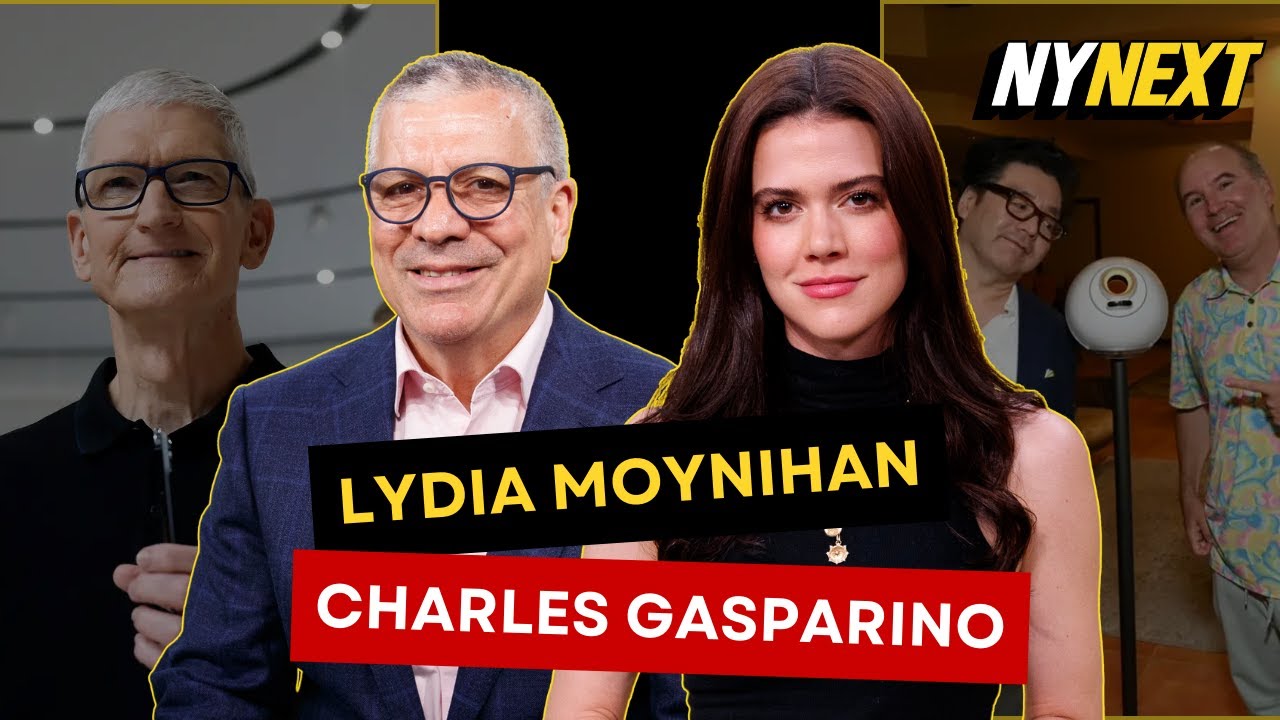
In the NYNext Reporter Roundtable, Lydia Moahan discusses emerging technologies like Apple’s live-translation AirPods and the controversial WorldCoin project, highlighting both their innovative potential and privacy concerns amid the rise of AI bots. She also critiques Cracker Barrel’s stalled renovation and DEI struggles, and reflects on Bill Py’s contentious yet impactful role in exposing mortgage fraud within the FHFA.
In this segment of the NYNext Reporter Roundtable, Lydia Moahan, a financial correspondent for the New York Post, discusses some of the latest technological and business developments shaping the future. She highlights Apple’s new AirPods with live translation capabilities, which allow users to communicate seamlessly across languages in real time. Lydia reflects on her own regrets about not learning a foreign language and sees this technology as a practical solution for overcoming language barriers, especially when traveling or interacting with relatives abroad.
The conversation then shifts to WorldCoin, a controversial project co-founded by Sam Altman and others, aiming to create a global database of every human by scanning irises and linking the data to a cryptocurrency. Lydia expresses concerns about privacy and surveillance, noting the project’s goal to scan 100 million irises and the promise of $50 worth of WorldCoin for participants. The stated purpose is to distinguish humans from AI bots in an increasingly digital world, which could have significant implications for advertising and online interactions, though the privacy trade-offs remain unsettling.
Lydia also touches on the broader societal implications of such technologies, including the rise of AI bots that can mimic humans convincingly, complicating online authenticity. She humorously mentions the potential for AI deception on dating apps and the importance for advertisers to verify real human engagement. Despite the unease, she acknowledges that younger generations are already accustomed to sharing biometric data, suggesting a growing acceptance of these privacy compromises in exchange for convenience or financial incentives.
The discussion moves to business news, where Lydia names Cracker Barrel as a “loser” due to its halted $700 million renovation plan and ongoing struggles with diversity, equity, and inclusion (DEI) initiatives. She critiques the company’s intense focus on ESG (environmental, social, and governance) metrics and intersectionality, implying that these efforts have not translated into positive business outcomes. This segment underscores the challenges some traditional companies face in adapting to modern social expectations while maintaining profitability.
Finally, Lydia identifies Bill Py as both a “loser” and a potential “winner.” She describes him as an annoying figure within the administration but acknowledges his role in exposing alleged mortgage fraud cases. Lydia suggests that if Py can tone down his media presence and work more collaboratively, he might achieve meaningful results at the Federal Housing Finance Agency (FHFA). The conversation ends on a note about the complexities of personalities in politics and business, highlighting how individual behavior can impact professional effectiveness.