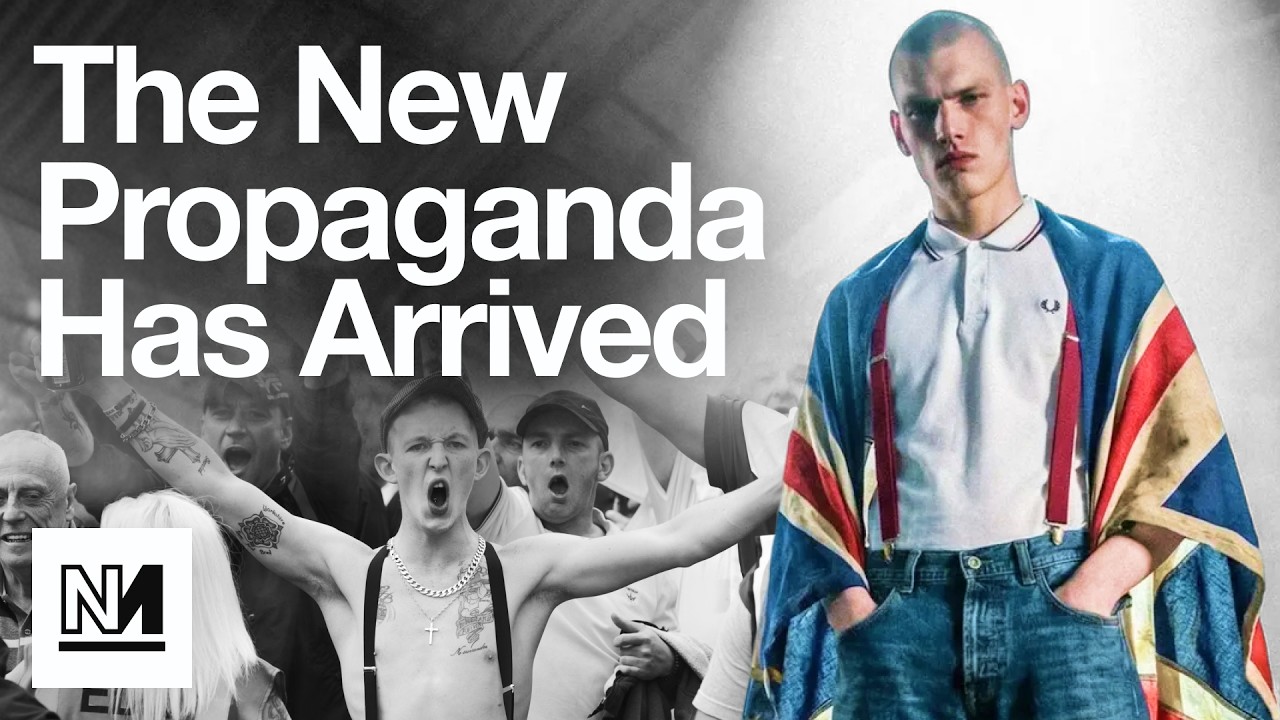
The video discusses the controversy surrounding “Danny Bones,” an AI-generated right-wing rapper, and the investigation into the people and organizations behind him. Danny Bones, created by a group called the Node Project, has gained significant attention online for his music and videos, which feature nationalist and anti-immigration themes. Media outlets like Novara Media and the Bureau of Investigative Journalism have published articles exposing the connections between Danny Bones, the Node Project, and far-right British political groups, particularly Advance UK. In response, Danny Bones and his creators have accused these journalists of activism and censorship, especially after their content was removed from platforms like TikTok.
The Node Project, the creative agency behind Danny Bones, has produced content for Advance UK, a far-right political party. Although the Node Project claims to be an independent group of creatives with no formal ties to any political party, evidence shows they were commissioned to create videos for Advance UK, including a now-deleted promotional video. The Node Project denies any accusations of Islamophobia or ongoing political affiliations, insisting their work for Advance UK was limited to freelance commissions. However, their content, especially around the Gorton and Denton by-election, has been criticized for promoting divisive and Islamophobic rhetoric.
The video highlights how AI-generated content like Danny Bones blurs the lines between reality and fiction, making it harder for audiences to distinguish between genuine and artificial political messaging. The creators’ use of hyperreal visuals and catchy, if low-quality, music has proven effective in spreading their message, garnering millions of views and streams. Despite the obvious artificiality of some of the content, its impact is significant, as it taps into existing grievances and amplifies far-right talking points. The ease with which such content can be produced and disseminated raises concerns about the future of political discourse.
The investigation also explores the broader risks posed by AI-generated political content. The rapid proliferation of divisive, AI-created media makes it easier for extremist messages to reach large audiences and potentially influence elections. Platforms like TikTok, YouTube, and Spotify have responded in various ways—removing content, adding AI labels, or reviewing songs for rule violations—but there is little consistency or regulation. The video suggests that current laws and platform policies are insufficient to address the challenges posed by AI in politics, especially as the technology becomes more sophisticated and accessible.
Finally, the video calls attention to the need for greater scrutiny and regulation of AI-generated political content. While the UK Electoral Commission has encouraged critical thinking among voters, it has not provided concrete plans for addressing the issue. The video’s commentators argue that both legal reforms and stricter platform moderation may be necessary to prevent the spread of harmful, divisive rhetoric. They emphasize the importance of balancing free expression with the need to protect democratic processes from manipulation by AI-driven propaganda.