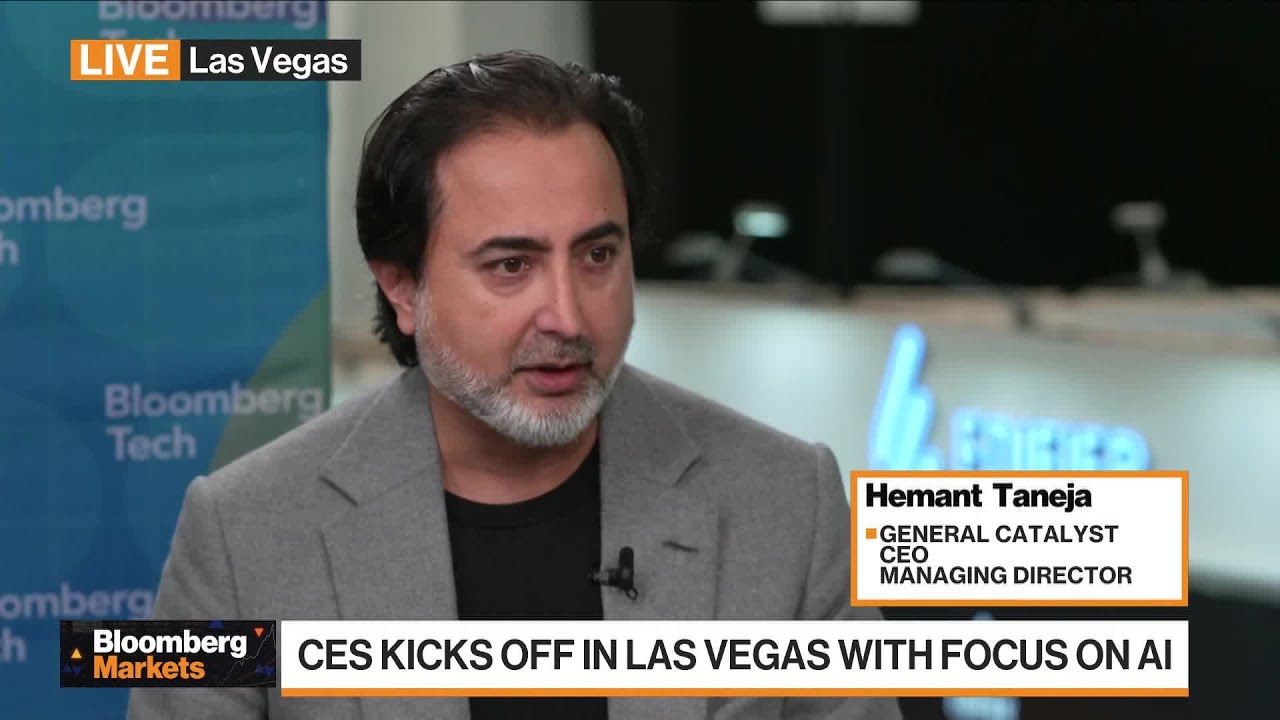
The CEO of General Catalyst discusses the current landscape of AI-driven venture capital, highlighting how consumer adoption is beginning to accelerate as AI models become more sophisticated. He notes that while the last decade saw few groundbreaking consumer companies, there is now a resurgence of innovation as founders explore how AI can improve everyday experiences. The conversation draws parallels to the mobile and social media booms of 15 years ago, suggesting that a new wave of AI-native consumer brands is on the horizon, particularly in sectors like travel and personal finance.
Valuations in the AI sector are described as complex and nuanced. The CEO explains that significant funding is flowing into large research projects, where valuations are difficult to pin down due to the uncertain path from research to viable business. For companies with clear use cases, valuations may seem high, but rapid growth often justifies these numbers. He emphasizes that the real challenge is not just pricing based on current revenue, but assessing whether these companies will remain durable as AI models evolve and potentially absorb their functions.
Durability and long-term value are key concerns for investors. The CEO cites examples like Anthropic, praising its capital efficiency, robust models, and the practical use cases it has developed. He also mentions companies like Coda, which are transforming engineering departments by automating code writing, representing a significant shift in how products are built and the resources required. These developments, he argues, are enabling a true transformation in the tech industry.
The discussion turns to the question of whether successful AI companies should go public sooner, allowing broader access to their growth. The CEO believes that while some companies are large and mature enough to consider an IPO within 12 to 18 months, the decision depends on achieving predictable growth in a rapidly changing market. He reflects on past investments that exceeded expectations, noting the difficulty of forecasting growth trajectories in such a dynamic environment.
Finally, the conversation addresses the regulatory landscape, particularly in areas like prediction markets. The CEO acknowledges the need for regulation to ensure responsible information transfer, but warns against stifling innovation. He points out that the current administration has supported venture capital investment in AI and related sectors, which has driven much of recent GDP growth. Looking ahead, he advocates for continued investment in energy, workforce transformation, and the thoughtful application and diffusion of AI technologies.