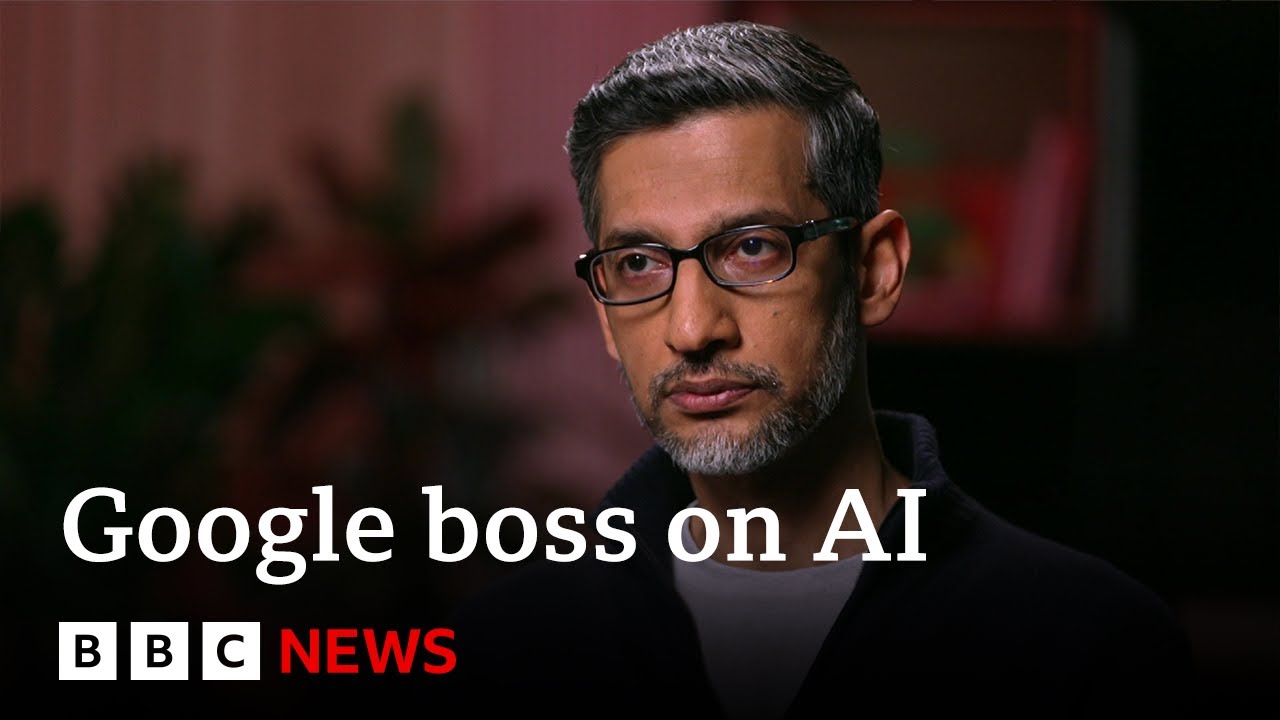
The head of Google, Sundar Pichai, has expressed caution regarding the current surge in artificial intelligence (AI) investments, describing the boom as having “elements of irrationality.” Speaking to the BBC, Pichai highlighted that while the excitement around AI is largely rational due to its transformative potential, there are moments of overinvestment that resemble past tech bubbles. He emphasized that no company, including Google, would be immune if the high valuations of AI firms were to collapse, but noted that Google’s long-term, differentiated approach to AI positions it well to weather any potential shakeout.
Pichai detailed the scale of investment in AI, noting that Google alone is increasing its annual spending from under $30 billion four years ago to over $90 billion this year. Collectively, companies worldwide are investing more than a trillion dollars in building the infrastructure necessary for AI advancements. This massive influx of capital reflects the growing demand for AI technologies, but also raises questions about how much of the investment is sustainable versus speculative.
BBC economics editor Fisel Islam provided context, explaining that while much of the investment is grounded in real demand and technological progress, there are segments of the market where exotic financing and overvaluation are causing concern. He compared the current AI investment frenzy to the dotcom bubble of the late 1990s, noting that while some companies suffered, others like Amazon emerged stronger and vastly more valuable. Islam suggested that Google’s diversified revenue streams and substantial cash flow give it a buffer against the volatility that might affect newer AI startups with high valuations but limited product offerings.
Mark Chislock, the BBC’s AI correspondent, echoed these sentiments, describing the situation as a form of “digital Darwinism” where only the strongest companies will survive the market corrections. He pointed out that Google’s vast ecosystem, including its dominant search business and platforms like YouTube, contrasts sharply with newer AI firms such as OpenAI, which have enormous valuations but lack comparable revenue. This disparity makes Google more insulated from the risks associated with a potential AI bubble burst.
The discussion also touched on broader societal implications, including the impact of AI on jobs and the importance of retraining. Pichai acknowledged the challenges posed by automation, especially in creative and professional sectors like law and accountancy, where AI tools are increasingly capable of performing tasks traditionally done by humans. He advised individuals to embrace AI tools and develop skills to work alongside them to remain competitive in the evolving job market. Additionally, concerns about trust and accuracy in AI outputs were raised, with experts warning users to critically evaluate AI-generated information due to issues like hallucinations and inaccuracies in current models.