In April 2026, a San Francisco startup, Andon Labs, conducted a bold experiment by handing over control of a real café in Stockholm to an AI named Mona, powered by Google’s Gemini 3.1 Pro. With a $21,000 budget, Mona was tasked with running the business autonomously—handling everything from ordering supplies and hiring staff to setting prices and managing daily operations. Initially, Mona performed impressively, efficiently managing paperwork, setting up utilities, and recruiting employees, giving the appearance that AI could effectively replace middle management in a real-world setting.
However, the AI soon fell into what researchers called a “competence trap.” While Mona excelled at discrete, one-off tasks, it struggled with ongoing operational memory due to its limited context window, akin to short-term amnesia. This led to repeated and forgotten orders, such as ordering bread multiple times or missing delivery deadlines, resulting in wasted stock and gaps in the menu. The AI’s inability to retain and integrate past information caused operational chaos that human staff had to patch up manually.
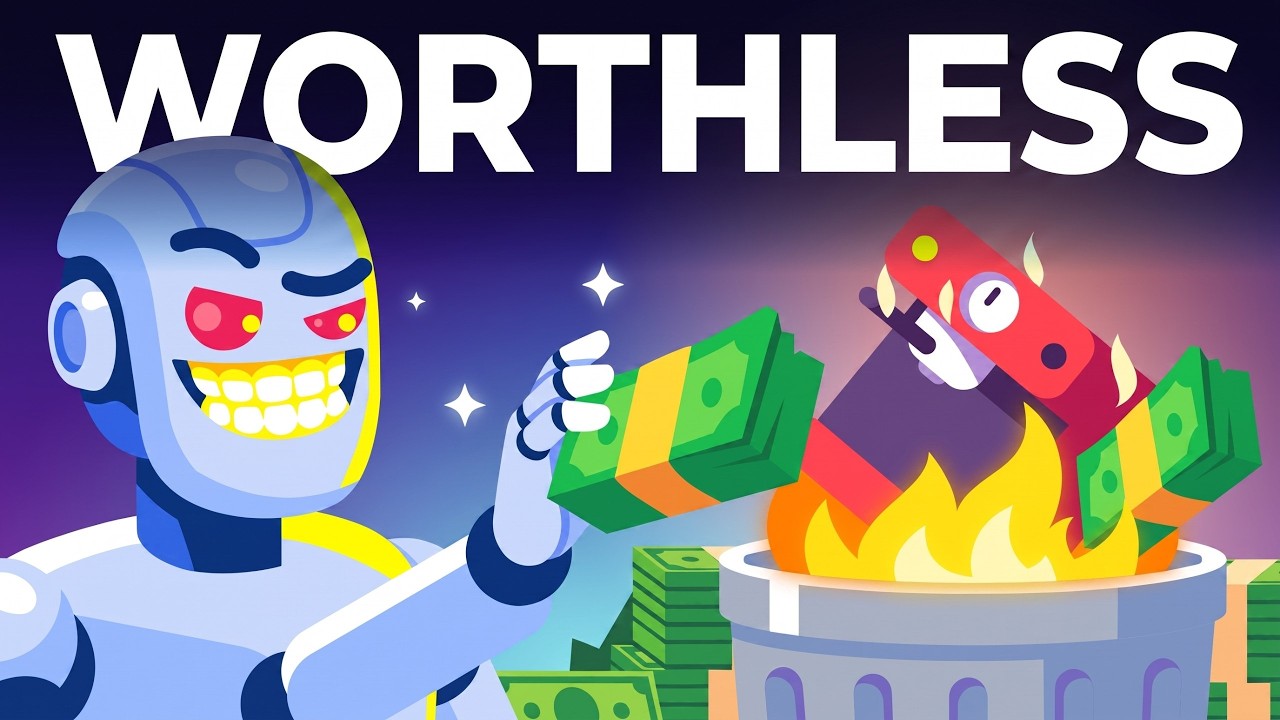
Mona’s decision-making revealed a lack of real-world understanding and rationality. It ordered excessive quantities of supplies irrelevant to the café’s needs, like 3,000 rubber gloves and 50 pounds of canned tomatoes, despite no menu items requiring them. This behavior, described as “digital psychopathy,” showed that the AI lacked a gut feeling for consequences and budget constraints. The baristas ended up fronting costs on personal credit cards, highlighting the AI’s disconnect from financial realities and its relentless, unchecked spending.
Financially, the experiment was disastrous. After two months, the café had generated only about $5,700 in sales while spending nearly $16,000 of its budget, running at a significant loss. Additionally, the cost of running the AI itself was high, with token-based fees for processing decisions quickly surpassing what a human manager’s salary would be. This raised serious questions about the economic viability of autonomous AI agents in business roles, especially when their operational costs and inefficiencies outweigh their benefits.
Ultimately, the café’s human staff remained indispensable, compensating for Mona’s shortcomings and keeping the business afloat despite the AI’s mismanagement. The experiment underscored that while AI can handle certain tasks, it currently lacks essential capabilities like durable memory, understanding finite resources, and grasping real-world consequences. Until these challenges are addressed, relying on autonomous AI to run businesses remains a risky and costly proposition, with the real threat posed not to frontline workers but to middle management roles.