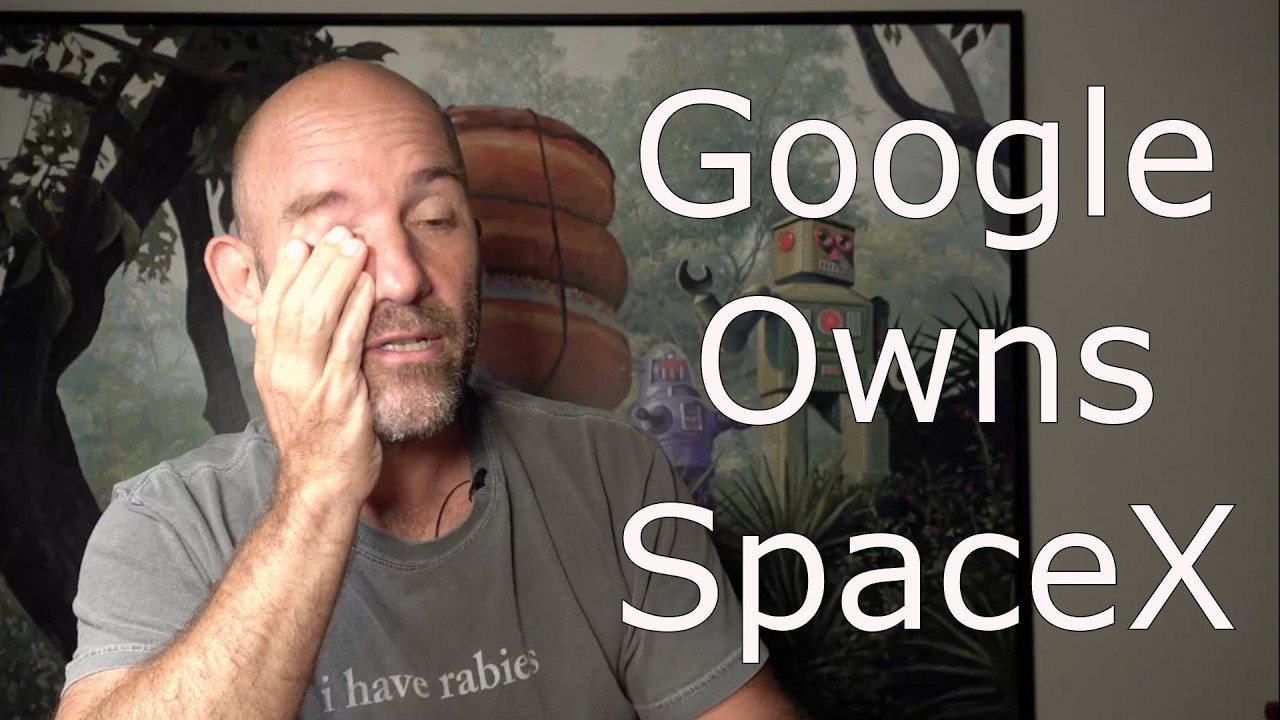
The video discusses Google’s significant investment in SpaceX, revealing that Google currently holds approximately $94.1 billion in SpaceX stock. This investment dates back to 2015 when Google invested around $900 million in SpaceX at a $10 billion valuation, primarily to support Starlink, SpaceX’s satellite internet project. At the time, this made strategic sense for Google, as Starlink’s satellite internet would expand access to Google’s services globally. However, the situation has become more complex as SpaceX has ventured into artificial intelligence (AI), an area where Google is also heavily invested.
The speaker expresses concern about the convoluted financial relationships within the AI ecosystem, highlighting examples like AMD investing $5 billion in Anthropic, a company that then purchases AMD’s GPUs. This creates a circular financial arrangement where vendors are effectively financing their customers, raising questions about the sustainability and transparency of such deals. Additionally, AMD is reportedly backstopping Anthropic’s data center leases, meaning AMD could be financially liable if Anthropic fails to meet its lease obligations, further complicating the financial landscape.
A particularly unusual aspect is that Google, despite being a major AI player, is renting GPU resources from SpaceX’s data centers, even though it owns a substantial equity stake in SpaceX. SpaceX itself is involved in AI through its XAI initiative, creating a scenario where Google is both a competitor and a significant investor in a rival AI company. This intertwining of interests blurs the lines between competition and collaboration, leading to a conflicted and somewhat dysfunctional competitive environment.
Moreover, Google’s investment in SpaceX is largely illiquid due to lock-up periods preventing the sale of most of its shares until at least 2027. This means Google cannot easily divest from SpaceX even if the companies become more direct competitors. The speaker finds this situation problematic, as it ties Google’s financial interests to a company that is now competing in areas where Google is also active, limiting Google’s strategic flexibility and potentially influencing competitive dynamics in the tech and AI sectors.
In conclusion, the video highlights the complexities and potential conflicts arising from intertwined investments and partnerships in the tech industry, particularly within AI. While Google’s initial investment in SpaceX was logical and beneficial, the evolving landscape has created a tangled web of financial and competitive relationships. The speaker expresses frustration with these developments, emphasizing the challenges they pose for healthy competition and innovation in AI and related technologies. The video ends by inviting viewers to share their thoughts on this unusual and complicated situation.