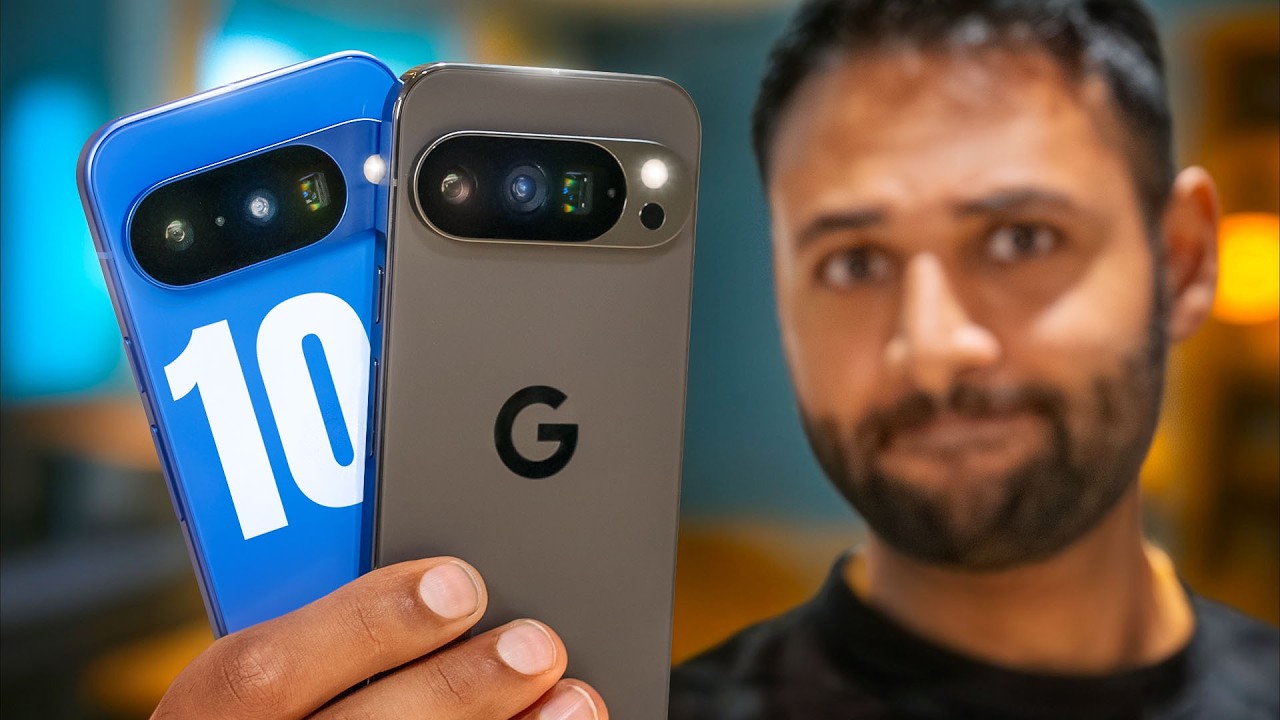
The new Google Pixel 10 lineup includes four devices ranging from the $799 Pixel 10 to the $1799 Pixel 10 Pro Fold. Google is doubling down on what makes the Pixel unique, introducing several new software features that feel innovative, such as Camera Coach, which uses AI to guide users in taking better photos by suggesting poses, expressions, and camera settings. Another notable feature is Magic Q, which proactively surfaces relevant information during calls or messages, like flight details or restaurant reservations, aiming to make the phone experience more intuitive and efficient.
Hardware improvements across the Pixel 10 series include larger batteries around 5,000 mAh, better speakers, brighter screens, and the introduction of G2 wireless charging with strong magnetic connections similar to Apple’s MagSafe. The Pixel 10 Pro XL stands out with the fastest wireless charging standard available. The phones maintain a classy, flagship feel with some interesting color options, though the design remains similar to last year’s models. Google’s zoom capabilities have also been enhanced, with the Pro models offering up to 100x zoom using AI, producing surprisingly crisp images.
Despite these advancements, some software features feel unfinished or unreliable. Voice Translate, designed for real-time language translation during calls, performed poorly in tests, often misunderstanding phrases and causing communication issues. Other features like Magic Q are promising but currently limited in scope. Google’s approach of releasing features in early or beta stages, with regional restrictions and ongoing updates, can make the Pixel experience feel incomplete. Additionally, camera software issues persist, such as poor edge detection in portrait mode, which detracts from the overall quality.
Performance remains a significant concern. The new Tensor G5 chip offers about a 34% improvement over last year’s model but still lags behind competitors using Snapdragon chips, especially in graphics performance. Storage options are also disappointing, with the Pixel 10 Pro starting at 128GB, which is considered insufficient for a flagship device in 2024. The Pixel 10 Pro Fold, while gaining IP68 water resistance, falls short in design and camera quality compared to other foldables on the market, making it less competitive despite its premium price.
Overall, the Pixel 10 series feels like a solid but safe upgrade with some exciting software innovations that may appeal to certain users, especially those who value AI-driven features. However, the hardware and performance shortcomings, combined with unfinished software elements, mean the phones struggle to justify their high price tags fully. Google’s strategy of relying heavily on software updates to improve the experience over time may not satisfy users looking for a polished, out-of-the-box flagship device.