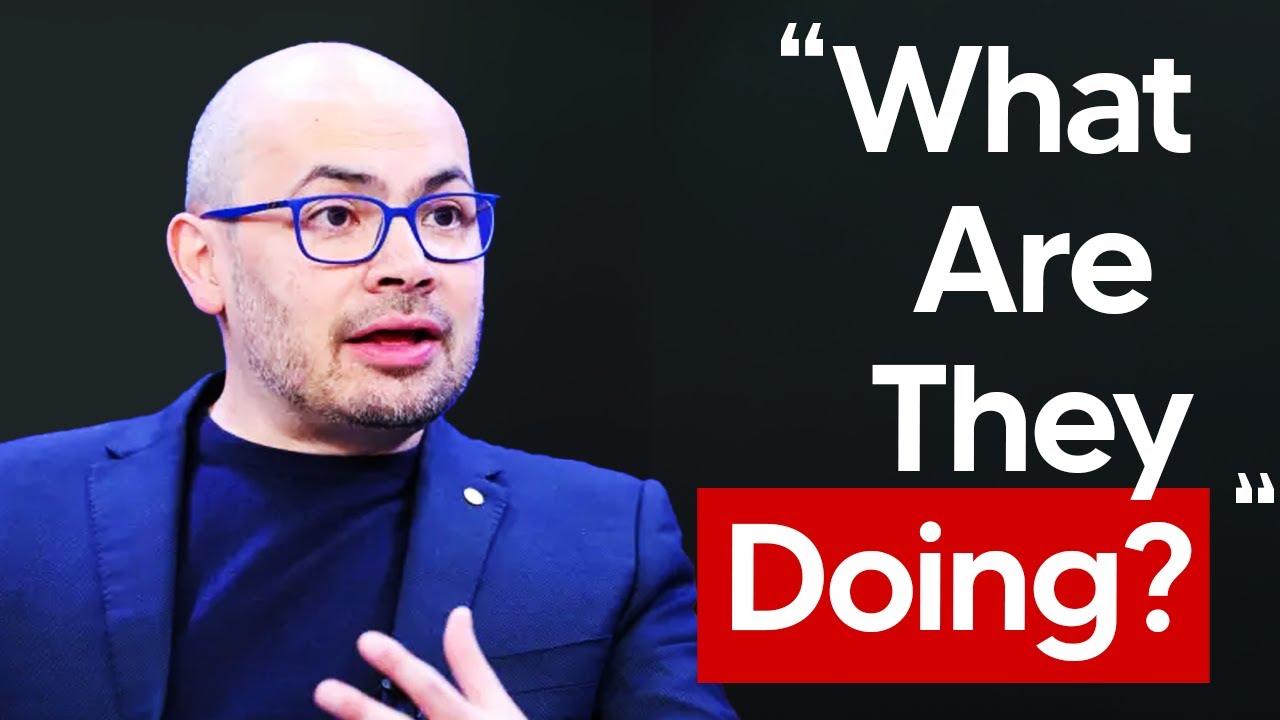
The video discusses Google DeepMind CEO Demis Hassabis’s criticism of OpenAI’s decision to introduce ads in ChatGPT, arguing that this move contradicts OpenAI’s claims about the imminence of AGI and raises concerns about user privacy and financial motives. The host suggests that Google’s ad-free approach with Gemini gives it an advantage, while OpenAI risks losing user trust and market share by prioritizing ad revenue.
In the video, the host discusses recent comments made by Demis Hassabis, CEO of Google DeepMind, regarding OpenAI’s decision to introduce ads into their ChatGPT product. On the Big Technology podcast, Demis questioned why OpenAI would need to monetize through ads if artificial general intelligence (AGI) was truly imminent, as the company has previously claimed. He implied that the move to ads suggests AGI is not as close as OpenAI asserts, since a breakthrough of that magnitude would likely render such monetization strategies unnecessary.
The host elaborates on the significance of this critique, noting that Google, with its own Gemini AI, has no current plans to introduce ads into its core AI product. Demis Hassabis emphasized that any decision regarding ads must be handled with extreme care, especially considering user privacy concerns. The host contrasts Google’s approach with OpenAI’s, suggesting that Google’s restraint and focus on a clean user experience gives it an advantage in the AI race.
The video also revisits past statements by Sam Altman, CEO of OpenAI, who previously described ads as a “last resort” for the company’s business model. Altman had stated that he preferred a paid subscription model, as it ensured that users were not the product and that answers were not influenced by advertisers. The host points out the apparent contradiction between these earlier statements and OpenAI’s current move to integrate ads, raising questions about the company’s financial health and strategic direction.
Concerns about user privacy and data usage are a recurring theme in the video. The host expresses skepticism about OpenAI’s assurances that ads will not influence ChatGPT’s answers and that user data will remain private. Drawing parallels to Meta’s highly profitable and data-driven ad business, the host warns that the temptation to leverage user data for advertising revenue may be too strong for OpenAI to resist, especially if the company is under financial pressure.
Finally, the video explores the potential impact of ads on ChatGPT’s user base. Some users have already expressed dissatisfaction and threatened to leave the platform, while others question how ads will be targeted and whether their personal data will be used against them. The host concludes that OpenAI must prioritize a seamless user experience to retain its massive user base, especially since free users are unlikely to tolerate intrusive ads. The broader implication is that OpenAI’s move to ads undermines its AGI claims and could drive users toward alternatives like Google Gemini, which currently offers an ad-free experience.