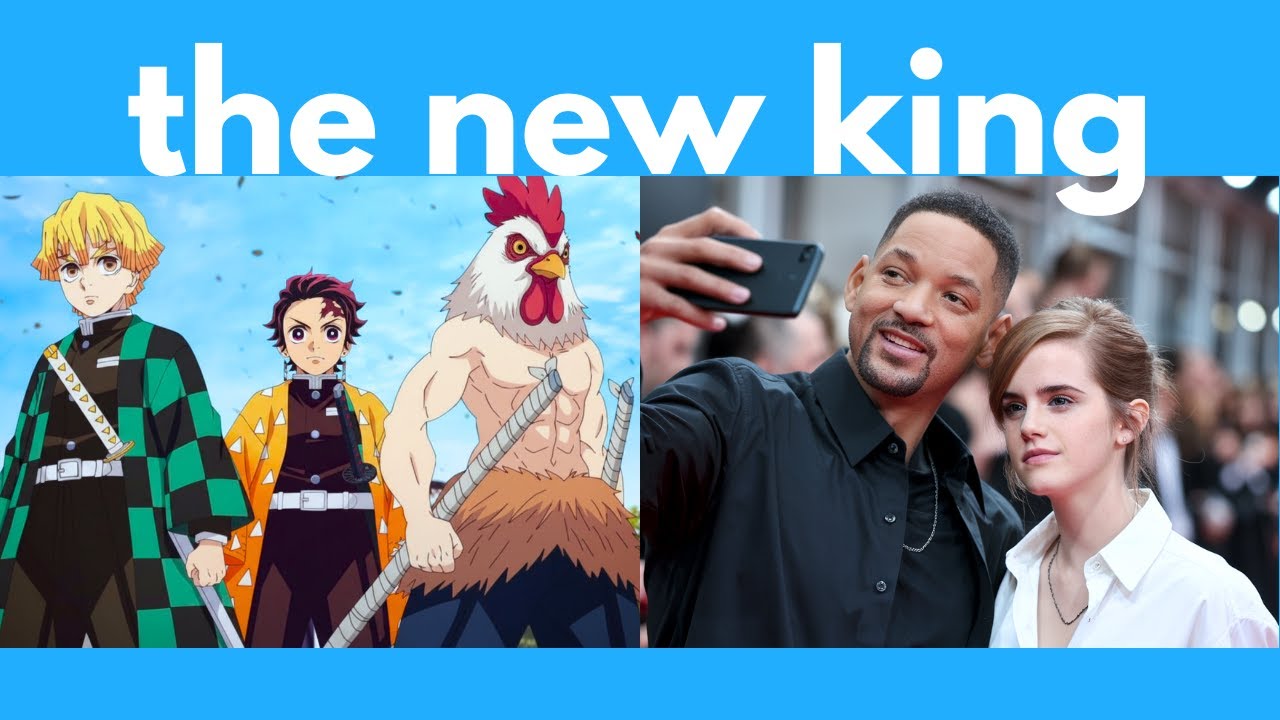
The video introduces Nano Banana, a newly revealed AI image editor powered by Google’s Gemini 2.5 Flash multimodal model. Unlike previous models, Gemini 2.5 can understand and generate images, audio, and video, making Nano Banana a highly advanced tool for image editing and generation. The presenter highlights its dominance on AI model leaderboards, where it outperforms competitors by a significant margin, showcasing its superior capabilities in detail preservation, prompt understanding, and deepfake creation compared to other leading editors like GPT40 and the open-source Quen Image Edit.
Throughout the video, various tests demonstrate Nano Banana’s impressive performance. It excels at creating deepfakes with high fidelity, accurately capturing details from reference images, and performing complex edits such as outfit swapping, pose-based generation, and style preservation. In contrast, GPT40 often struggles with censorship issues or detail preservation, while Quen Image Edit, though free and open-source, sometimes fails to maintain consistency or background accuracy. Nano Banana also shines in photo restoration and color correction, effectively repairing old or damaged photos while preserving original details better than its competitors.
However, the video also points out some limitations of Nano Banana. It struggles with certain style transfers, such as converting photos into anime or mixed Lego-Pixar styles, where GPT40 and Quen Image Edit perform better. Additionally, Nano Banana has difficulty with complex multi-subject transformations, like turning all girls into cats and boys into dogs in a group photo, and sometimes alters text or manga panels unexpectedly. These shortcomings suggest that while Nano Banana is powerful, other tools may be preferable for specific niche tasks.
The presenter explains how users can access Nano Banana through Google’s AI Studio platform for free, albeit with limited usage quotas, and via the LM Arena leaderboard for side-by-side model comparisons. Developers can also integrate Gemini 2.5 Flash image capabilities through Google’s API, enabling broader application in various apps. The video emphasizes that Nano Banana is currently in a preview “Flash” version, hinting that future pro versions could be even more advanced, and speculates about other unreleased AI models Google might be developing behind the scenes.
In conclusion, the video positions Nano Banana as the best AI image editor available today, especially for tasks requiring high detail fidelity, prompt comprehension, and realistic deepfake generation. While it has some weaknesses in style transfer and complex edits, its overall performance surpasses both closed-source and open-source alternatives. The presenter encourages viewers to try Nano Banana, share their experiences, and stay updated on AI developments through his newsletter, underscoring the rapid evolution and exciting potential of AI-powered creative tools.