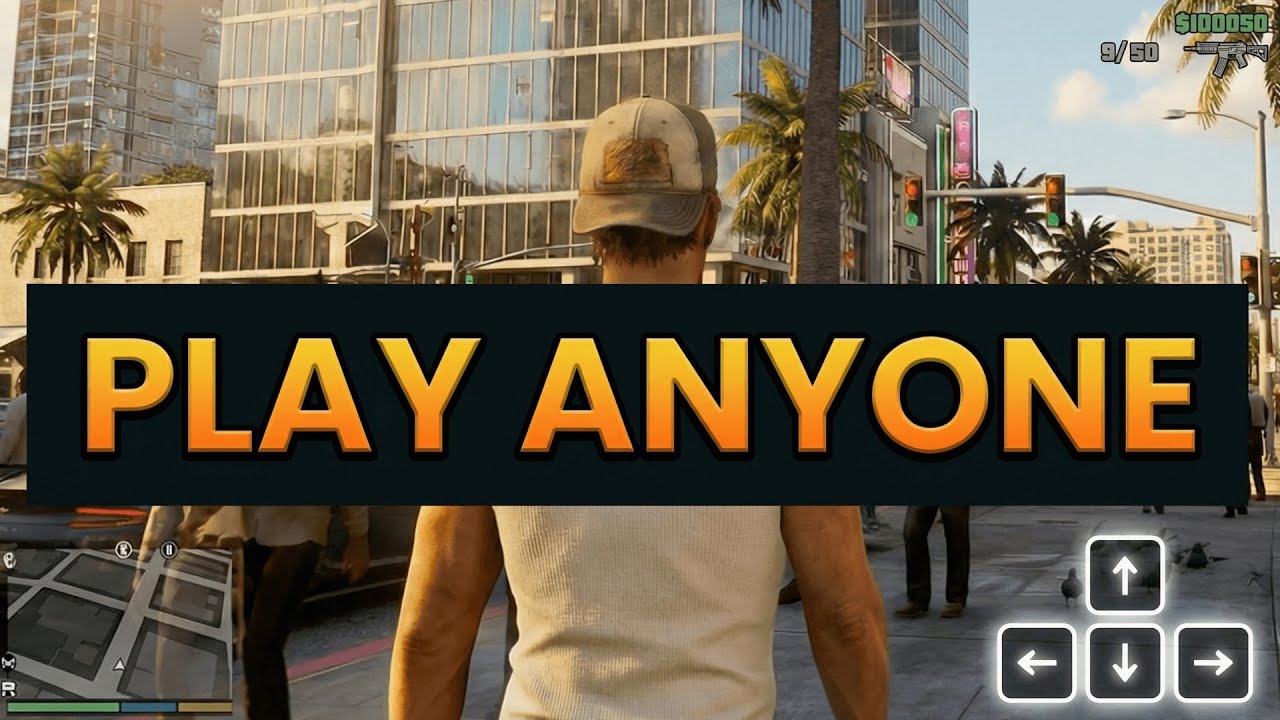
Google has introduced a groundbreaking AI tool, known as Genie, that can transform simple images or text prompts into fully explorable, interactive 3D game worlds within seconds—no coding or technical skills required. Users can upload photos, sketches, or AI-generated images, and the system automatically generates immersive environments and characters. The tool allows for extensive customization, including changing the style (from photorealistic to watercolor or felt), editing characters, and defining interactions within the world. This democratizes game and simulation creation, making it accessible to anyone with an idea.
The video showcases a variety of impressive examples generated by Genie, highlighting its ability to handle realistic lighting, shadows, and physics. For instance, the AI accurately simulates the movement of animals, vehicles, and objects, as well as environmental effects like reflections and dynamic lighting changes. Users can create playful scenarios, such as a cat riding a vacuum cleaner or a backyard racetrack, and even animate characters in different artistic styles. While the current version has some limitations—such as a 60-second cap on generated experiences and basic interactivity—it already demonstrates remarkable versatility and realism.
Beyond entertainment, the technology has significant real-world applications. It can be used for educational simulations, such as driving practice or historical recreations, and for professional training, like preparing for complex operations or disaster planning. The ability to rapidly generate accurate 3D models of real or imagined spaces could revolutionize fields like architecture, urban planning, and interior design, allowing users to visualize and iterate on environments before making real-world changes. The tool also opens up possibilities for therapy, such as exposure therapy for phobias or social skills rehearsal.
The video speculates on the broader implications of this technology. As Genie and similar models become more advanced, they could be integrated with virtual and augmented reality, enabling users to overlay or fully immerse themselves in custom-made worlds. This could lead to new forms of interactive storytelling, personalized product demonstrations, and even collaborative world-building, where users license and share their creations. The integration with robotics is also highlighted, as AI-generated world models could help autonomous robots better understand and navigate real environments.
Looking further ahead, the video envisions a future where such AI-generated simulations are combined with brain-computer interfaces, allowing people to experience or even “download” virtual worlds directly into their minds. This convergence of technologies could fundamentally change how we learn, create, and interact with both digital and physical realities. The presenter concludes by emphasizing the transformative potential of these tools, encouraging viewers to imagine the endless possibilities and to stay informed as the technology rapidly evolves.