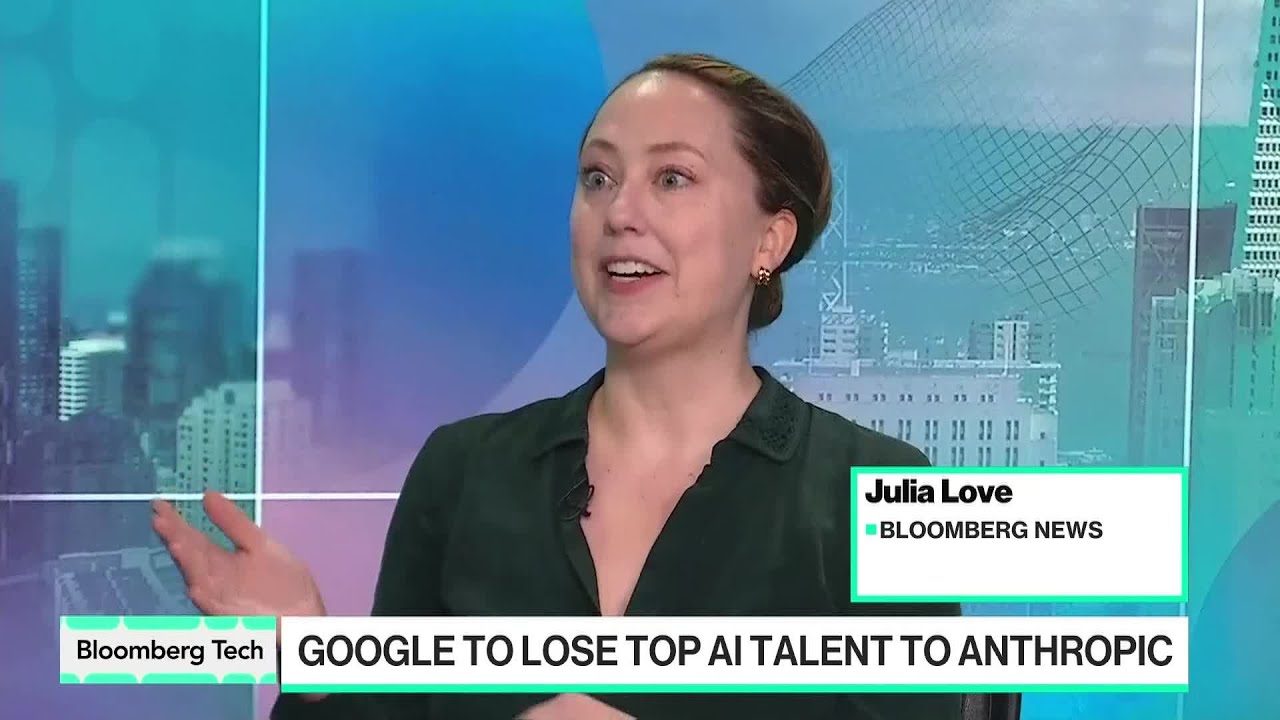
Two leading AI researchers, Jonas Adler and Alexander Pritzl, have left Google to join rival Anthropic, raising concerns about a potential talent drain amid intense competition in the AI industry. Despite Google’s assurances of strong talent and resources, these high-profile departures, along with internal challenges like computing resource allocation, highlight uncertainties about the company’s future in AI development.
Two prominent AI researchers, Jonas Adler and Alexander Pritzl, are leaving Google to join Anthropic, marking the latest in a series of high-profile departures that have raised concerns about Google’s AI ambitions. Both Adler and Pritzl were key contributors to Google’s flagship AI model, Gemini, with Adler focusing on AI coding and Pritzl working on the pretraining phase, which involves training models on large datasets. Their exit has been felt deeply within the AI community, as they were highly regarded by their peers.
These departures come on the heels of other significant moves in the AI industry, including Nobel laureate John Jumper’s transition from OpenAI to Anthropic. This trend has sparked worries about a potential talent drain at Google, especially given the relatively small pool of experts capable of making substantial advances in AI model development. The news has also impacted Alphabet’s stock performance, reflecting investor concerns about the company’s ability to maintain its competitive edge.
Despite these challenges, Google maintains that it has a deep bench of AI talent and is well-positioned to continue its work on Gemini and other projects. While the number of reported departures remains limited, the significance of each individual in this specialized field means that even a few exits can have outsized effects. The situation highlights the competitive and dynamic nature of the AI talent market.
Additional insights from the report reveal internal dynamics at Google related to computing resources. Computing power is a critical and contested asset within the company, shared among cloud clients, research teams, and product development. Notably, just before Noam Shazir’s departure, computing resources for one of his projects were reallocated to a larger pretraining team in London, possibly to enhance collaboration. This move underscores the complex and sometimes political nature of resource management within Google’s AI efforts.
Overall, the departures of key AI researchers to Anthropic underscore the intense competition for top talent in the AI industry and raise questions about Google’s future trajectory in AI development. While Google asserts its strength in talent and resources, the ongoing shifts suggest a period of uncertainty and adjustment as the company navigates these changes. The story continues to evolve as more details emerge about the internal workings and strategic decisions shaping Google’s AI initiatives.