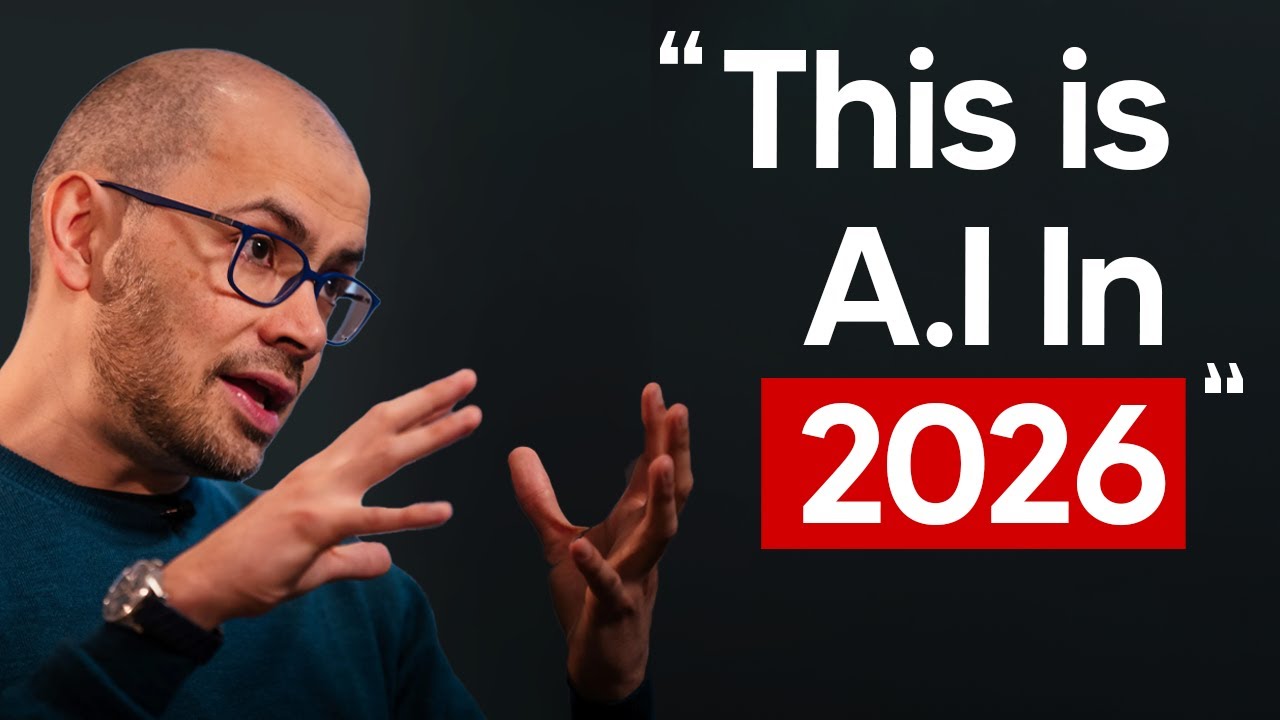
In a recent interview with Axios, Demis Hassabis, the head of Google’s AI efforts, shared his vision for what AI will look like in 2026, highlighting the concept of full “omnimodels.” These models will integrate multiple modalities—images, video, text, audio, robotics, and 3D—into a single, highly capable system. Google’s Gemini foundation model is already multimodal, able to process and generate across these different types of data, and is rapidly advancing in all six areas. This convergence is expected to lead to powerful new AI capabilities, especially in combining video with language understanding.
One of the key areas of progress is robotics. Google’s Gemini Robotics 1.5 model is designed to power physical agents capable of solving complex, multi-step tasks by perceiving their environment, reasoning step-by-step, and acting accordingly. Unlike previous models, Gemini Robotics 1.5 uses a unified model for different robot forms without needing fine-tuning. It also has agentic capabilities, allowing it to use the internet to answer questions and solve problems in real time. This marks a significant step toward practical, helpful AI robots that can assist with everyday tasks.
In addition to robotics, Google is making strides in image and video generation. The Nano Banana Pro image model demonstrates advanced reasoning during image creation, adjusting and refining outputs for accuracy. Google’s V3 video model leads the field in image-to-video generation, and it is expected to improve further by 2026. Another exciting development is Gemini Live, a multimodal AI assistant that can interact with users in real time, reason on the fly, and provide detailed guidance, such as helping someone perform an oil change on their car. This showcases how AI can become a practical tool for complex, real-world tasks.
Google is also pioneering “world models,” interactive, coherent virtual environments generated by AI. Their Genie 3 system allows users to create and explore dynamic worlds that react to their actions and maintain memory of changes. These world models have potential applications beyond entertainment, including robotics training, disaster preparedness, and scientific research. The technology is expected to evolve rapidly, with future versions becoming even more immersive and useful across various domains.
Finally, Google is advancing agent-based AI systems that can perform specialized tasks autonomously. Examples include AI collaborators for scientific research that propose and test new hypotheses, coding agents that detect and fix security vulnerabilities, and data science assistants that automate complex workflows. These agents demonstrate Google’s leadership in creating AI that not only assists humans but can also innovate and solve problems independently. Overall, Google’s roadmap for 2026 suggests a future where AI is deeply integrated into many aspects of life, offering unprecedented capabilities across multiple fields.