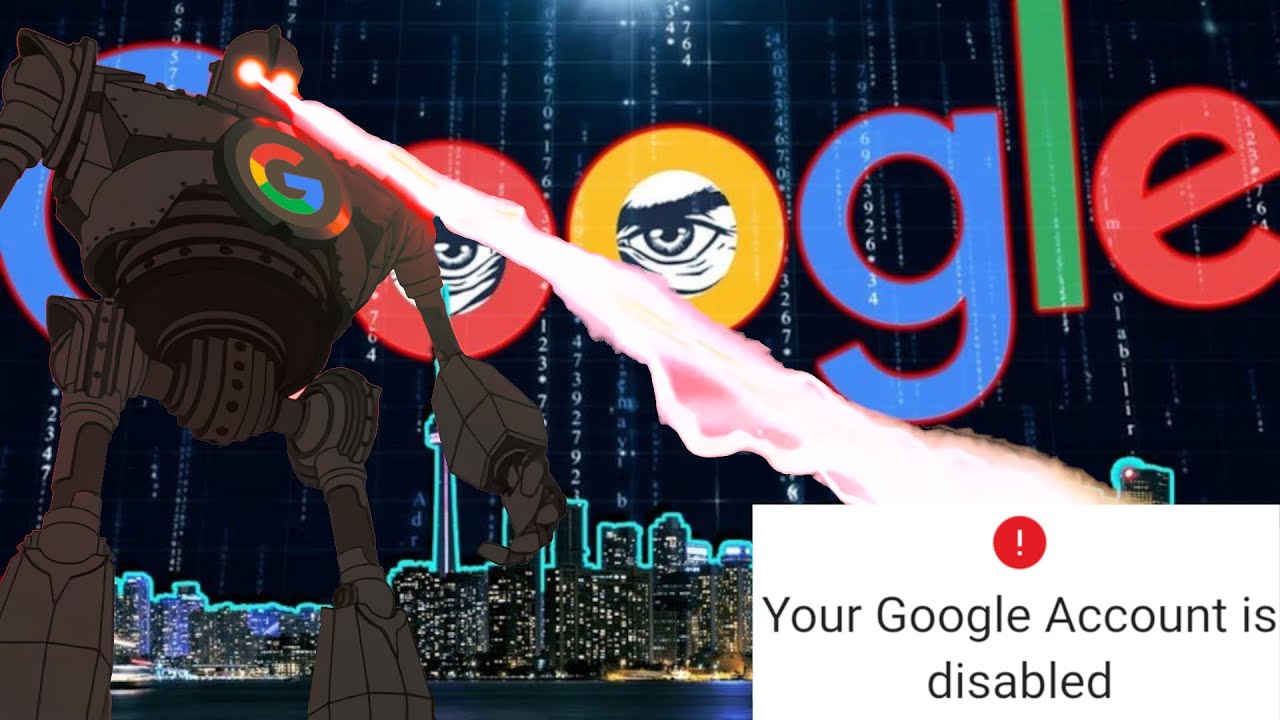
The video discusses the risks of relying solely on cloud storage for backing up important data, particularly focusing on Google’s cloud services. Many users, especially new parents, tend to store all their photos and files in the cloud without maintaining local backups. This practice is risky because cloud services like Google Photos automatically sync images from devices, and users often do not change default settings. The video emphasizes that the cloud is essentially someone else’s computer, and users have little control over how responsibly their data is managed.
A significant issue highlighted is Google’s aggressive scanning for Child Sexual Abuse Material (CSAM) on its servers. Google uses AI tools not only to detect known illegal images but also to identify new potential instances of abuse. Unfortunately, this system frequently generates false positives, leading to innocent users having their entire Google accounts deleted. This problem has affected many new parents who upload typical baby photos, such as pictures of their children in the bathtub, which are mistakenly flagged as illegal content. Even when law enforcement clears these users after investigation, Google often refuses to reinstate their accounts.
The consequences of losing a Google account extend far beyond just losing photos. Since many people use Gmail as their primary email and rely on Google for account sign-ins across various platforms, losing access to a Google account can result in losing access to numerous other online services. Additionally, if Google restricts sideloading apps on Android devices, a banned account could prevent users from installing new apps from the Play Store or other sources, severely limiting device functionality. Creating a new Google account may not be a viable solution either, as using the same phone number or IP address could put the new account at risk of being banned as well.
The video also touches on Google’s AI image generation tool, Nana Banana, which has been causing account bans for users creating AI-generated images, including popular trends like “hug your younger self.” Google’s AI models have strict content restrictions, and accounts can be banned automatically without human oversight if the AI detects content it deems inappropriate. This automated banning process lacks transparency and recourse, leaving users locked out even when no wrongdoing is found by authorities. The video warns that Google’s policies could expand to other content areas, such as firearms, given the company’s restrictive stance on certain subjects.
In conclusion, the video strongly advises viewers to avoid putting all their digital data and online identities solely in Google’s hands. It recommends maintaining multiple local backups, avoiding the use of Google sign-in for other services, and disabling automatic photo syncing to Google Photos. Users should diversify their data storage and account recovery options to protect themselves from sudden and irreversible account bans. The video ends with a call to action to like and share the content and promotes the creator’s online store.