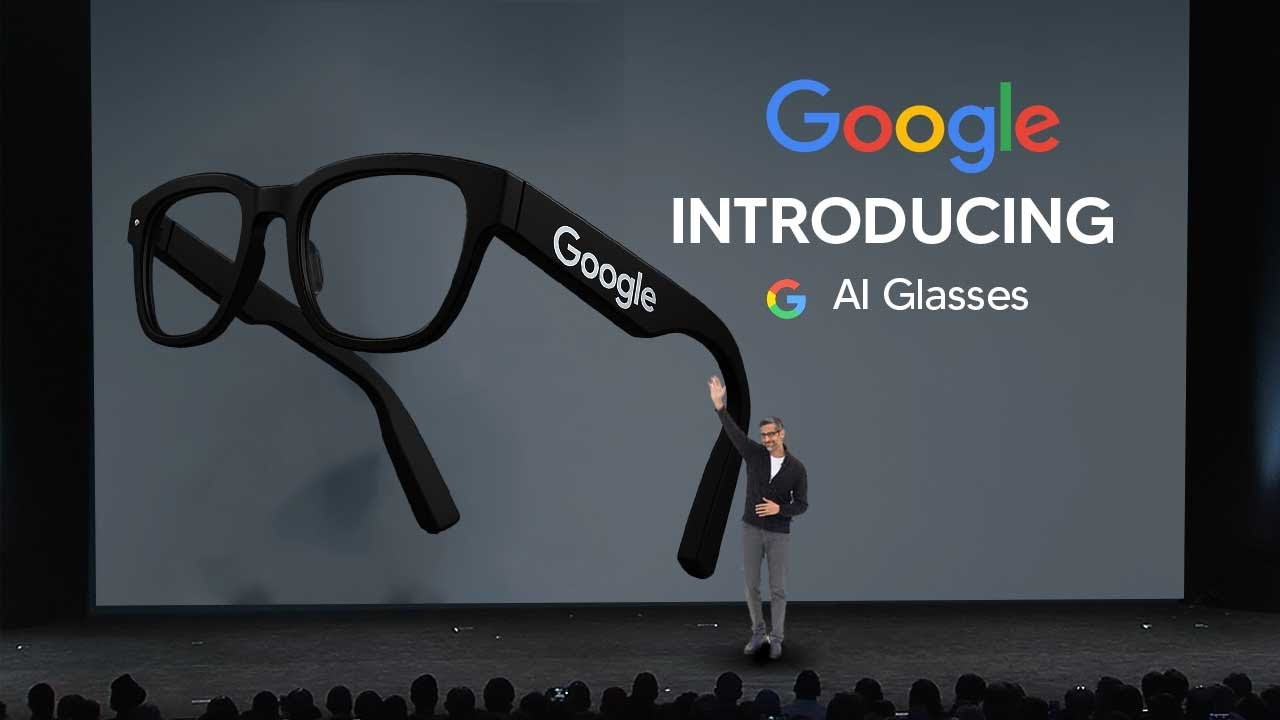
Google has unveiled their new Android XR glasses at the IO event, marking a significant improvement over their previous Google Glass attempt from over a decade ago. These smart glasses are designed to look like regular eyewear and are intended for all-day wear, working seamlessly with Android phones. They feature cameras, microphones, speakers, and optional lens displays that can show private information directly in the user’s field of vision. The glasses come in three versions: a basic model without a display, a mid-tier monocular display, and a premium binocular display, with support for prescription lenses.
What sets these glasses apart is their integration with Google Gemini’s AI, which acts like a personal AI assistant that perceives the environment around you. During demos, features like notifications, quick responses, and photo capturing were showcased. Notably, the glasses can remember what you see, helping users find misplaced items like hotel keys or books through visual memory. They also support real-time translation of text and spoken language, effectively providing live subtitles for conversations in different languages, enhancing communication in diverse settings.
Navigation is another impressive feature, with the glasses overlaying 3D maps and turn-by-turn directions directly onto the real world, reducing reliance on phones while walking. Users can preview photos instantly without needing to pull out their phones, and the glasses can assist with everyday tasks like checking group chat updates or finding nearby stores. These functionalities demonstrate how the glasses aim to integrate seamlessly into daily life, making tasks more convenient and efficient through AI-powered assistance.
From a technical perspective, the glasses are not standalone devices; they connect to Android phones, which handle most processing to keep the glasses lightweight and improve battery life. The design has been refined to resemble conventional eyewear, making them less conspicuous than earlier versions like Google Glass. Google has partnered with brands like Samsung, Gentle Monster, and Wably Parker to develop stylish versions, emphasizing the importance of aesthetics alongside advanced technology to encourage widespread adoption.
Overall, the future of AR glasses looks promising, with Google’s new device addressing many limitations of past attempts. The integration of powerful AI, improved display technology, and practical use cases like translation, navigation, and object recognition suggest these glasses could genuinely enhance daily interactions with technology. However, questions remain about pricing, privacy, battery life, and social acceptance. Despite these concerns, the potential for these glasses to transform how we perceive and interact with the world makes them an exciting development in wearable tech.