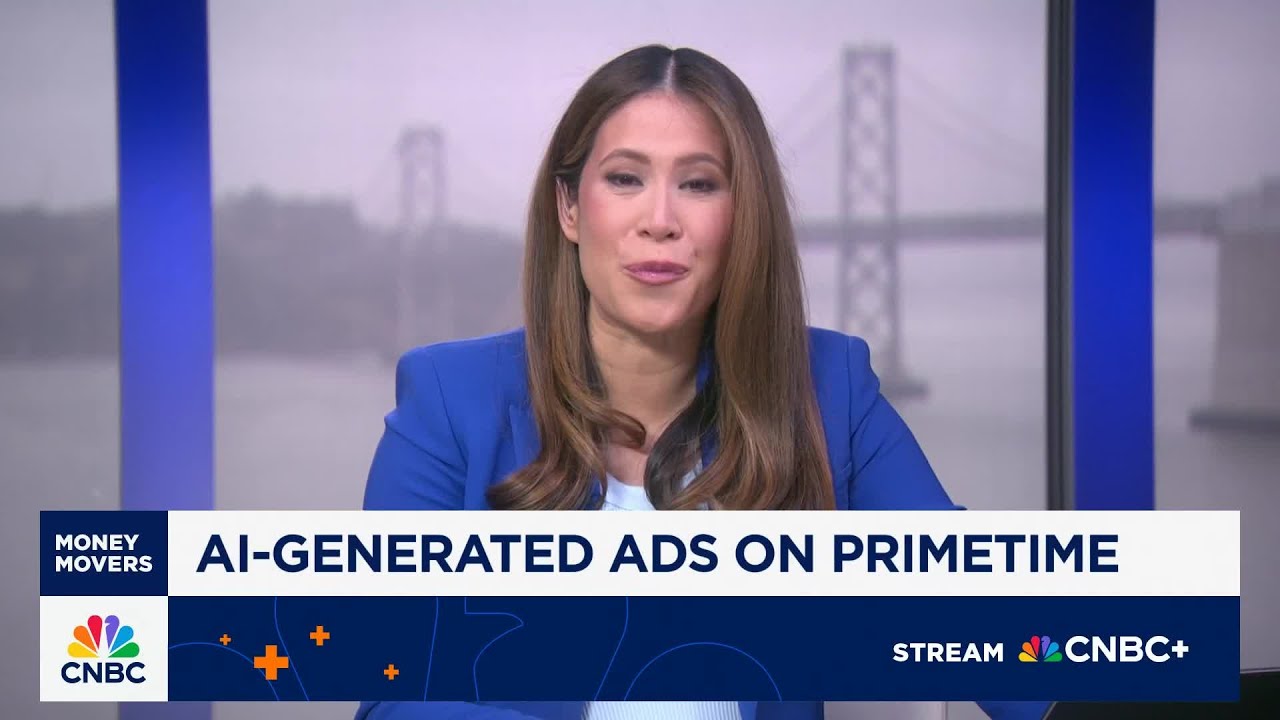
The video discusses a groundbreaking AI-generated advertisement that aired during prime time on ABC, showcasing the rapid advancements in AI technology within the advertising industry. The ad was created using Google’s new Vo3 video generation tool, which was unveiled recently and is capable of producing realistic, lip-synced, cinematic-quality videos from prompts. This marks a significant milestone, as it demonstrates AI’s ability to generate high-quality video content suitable for mainstream broadcast, beyond just social media virality.
The Vo3 tool’s capabilities include pairing spoken dialogue with visually convincing footage, enabling the creation of complete commercials without human filming crews or soundstages. In this case, the ad was produced in just two days and featured spontaneous content, such as people in Florida discussing NBA game predictions. This showcases how AI can streamline and accelerate the production process, potentially disrupting traditional methods that rely heavily on expensive human labor and resources.
The emergence of such AI-generated ads raises important industry implications. Major advertising agencies are already feeling pressure, especially as companies like Meta plan to fully automate ad creation by 2026. The rapid pace of AI development suggests that traditional workflows may soon be replaced or heavily supplemented by AI, leading to cost reductions but also raising concerns about authenticity, trust, and the potential for misuse, such as deepfakes.
Interestingly, the ad aired on Disney-owned ABC, even as Disney is involved in legal actions against AI image generators like Midjourney for copyright infringement. This highlights a paradox where media companies profit from AI-created content while simultaneously seeking to protect their intellectual property rights. It underscores the complex and often contradictory relationship between AI innovation, copyright law, and industry regulation.
Overall, the video emphasizes that AI technology is advancing swiftly, transforming the business models of advertising and media. As AI tools become more capable and accessible, the industry faces a future where content creation is faster, cheaper, and more automated, but also where new legal, ethical, and trust issues will need to be addressed. The pace of change suggests that these disruptions will accelerate, reshaping the landscape of media and advertising in profound ways.