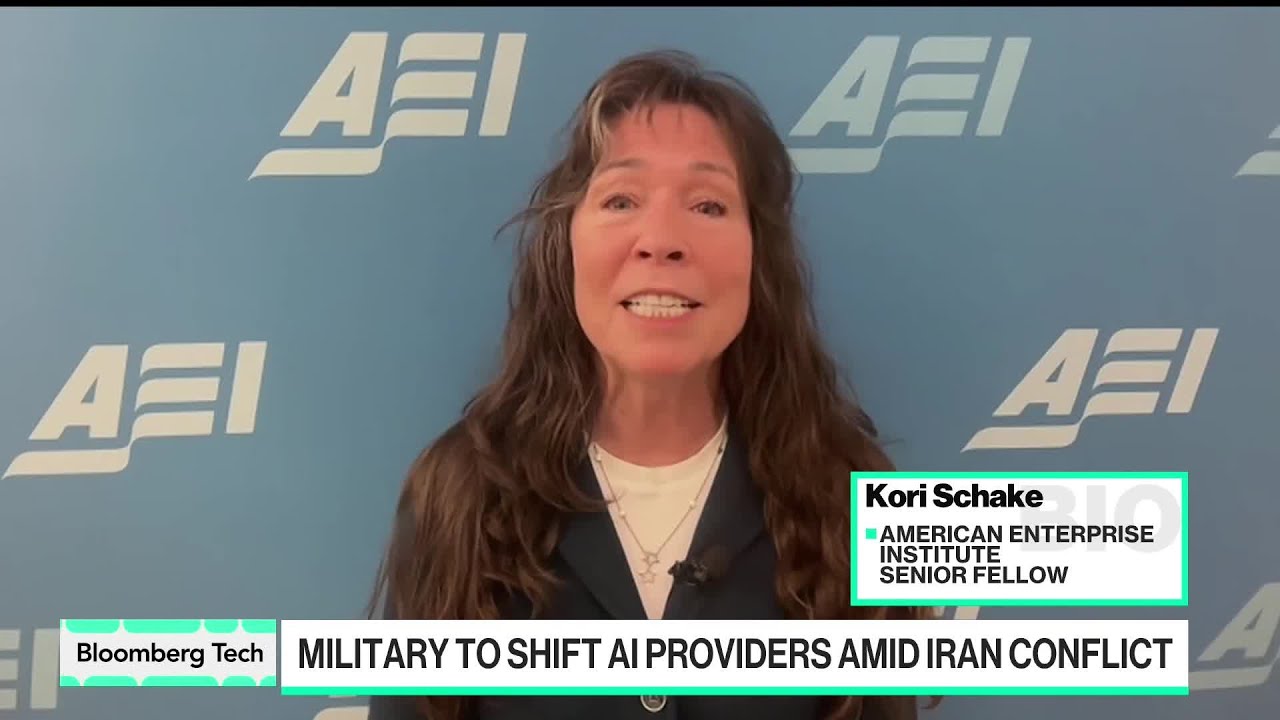
The video criticizes the Pentagon’s decision to blacklist Anthropic, arguing that it harms U.S. national security and discourages tech companies from working with the defense sector, while highlighting the need for transparency and ethical standards in AI deployment. It contrasts Anthropic’s cautious approach to government contracts with OpenAI’s, and calls for Congress to establish clear legal guidelines to ensure responsible and trustworthy use of AI in defense.
The video discusses the Pentagon’s recent decision to blacklist Anthropic, a leading American artificial intelligence company, from its supply chain. The speaker criticizes this move as a “petulant reaction” by the Secretary of Defense, arguing that it will ultimately harm the Department of Defense (DoD) and U.S. national security. The blacklisting is described as an outrageous step more commonly taken against foreign adversaries, such as Chinese firms, rather than patriotic American companies already involved in classified defense activities. The speaker warns that this action could discourage other cutting-edge tech firms from collaborating with the defense sector, fearing exposure and punitive measures.
The conversation then shifts to the importance of transparency in these decisions, especially given the ethical complexities surrounding frontier technologies like AI. The speaker notes that Anthropic’s leadership, particularly Dani Burger, has brought significant public attention to these issues. There is concern that reducing transparency or denying companies the right to set standards for how their technologies are used by the defense department is a losing proposition for the DoD. The need for open, public debate and clear ethical guidelines is emphasized, given the far-reaching consequences of AI deployment.
Congress’s role in shaping defense policy is highlighted as a potential avenue for resolving these disputes. The speaker points out that Congress has the authority to legislate in this area and require the DoD to comply. Recent calls from California representatives to prevent companies from being unfairly excluded from national supply chains are mentioned as examples of legislative interest. The speaker finds it shocking that the DoD would blacklist an American company, suggesting that such actions should be reserved for adversaries, not domestic innovators.
The discussion also compares the approaches of OpenAI and Anthropic regarding government contracts. OpenAI appears willing to trust the government’s assurances that its products will not be misused, relying on contractual safeguards. In contrast, Anthropic demands more concrete proof and indemnification to ensure its technology is used as intended. The speaker suggests that, given the current low level of trust in the DoD, Anthropic’s stance may actually benefit its reputation, while the DoD’s actions could be seen as an aggressive or even predatory use of legal authority.
Finally, the video addresses the growing role of AI in defense, particularly in analyzing large datasets and identifying threats. While AI is already proving valuable in these areas, Anthropic is concerned about its potential use in domestic surveillance and lethal force decisions without sufficient confidence in the technology. The speaker argues that these are reasonable concerns and that Congress should consider enshrining such standards into law until there is greater transparency and understanding of AI’s capabilities. This would help ensure responsible use of AI in defense while maintaining public trust and industry participation.