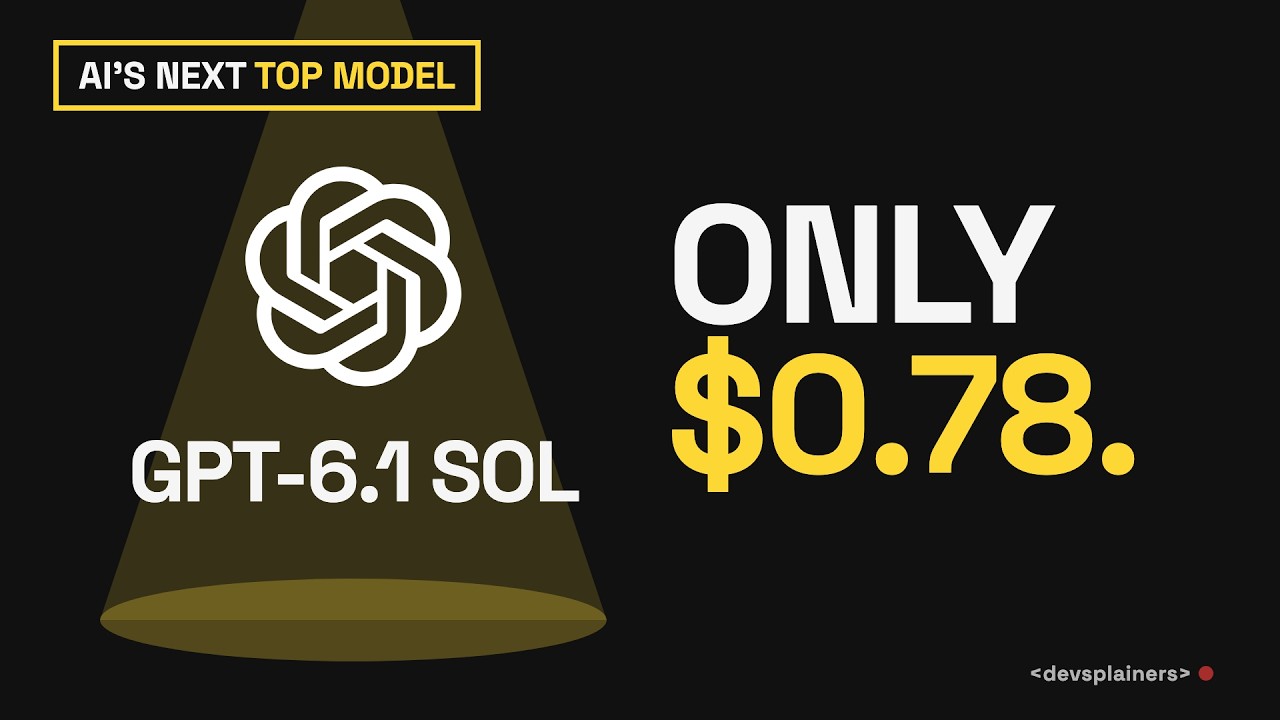
The video features GPT-6.1 Sol presenting a British murder mystery-style explanation of the double charge problem in distributed payment systems, highlighting how lost responses lead clients to retry payments and cause duplicates. It emphasizes that the true solution is using idempotency keys with atomic transactions to safely handle retries, while noting the need for external payment provider support to fully prevent duplicate charges.
The video introduces an AI model competition called “AI’s Next Top Model,” where different AI models create short videos aimed at engaging the devsplainers YouTube audience. Each model has one hour to build their project, selects their own AI voice, receives $5 in Open Router credits, and can access the internet. The featured contestant in this episode is GPT-6.1 Sol, which presents a technical topic in an engaging and creative way.
GPT-6.1 Sol’s video dramatizes a common issue in distributed payment systems: a customer is charged twice for a single payment due to a network failure causing a lost response. The narrative is styled like a British murder mystery, with the “crime” being a double charge caused not by malicious intent but by reasonable code behavior. The client sends one payment request, the server processes it successfully, but the response is lost, leading the client to retry and inadvertently cause a second charge.
The core problem highlighted is the client’s assumption that a timeout means failure, when in reality it means uncertainty. This misunderstanding leads to retries and duplicate charges. Simple fixes like disabling retries or increasing timeouts are inadequate because they either cause genuine requests to hang indefinitely or prolong uncertainty without resolving the root cause. The video explains that the real solution involves using idempotency keys—unique identifiers for each intended payment that allow the server to recognize and handle retries safely.
The idempotency key approach ensures that even if the client retries a request due to lost responses, the server processes the payment only once and returns the stored result for subsequent attempts. This requires atomic database transactions that record the key, the charge, and the result together, preventing race conditions. However, the video also notes that this method only protects local database operations; external payment providers must also support deduplication and reconciliation to fully solve the problem.
In conclusion, GPT-6.1 Sol’s video effectively explains a complex distributed systems issue with clarity and creativity. The host praises the model for its engaging storytelling, efficient resource use, and unique style choices like dark green visuals and code-generated music. The video ends by inviting viewers to comment on which AI model should be featured next, highlighting the competition’s ongoing nature and community involvement.
Useful Links