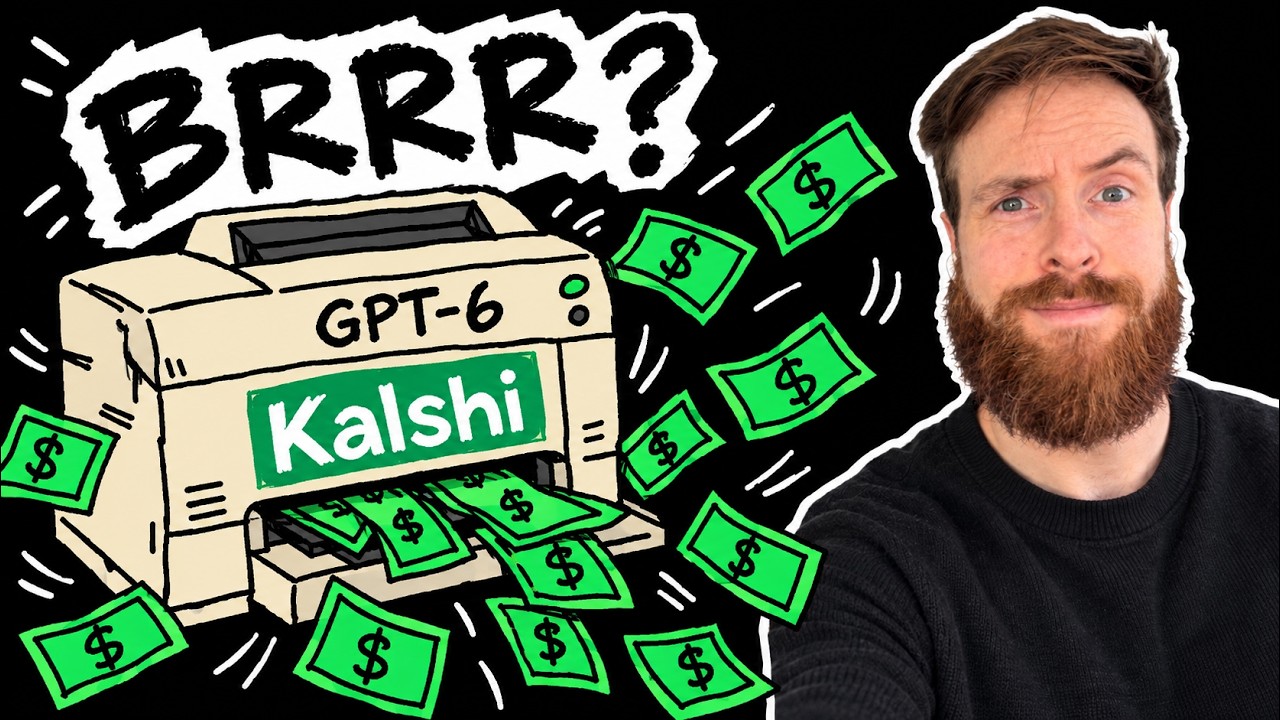
The GPT-6 powered AI trading bot, designed to trade on Kalshi’s New York City weather markets using Google DeepMind’s weather predictions, has shown promising early results with a total profit of around $34 after one week, while employing a conservative strategy that only enters trades with a minimum expected value edge of five cents. The creator highlights the bot’s disciplined risk management, noting it refrains from trading when no favorable edge is detected, and plans to continue monitoring its performance over the coming weeks.
About five days ago, the creator launched a GPT-6 powered AI trading bot designed to trade on Kalshi’s weather markets, specifically focusing on New York City weather. The bot leverages Google DeepMind’s new weather prediction model to forecast market movements. Running on a VPS system 24/7, the bot encountered a few minor issues during travel but has otherwise operated continuously. The video provides an update on the bot’s performance since its inception, encouraging viewers to watch the original setup guide if they missed it.
In the initial days, the bot experienced a small loss on the first day but quickly recovered with profitable trades on subsequent days. For example, on September 11th, the bot made around $12 in profit after fees. Some positions are still pending settlement, showing unrealized gains of about $14, bringing the total profit to approximately $34 so far. The creator notes that while the start looks promising, it is too early to draw definitive conclusions about the bot’s long-term profitability.
The bot operates by selecting trades based on a conservative expected value edge, requiring a minimum edge of five cents to enter a position. The creator explains how the bot evaluates different price buckets and chooses the side with the largest conservative edge at launch. The system is designed to avoid trades when no sufficient edge is detected, which helps minimize risky bets. The creator highlights that the bot’s entry edges have generally been positive, though it remains unclear whether this is due to skill or beginner’s luck.
On the day of the update, the bot did not place any trades because no qualifying edge above the five-cent threshold was found. This outcome is seen as a positive feature, demonstrating that the bot can refrain from trading when conditions are unfavorable. The creator emphasizes that making no trade when there is no edge is as important as making profitable trades, reinforcing the bot’s disciplined approach to risk management.
In conclusion, the bot is functioning smoothly on the VPS and performing as intended by only taking trades with a positive expected value. The creator plans to continue running the bot, possibly expanding to other markets, and suggests revisiting the results after about two weeks or a month to better assess its performance. Viewers are encouraged to check out the original guide to build their own bot and to support the channel by liking and subscribing for future updates.