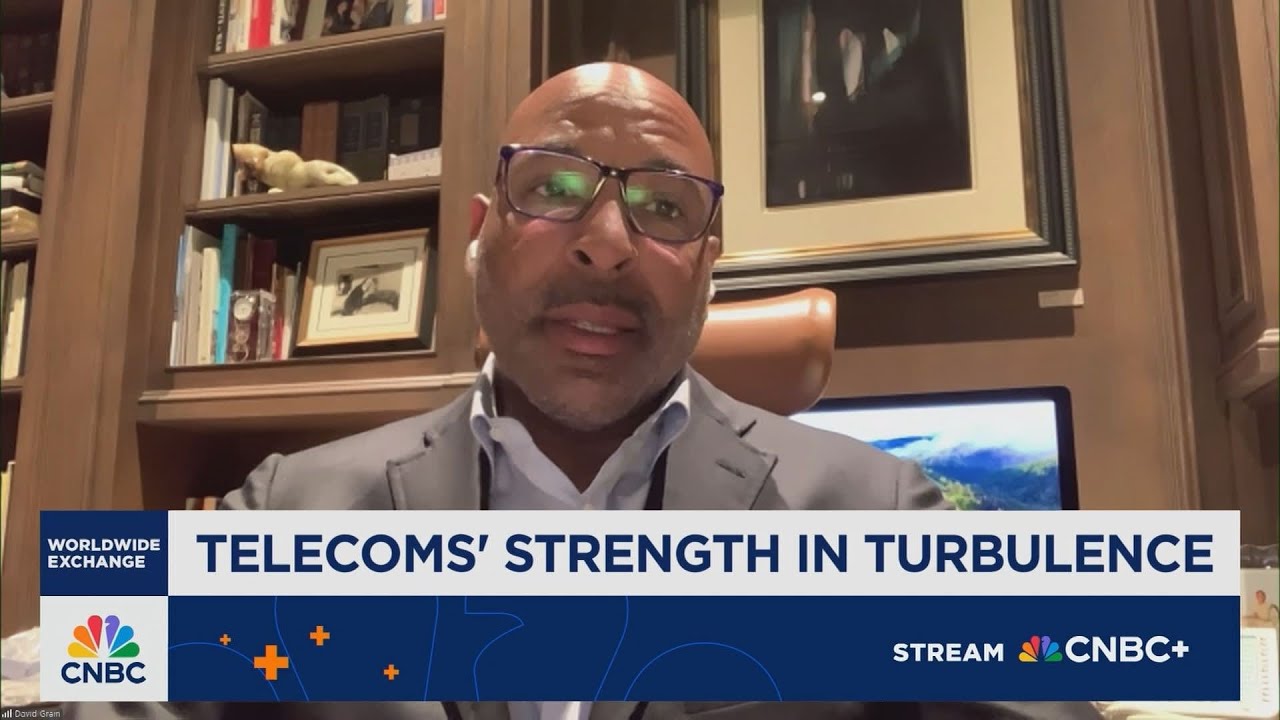
The video features an interview discussing the current state of the data center industry, driven largely by the explosion of demand for AI and digital infrastructure. The interviewee emphasizes that broadband remains a critical and highly resilient sector, supported by regulatory policies worldwide and recognized as a key economic driver. Despite volatility in other markets, investment confidence in broadband and data centers persists due to their essential role in modern life and economic growth.
The conversation highlights that recent strong earnings reports from companies like Microsoft and Meta have reaffirmed the importance of data center investments. Meta, in particular, has increased its capital expenditure guidance, much of which is allocated to expanding data center capacity. The interviewee notes that the demand for data centers is fueled by AI, which requires significant compute power, and that the location and build-out of these centers depend heavily on the availability, reliability, and cost of electricity.
Regarding infrastructure and energy supply, the interviewee discusses the responses of utility and energy companies, such as Dell, Southern Company, and Fortress, to economic uncertainties and tariffs. While specific company strategies are not detailed, the general consensus is that these firms are carefully navigating supply chain challenges and tariff impacts, leveraging their experience to make informed decisions to weather economic fluctuations.
The discussion then shifts to government policy, particularly the first 100 days of the current administration. The interviewee notes a generally pro-growth stance with lighter regulation, which has facilitated infrastructure development, especially in the telecom and broadband sectors. There is bipartisan support for expanding and securing networks, recognizing their importance for economic competitiveness. However, regulatory issues like spectrum reallocation and auction authority remain key areas needing attention to ensure continued progress.
Finally, the interview touches on international trade relations, specifically the resumption of US-China trade talks. The interviewee views this development positively but remains cautious, emphasizing the importance of being prepared for ongoing supply chain and cost management challenges amid changing geopolitical dynamics. Overall, the conversation underscores a cautiously optimistic outlook for data center growth, driven by technological, regulatory, and geopolitical factors.