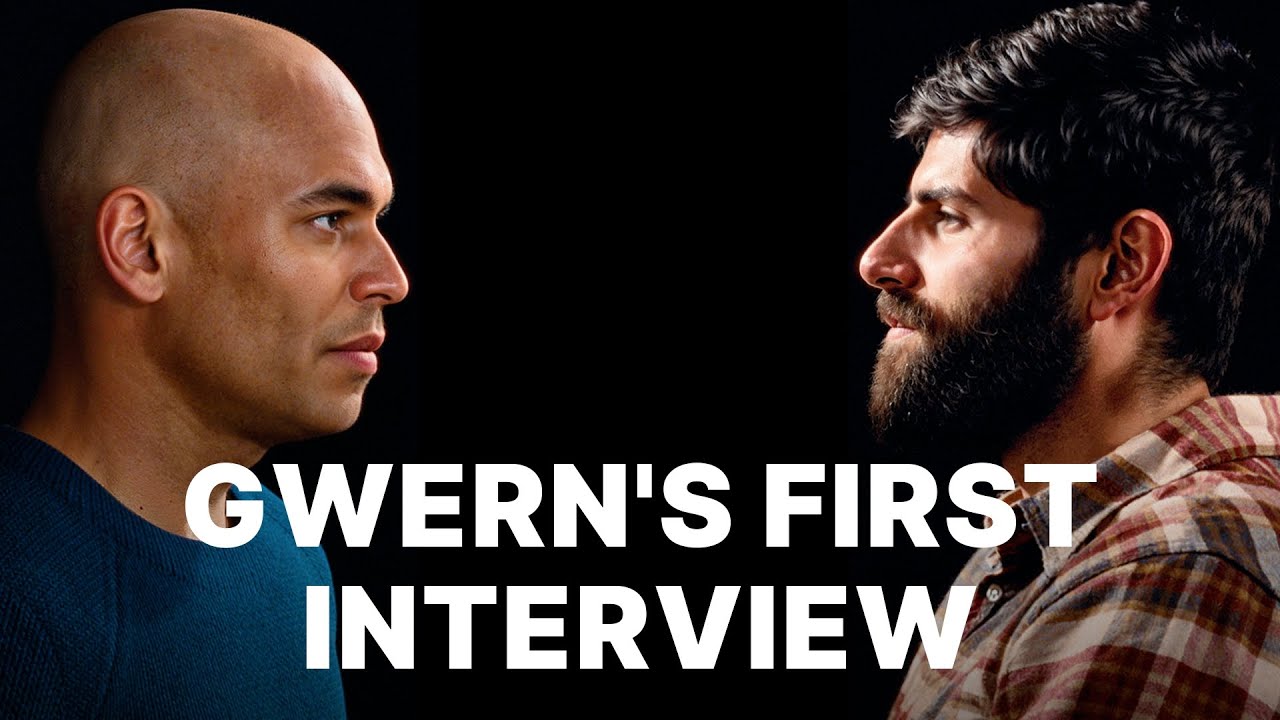
In an interview, Gwern Branwen discusses the benefits of anonymity in research, allowing for open-minded engagement with ideas and protection from backlash, while sharing his insights on the future of AI, which he believes will see a bottom-up approach in automation. He emphasizes the importance of human executives in guiding AI-driven organizations and reflects on his journey in understanding AI’s trajectory, influenced by early thinkers and the significance of scaling laws in AI development.
In the interview with Gwern Branwen, an anonymous researcher and writer, he discusses the advantages of anonymity, particularly in the context of research and discourse. He believes that being anonymous allows individuals to avoid being pigeonholed into specific identities or niches, which can lead to a more open-minded reception of their ideas. This anonymity also protects him from potential retaliation and allows for a more genuine engagement with his work, as people must engage with his content before forming judgments.
Branwen shares his insights on the future of AI and automation within companies, suggesting that the trend will likely be a bottom-up approach, where AI replaces lower-level tasks before reaching executive roles. He posits that human executives will still play a crucial role in long-term vision and decision-making, as AI may struggle with myopic choices. He envisions a future where human leaders guide AI-driven organizations, leveraging their unique insights and taste to make strategic decisions.
The conversation shifts to the concept of intelligence, where Branwen proposes that intelligence can be understood as a search over Turing machines. He argues that all forms of intelligence, whether human or artificial, involve searching through various algorithms and models to find solutions to problems. This perspective challenges the notion of a singular “master algorithm” and emphasizes the importance of computational power and data in developing intelligence.
Branwen reflects on his journey in understanding AI’s trajectory, noting that he was influenced by early thinkers like Moravec and Kurzweil. He highlights the significance of scaling laws in AI development, which he began to recognize through observing trends in deep learning and the increasing capabilities of models like GPT-3. He emphasizes that many in the AI community overlooked these scaling results, leading to a misunderstanding of the potential of AI advancements.
Finally, Branwen discusses his personal motivations and lifestyle as an independent researcher. He expresses a desire to contribute meaningfully to the discourse around AI and intelligence while maintaining a low-cost lifestyle that allows him to focus on his writing. He acknowledges the challenges of sustaining himself financially through platforms like Patreon, but he remains committed to his work, driven by a passion for exploring complex ideas and sharing his insights with others.