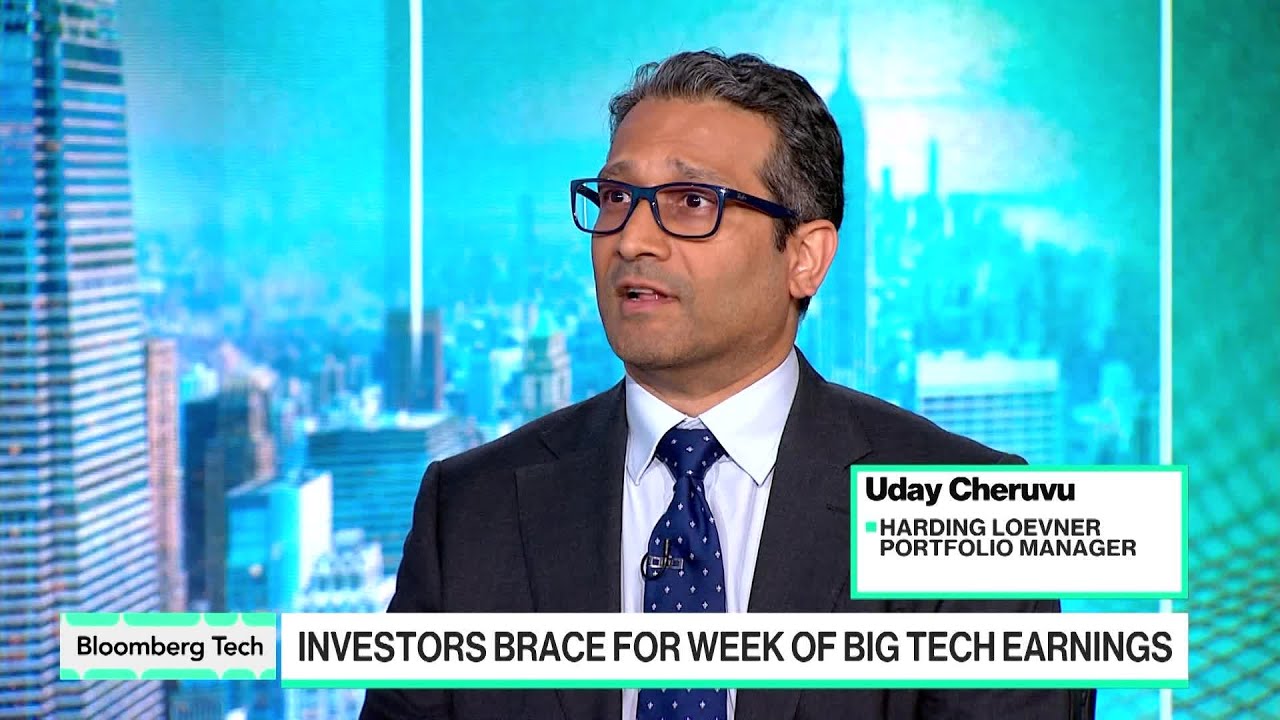
In the discussion on Meta’s increased capital expenditure, Harding’s Ceruvu acknowledges that the current spending levels are historically high, reflecting a significant investment in AI and other technologies. While investors are patient for now, there is growing anticipation for a clear monetization and productization strategy from Meta. The emphasis on personalization and superintelligence labs, as highlighted by Mark Zuckerberg, is seen as a strategic move to boost user engagement and eventually convert that into monetization. However, concerns remain about the long-term impact, especially given the limited size of the advertising market and the need for AI to expand that ceiling.
Ceruvu draws parallels to Meta’s Reality Labs, cautioning that while initial investments may show promise, sustained losses without clear revenue generation can erode investor confidence over time. The current revenue growth from Meta’s core advertising business justifies the valuation for now, but the next few years will be critical in demonstrating the tangible returns from AI investments. Investors are increasingly focused on understanding the monetization roadmap and the next product innovations that will drive growth beyond the existing advertising framework.
Turning to Apple, the conversation highlights the company’s heavy reliance on its supply chain and market presence in China, despite recent tariff discussions involving India. Apple’s growth remains primarily driven by its services and iPhone sales, with no significant new product lines emerging to propel valuation further. The introduction of foldable phones and the impact of tariffs on pricing and consumer demand add layers of uncertainty. Overall, Apple’s current valuation appears expensive without a compelling new growth story on the horizon.
Microsoft’s strength lies in its cloud business, particularly Azure, and its early and strategic partnership with OpenAI. Investors are keen to see how AI accelerates Microsoft’s growth trajectory, especially in comparison to competitors like Google, which has demonstrated strong growth in its cloud segment. The integration of AI into Microsoft’s broader product suite, including Office and subscription services, is a key focus area. However, the evolving relationship between Microsoft and OpenAI introduces complexity, as OpenAI increasingly competes in the enterprise software space, potentially challenging Microsoft on certain fronts.
Looking ahead, Ceruvu emphasizes a long-term investment perspective, with a 3 to 5-year horizon. While upcoming events such as the Federal Reserve meeting and earnings reports are important for gauging company fundamentals and market direction, they are unlikely to prompt drastic changes in investment strategy. Instead, these developments serve as checkpoints to ensure that investment theses remain on track, with a cautious but steady approach to navigating market uncertainties and technological advancements.