Haven is an emerging anti-AI platform aiming to replace YouTube by offering a space free from AI-generated content, tracking, and unfair creator compensation. Founded by two cybersecurity professionals, the app combines features of YouTube and Instagram, with a strong emphasis on protecting uploaded content from AI training through a process called “poisoning.” Despite a rocky start with an initial Kickstarter raising only $44,000, a second campaign, heavily advertised on YouTube, surpassed expectations by raising over $200,000 from 2,500 backers. The platform is still in development, with a private beta planned for May 2027 and a full launch expected in August.
One of Haven’s unique selling points is its approach to combating AI-generated content. The platform uses a tool called Mist to “poison” images, making them unusable for AI training, although video poisoning technology is not yet available. This process requires expensive hardware, which Haven plans to manage by purchasing their own graphics cards to keep costs down. Additionally, Haven intends to use crowdsourcing to detect AI content by rewarding users with small payments for identifying AI-generated posts, thereby reducing the burden on moderators and improving content quality.
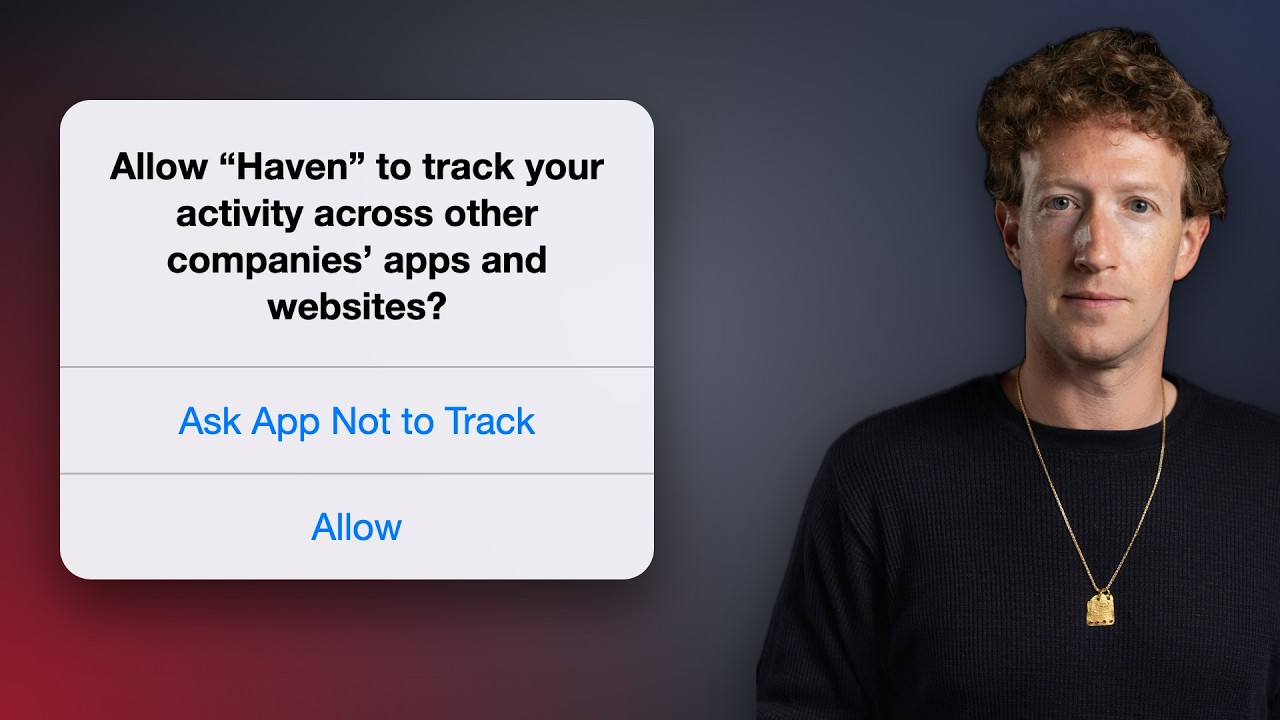
Haven also promises better payment models for creators, proposing a system where followers contribute small monthly amounts, potentially providing a more sustainable income than current platforms. The site emphasizes privacy, claiming it will never sell or share user data with third parties like Meta, although it does use Google Analytics and Meta advertising tools, highlighting the challenges of avoiding major ad networks. The platform’s front-end is currently underdeveloped, with plans to recruit developers at upcoming tech events, and the site’s launch timeline is humorously compared to Valve’s famously delayed “Valve time.”
Despite its noble goals, Haven faces skepticism, particularly regarding its reliance on advertising through the very platforms it seeks to replace and the high costs associated with video hosting. The founder openly discusses these challenges in lengthy streams, addressing community questions and sharing insights into the platform’s development and AI-related controversies. The project’s transparency and engagement with its audience have garnered some support, but questions remain about its long-term viability and ability to compete with tech giants.
Ultimately, Haven represents a bold attempt to create a creator-friendly, AI-resistant social media platform that prioritizes privacy and fair compensation. While still in its infancy and facing significant hurdles, the enthusiastic backing from users tired of AI-generated content and intrusive tracking suggests a genuine demand for alternatives to mainstream platforms. Whether Haven can deliver on its promises remains to be seen, but its innovative ideas and community-driven approach offer a hopeful glimpse into the future of online content sharing.
Useful Links