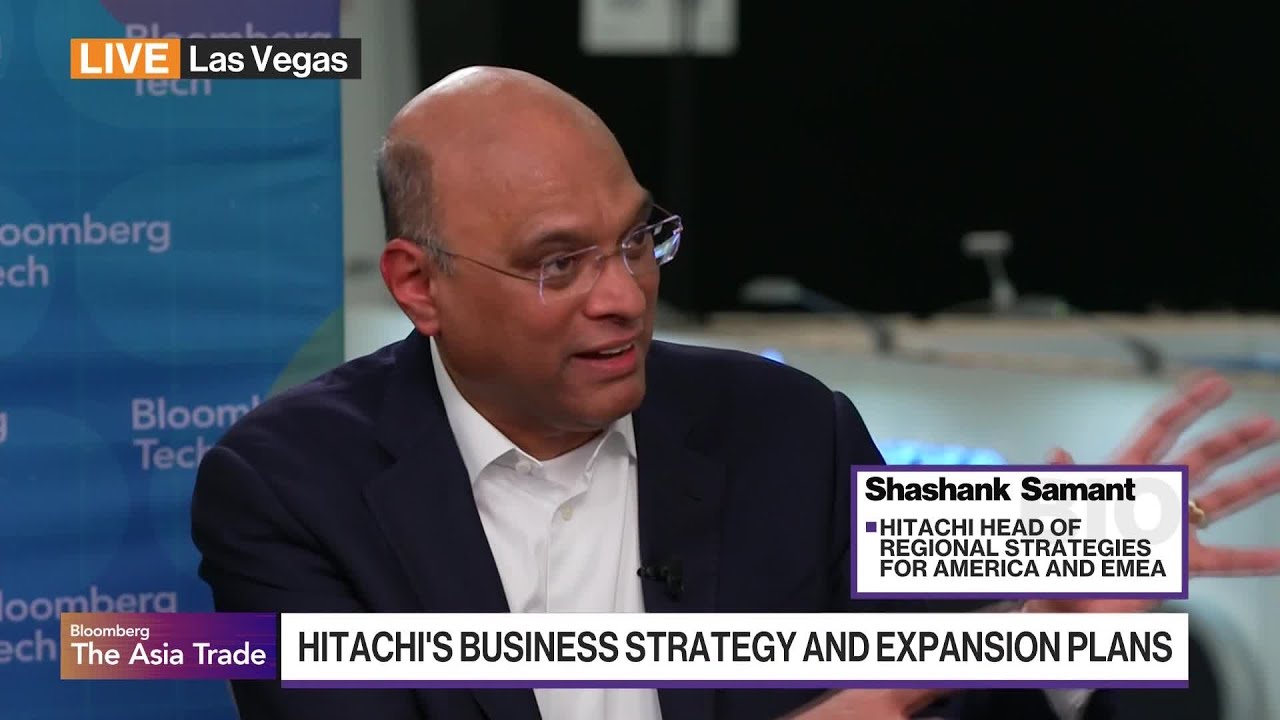
Hitachi’s business strategy is centered on the convergence of digital and physical technologies, particularly as it looks toward 2026. The company operates across key social infrastructure sectors such as energy, mobility (including rail), manufacturing, and even cancer research. Hitachi’s long history in physical operations, combined with its growing digital expertise, positions it to leverage artificial intelligence (AI) to enhance efficiency and inclusivity across these sectors. The company is launching initiatives like HMX, which integrates AI with its extensive operational data and industry knowledge, in partnership with leading technology firms like Nvidia, Google, and OpenAI.
Addressing concerns about changes in data center cooling technology—especially after Nvidia’s announcement about reduced water cooling needs—Hitachi remains confident in its relevance. The company’s core strengths lie in energy transmission, chip manufacturing equipment, and infrastructure, making it both a creator and consumer of critical technologies. Hitachi is adapting to trends in cooling, such as liquid and immersion cooling, and maintains a long-term innovation focus, planning 10 to 15 years ahead rather than just reacting to short-term cycles.
Internationally, Hitachi’s business is increasingly global, with over 60% of its revenue coming from outside Japan. China, the Americas, and Europe are significant growth markets, though the company is mindful of geopolitical factors such as export controls. In Japan, Hitachi is also involved in expanding digital infrastructure, including projects related to national defense. Its Digital Systems and Services division is a major player in these areas, supporting both national security and financial services, and is central to Hitachi’s ongoing digital transformation.
A key part of Hitachi’s transformation is the integration of software and AI into its physical operations. The Lumada platform, launched in 2016, has evolved into its third generation and is now a core part of the HMX initiative. Hitachi aims for 50% of its sales to come from digital services by fiscal 2028, reflecting its belief that software and AI will increasingly drive the world’s infrastructure. The company is confident in its trajectory and is pushing to exceed these targets.
Finally, Hitachi is exploring the use of AI and humanoid robots in electronics manufacturing and other sectors that require skilled labor. Rather than replacing jobs, the company sees humanoids as a way to address labor shortages in specialized fields like electrical and mechanical engineering. Hitachi is also investing in talent globally, with a significant workforce in India and ongoing recruitment across regions to support its transformation. The company’s clients rely on Hitachi to lead by example in digital transformation, making talent development and technological innovation central to its strategy.