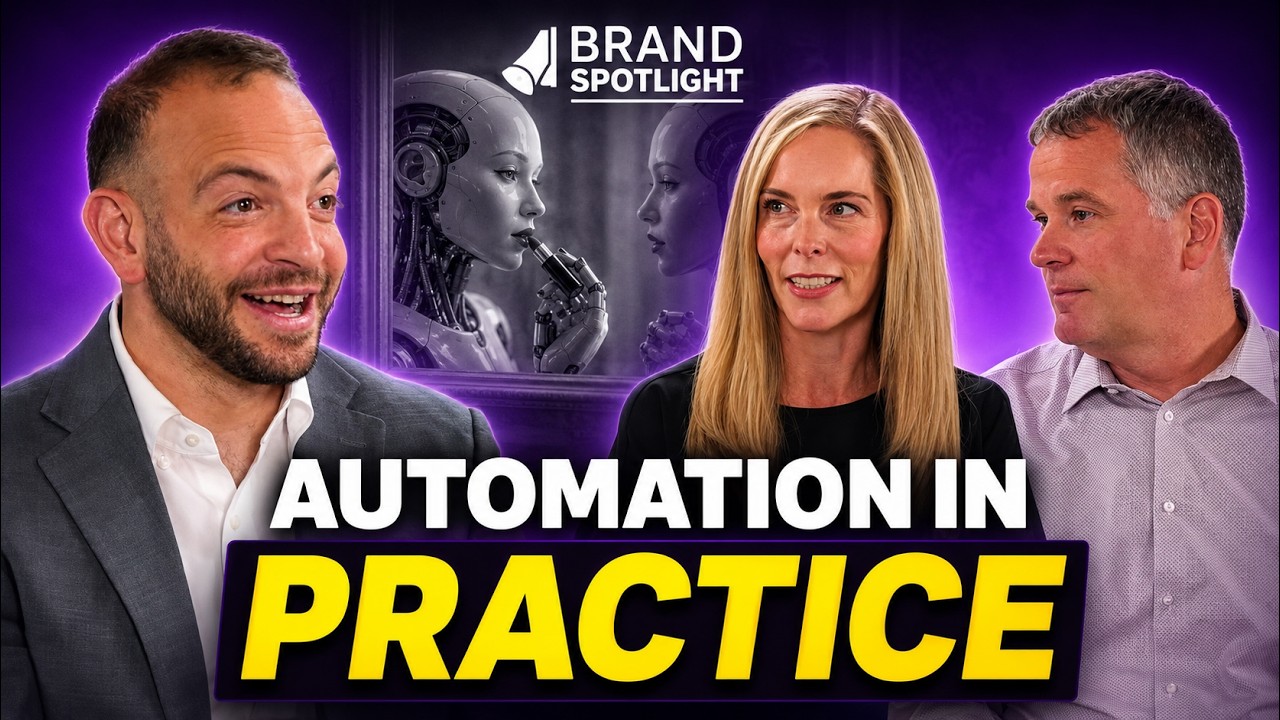
The video features a conversation with Rachel Williamson, Vice President of People Strategy, Systems, and Operations, and Josh Siebert, Vice President of AI, Data, and Enterprise Platforms at Ulta Beauty, discussing how the company implemented AI and automation within their HR function. Ulta Beauty, a large beauty retailer with over 65,000 associates across stores, distribution centers, and corporate teams, faced challenges with employees struggling to find HR-related information due to fragmented content and ineffective search tools. This led to long wait times for HR support, often requiring employees to stand in line or call HR directly for routine questions.
To address these issues, Ulta Beauty partnered with ServiceNow to launch an AI-powered HR service delivery platform. The platform includes a branded HR portal with a chatbot and an AI-powered search engine designed to personalize content based on the employee’s location and role. This dynamic system replaced the outdated, one-size-fits-all employee handbook, providing tailored responses to questions such as PTO balances and policy details. The solution also integrates IT service management, allowing employees to report and track issues like equipment malfunctions, which are critical to store operations.
The implementation focused on automating routine, repetitive HR tasks such as updating personal information and checking W-2 status, freeing HR staff to concentrate on more complex and value-added employee concerns. This shift not only improved the employee experience by providing faster, more accessible information but also enhanced job satisfaction for HR professionals by reducing their administrative burden. The change was well-received by the HR team, who appreciated the opportunity to focus on strategic work rather than busywork.
Josh and Rachel highlighted the challenges of integrating multiple third-party systems with ServiceNow, noting that technology rollouts often face difficulties with data migration and system compatibility. However, they expressed optimism about the future use of AI to streamline these processes further, including content migration and policy consistency checks. They also discussed plans to expand AI applications to other HR areas, such as onboarding and employee lifecycle management, aiming to make early employee experiences smoother and more engaging.
Both leaders emphasized the importance of starting AI initiatives with clear business outcomes and strong stakeholder buy-in rather than pursuing AI for its own sake. They advised organizations to focus on solving real problems and managing change effectively to ensure successful adoption. The conversation concluded with reflections on the nuanced realities of AI implementation in large enterprises, underscoring that while AI can automate many tasks, human judgment remains essential for complex and sensitive issues.