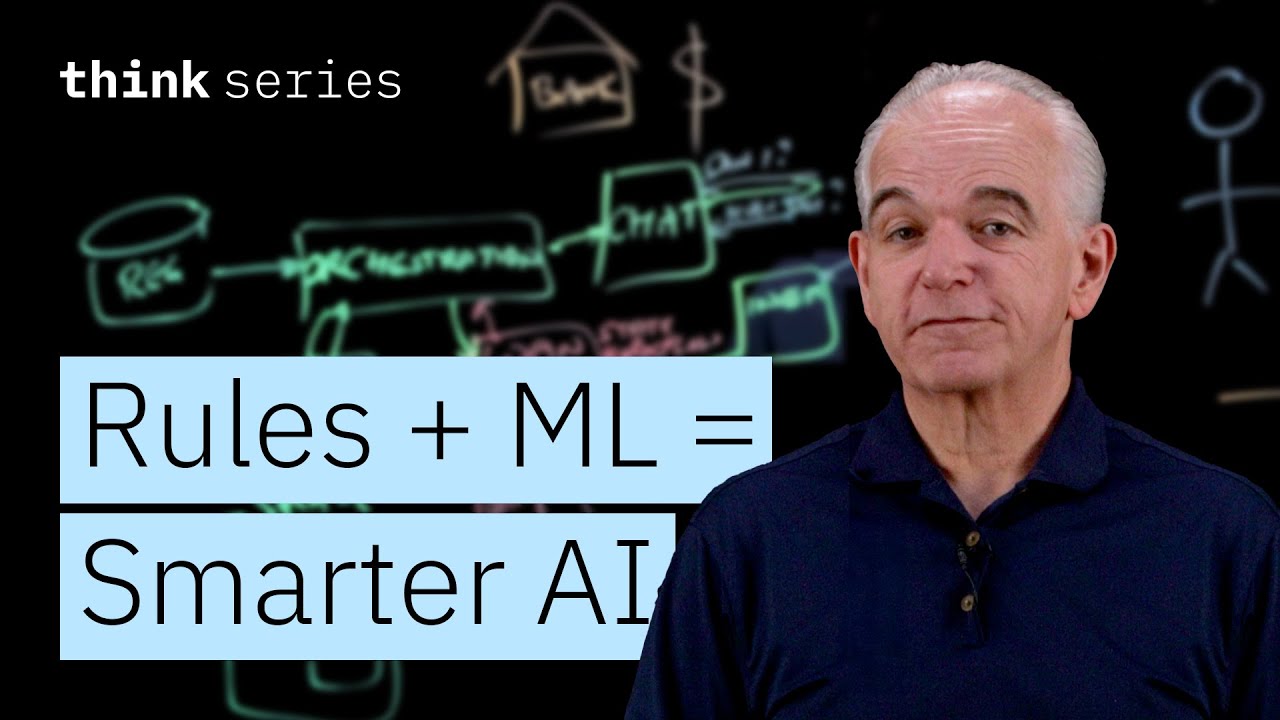
The video explains how agentic AI systems combine large language models (LLMs) with other automation technologies like workflows, decision agents, and data agents to create adaptable and transparent solutions for complex problems. While LLMs excel at understanding natural language and managing conversations, they have limitations in handling state, consistency, and regulatory compliance. Therefore, a multi-method approach is necessary, integrating LLMs with proven automation tools to build robust systems that can survive regulatory scrutiny and deliver reliable outcomes.
Using the example of a bank deciding whether to lend money for a boat purchase, the video illustrates how different AI agents collaborate. The process starts with a chat agent powered by an LLM that interacts with the customer, interpreting their questions or requests. This chat agent passes the customer’s intent to an orchestration agent, also an LLM, which identifies and routes the request to specialized agents such as a loan policy agent. The loan policy agent uses retrieval-augmented generation (RAG) to analyze relevant bank documents and provide clear, natural language answers about lending policies.
When the customer decides to apply for a loan, the system shifts to workflow technology to manage the loan application process. This workflow agent tracks the state of the application, handling interruptions and resumption seamlessly. To determine eligibility, a decision agent based on business rules management systems applies consistent, transparent logic to the customer’s data, ensuring regulatory compliance. Data agents retrieve necessary information like credit bureau data, while document ingestion agents use LLMs to extract structured data from documents such as brochures, enabling the system to understand the asset involved in the loan.
If the loan decision is uncertain, the system involves human customer service representatives supported by companion and explainer agents powered by LLMs. The companion agent helps the representative quickly access and understand all relevant customer information, while the explainer agent translates complex decision logs into natural language explanations. This enables the representative to clarify issues with the customer effectively. Once issues are resolved, the loan application agent retries the decision, and if approved, the loan is granted.
Overall, the video highlights the strengths and limitations of large language models and demonstrates how combining them with workflow, decision, and data agents creates a powerful, transparent, and adaptable agentic AI framework. This multi-method approach ensures consistent decision-making, efficient data handling, and seamless human-AI collaboration, making it suitable for complex, regulated environments like banking.