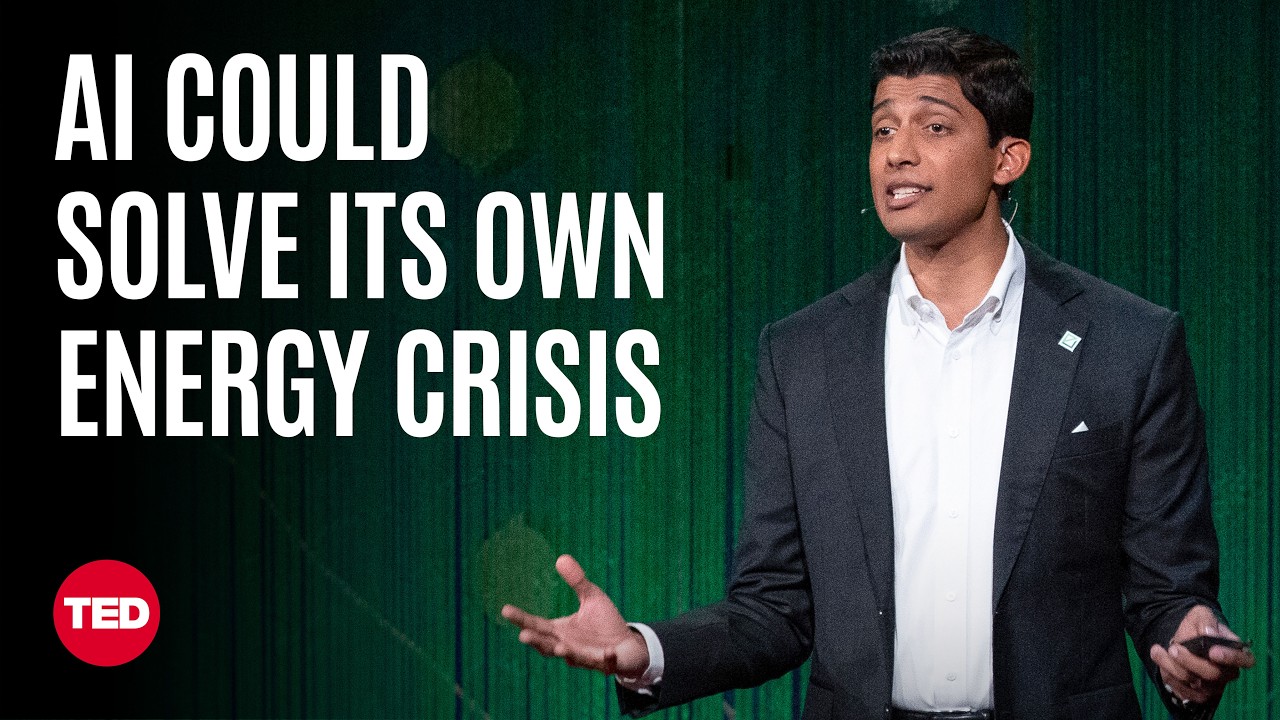
In Phoenix, Arizona, during a peak demand period on a scorching day, a cluster of AI servers at an Oracle data center successfully reduced their power consumption by 25% for three hours, easing stress on the power grid without compromising performance. This demonstration, led by Emerald AI, showcased how flexible AI computing can help manage energy demand during critical times. Similar efforts by companies like Google highlight the potential for AI to not only consume energy but also actively support and stabilize the power grid, addressing the challenge of powering the rapidly growing AI infrastructure while promoting a cleaner, more reliable energy system.
Varun Sivaram, founder of Emerald AI and former clean energy diplomat, emphasizes that the energy challenge for AI is not just about supply but also about managing demand intelligently. The rapid expansion of AI data centers, which currently consume about 4% of U.S. power and are projected to reach 12% by 2030, poses significant risks including increased power prices, delayed grid connections, and reliance on fossil fuels like natural gas and coal. Without intervention, this growth could strain aging electricity grids, increase carbon emissions, and hinder America’s competitiveness in AI development.
The key to solving this crisis lies in flexibility—specifically, enabling AI data centers to adjust their energy use in response to grid conditions. Unlike traditional energy users, AI workloads can be paused, slowed, or shifted geographically across data centers to match power availability. This “spatiotemporal flexibility” allows AI to consume excess capacity during off-peak times and reduce demand during peak periods, effectively acting as a shock absorber for the grid. Sivaram explains that even modest flexibility—reducing demand by 25% for less than 2% of the year—could unlock up to 100 gigawatts of new AI capacity on existing grids, avoiding costly infrastructure upgrades.
Emerald AI’s software, called the Emerald Conductor, orchestrates this flexibility by managing AI workloads based on grid signals. It distinguishes between flexible batchable tasks, like training AI models, which can be paused or slowed, and inflexible real-time queries, which can be rerouted to data centers in regions with abundant power. This approach was successfully tested in Phoenix, proving that AI data centers can flexibly reduce power use without sacrificing performance. The challenge now is to foster cooperation between the energy and AI industries to adopt these practices widely and integrate AI data centers as active partners in grid management.
Looking ahead, flexible AI data centers could transform the energy landscape by enabling faster AI infrastructure deployment, lowering power costs, and facilitating the integration of renewable energy sources like solar and wind. By aligning AI energy consumption with clean energy availability, these data centers can reduce reliance on fossil fuels and support a more sustainable power grid. Sivaram envisions a future where AI innovation and clean, affordable energy coexist, with AI itself playing a crucial role in creating a smarter, more resilient energy system for all.