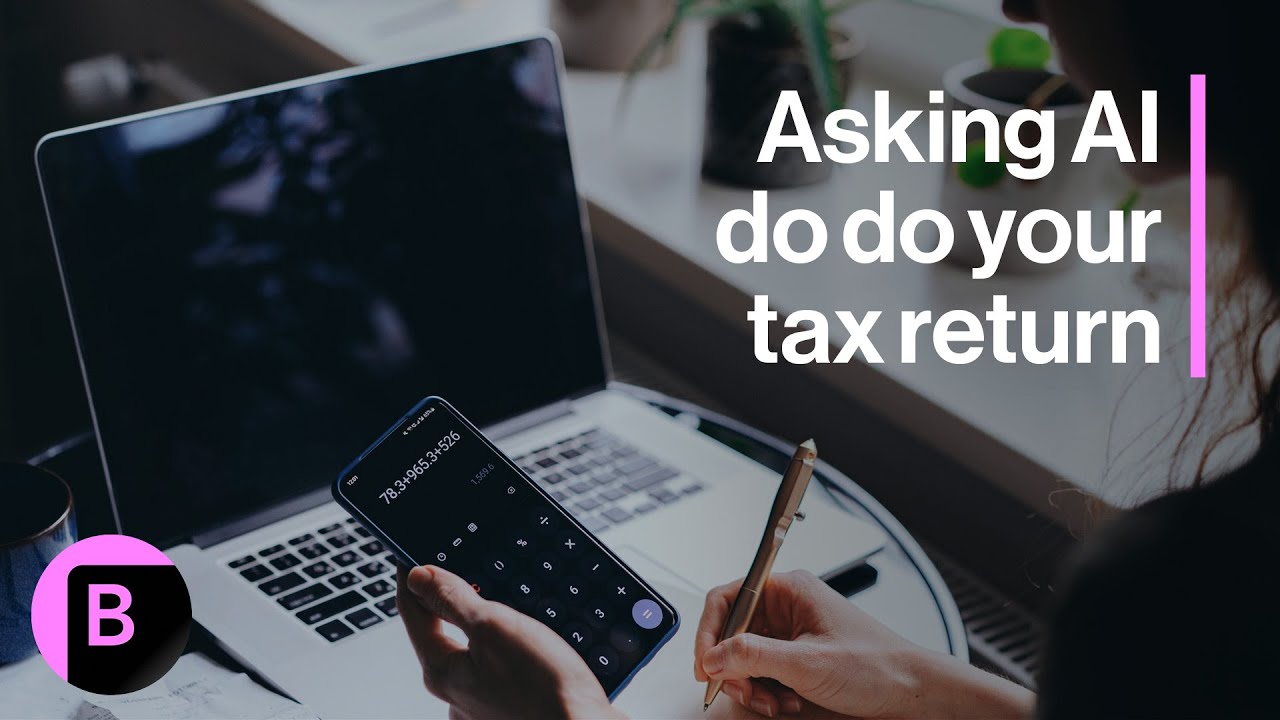
AI tools like Claude are increasingly assisting Americans in organizing tax documents and streamlining the tax filing process, especially for busy professionals. However, due to concerns about accuracy, outdated information, and potential IRS complications, experts stress that AI should be used cautiously and under human oversight rather than as a complete replacement for traditional tax preparation services.
The approaching tax filing deadline in the US has many taxpayers, including Americans living abroad, feeling the pressure of navigating the notoriously complex tax system. Traditionally, many high-earning individuals rely on accountants to manage their tax returns due to the intricate rules involved. However, there is a growing trend of using AI tools, such as chatbots, to assist in organizing tax documents and information, potentially reducing the workload for both taxpayers and their accountants.
Despite the promise of AI in simplifying tax preparation, there are significant concerns about its reliability and accuracy. The US tax code frequently changes, and many AI models are not always up to date, leading to potential errors or “hallucinations” in the data they generate. This raises the risk of mistakes that could trigger audits or other complications, making some tax professionals wary of fully trusting AI for tax filing purposes.
The dominance of established tax software companies like Intuit and H&R Block, which control a large share of the market, is also being challenged by AI-driven solutions. Recent market reactions have reflected fears that AI could disrupt these traditional players. However, experts caution that AI is more likely to serve as a tool to enhance efficiency rather than completely replace existing tax preparation services, at least in the near term.
Accountants emphasize the importance of using AI cautiously, highlighting that while it can streamline certain tasks—such as gathering and organizing financial documents—it should not be solely relied upon to make final tax decisions. The risk of raising red flags with the IRS due to AI errors is a significant concern, and there is limited precedent for how audits involving AI-prepared returns would be handled. Therefore, human oversight remains crucial.
Overall, AI is becoming a helpful assistant in the tax preparation process, particularly for busy professionals who want to avoid tedious manual work. It can improve efficiency and support junior staff in accounting firms, but users must remain aware of its limitations. The evolving role of AI in tax filing is nuanced, offering benefits while also requiring careful management to avoid potential pitfalls.