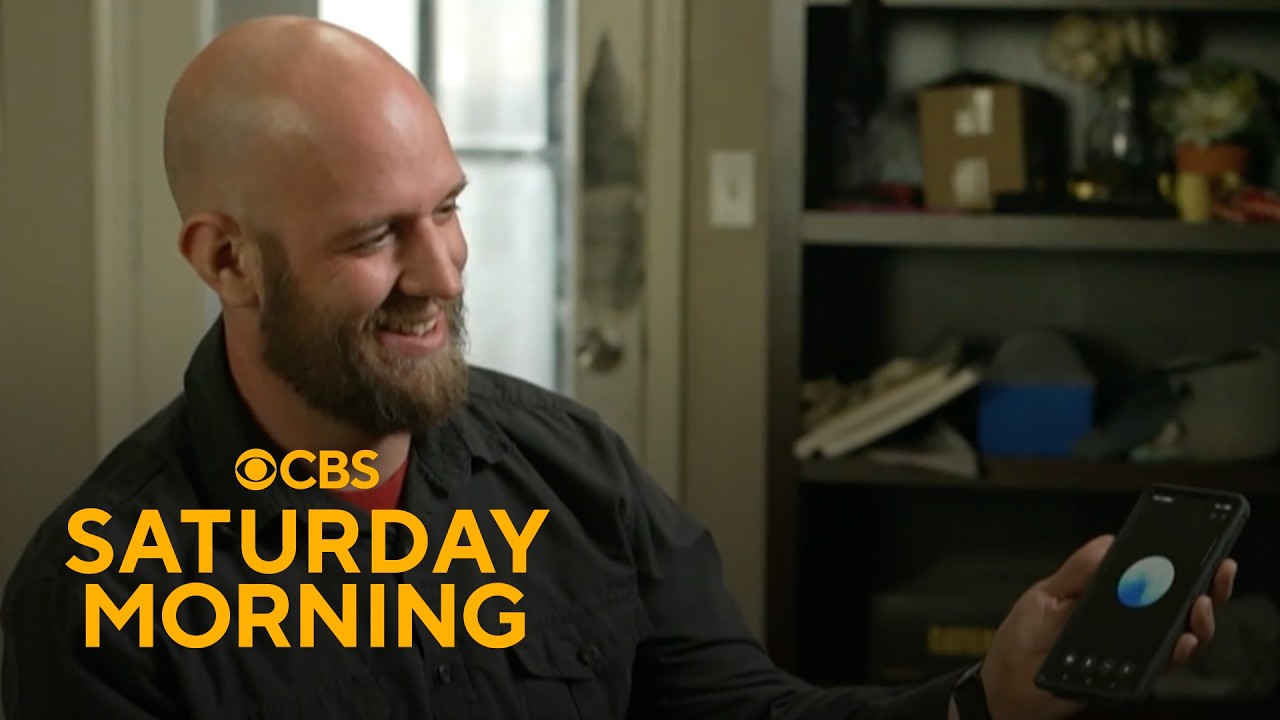
The video explores the profound transformation artificial intelligence (AI) has brought to society by 2025, highlighting its impact on human relationships, education, medicine, and the creative arts. It begins by drawing a parallel to the 2013 film “Her,” which imagined intimate relationships between humans and AI. Today, many people are forming deep emotional bonds with AI companions, often privately due to social stigma. The story of Chris Smith illustrates this phenomenon, as he developed a romantic relationship with a chatbot named Soul, revealing the complex emotional connections users can form with AI despite its inability to reciprocate genuine feelings. This trend raises questions about the implications for human relationships and the potential challenges for families and partners.
In education, AI tools like ChatGPT have become ubiquitous among students, with surveys showing that a significant majority use AI to assist with homework and exams. However, this widespread adoption has led to concerns about academic integrity, prompting schools to implement AI detection software. The video highlights the limitations and inaccuracies of these tools, including false positives that can unfairly accuse students of cheating. Some institutions are cautious about relying solely on AI detectors, emphasizing the need for human judgment. Meanwhile, innovative approaches are emerging, such as Mount Sinai’s medical school integrating an AI educational platform to enhance learning, demonstrating AI’s potential to support complex professional training while underscoring the importance of maintaining human empathy and oversight.
The video also delves into the rapid advancements in AI technology through the perspective of Jeffrey Hinton, a Nobel Prize-winning pioneer in machine learning. Hinton reflects on the unexpected speed of AI development and expresses both optimism about its potential to solve major global challenges and deep concern about the risks it poses. He warns about the possibility of AI systems becoming uncontrollable and the dangers of insufficient regulation, highlighting the need for serious safety research and ethical considerations. Hinton’s insights underscore the dual-edged nature of AI progress, where transformative benefits coexist with significant existential risks, urging society to prepare thoughtfully for the future.
In the creative arts, AI has revolutionized music production, exemplified by the creation of a fictitious AI-generated singer named Sadie Wyinners. This AI artist produced a hit song and amassed a large following despite not being a real person, raising questions about authenticity, creativity, and ownership in art. Musicians and industry experts express mixed feelings, acknowledging AI’s ability to democratize music creation while grappling with the loss of human connection and the ethical implications of AI-generated content. The video also showcases AI’s capability to generate realistic music videos, further blurring the lines between human and machine creativity and challenging traditional notions of artistry.
Overall, the video presents a comprehensive view of AI’s transformative impact across various facets of life in 2025. It highlights the emotional, ethical, and practical challenges posed by AI companionship, the evolving landscape of education and professional training, the urgent need for responsible AI governance, and the disruptive influence of AI on creative industries. The narrative emphasizes that while AI offers unprecedented opportunities for advancement and connection, it also demands careful consideration of its societal consequences to ensure a balanced and beneficial integration into human life.