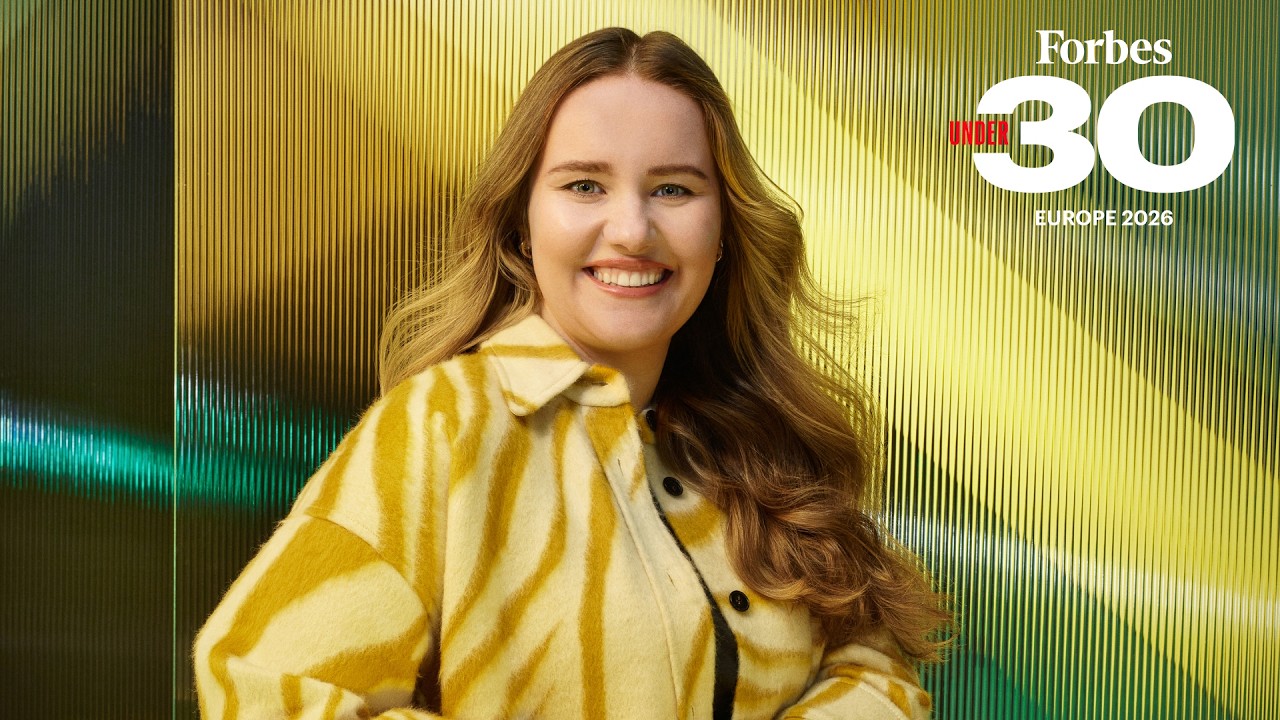
The video features an insightful discussion with Clarice, founder of CellXraft, an AI-driven company focused on scaling cellular manufacturing, particularly cultivated or lab-grown meat. Clarice explains that traditional meat production is highly inefficient, using over 80% of farmland but producing only 18% of food calories, making cultivated meat a promising sustainable alternative. CellXraft develops AI and automation platforms to optimize the biomanufacturing process, starting with cultivated meat due to its potential for significant environmental and ethical impact. The cultivated meat is produced by sourcing cells non-invasively from animals, growing them in bioreactors, and combining muscle and fat cells to create meat products like burgers and sausages, with ambitions to eventually produce structured cuts like steaks.
Clarice shares her personal motivation rooted in veganism and effective altruism, emphasizing the cultural importance of meat and the growing global demand that factory farming cannot sustainably meet. She highlights the challenges in the industry, such as the lack of academic funding and the repetitive nature of startup R&D efforts. CellXraft addresses these by providing critical infrastructure, including proprietary cell lines and advanced analytics software that offers real-time cell monitoring and predictive control, enabling manufacturers to optimize and scale their processes efficiently. Their AI platform integrates with existing bioreactors, enhancing functionality and reducing batch failures and costs.
The conversation also touches on the regulatory and market landscape, noting that while some regions like the US have restrictive policies, countries such as the UK and Singapore are more supportive of alternative proteins. Consumer acceptance remains a challenge due to misinformation and cultural resistance, especially in Europe, where some political groups oppose cultivated meat. Clarice stresses the importance of transparency, education, and partnerships with trusted local meat producers to build consumer trust and facilitate adoption. She also discusses the multidisciplinary nature of the team and the complexities of commercializing cultivated meat technology, including navigating regulatory hurdles and investor expectations.
Beyond cultivated meat, CellXraft is exploring applications of their technology in other biomanufacturing sectors such as cell therapy, fermentation, and biopharma. Their primary revenue model currently revolves around their AI-powered software as a service (SaaS), which optimizes bioprocesses and integrates with bioreactor manufacturers. Clarice notes that innovation in bioreactor software has been limited, and their AI-driven approach offers a significant competitive advantage. Despite some investor skepticism due to long development timelines and regulatory challenges, there is growing interest from biotech-savvy investors who understand the potential returns and impact of early-stage investment in this field.
Finally, Clarice reflects on the broader sustainability implications of cultivated meat, emphasizing its potential to reduce environmental damage caused by traditional livestock farming, including deforestation, greenhouse gas emissions, and antibiotic resistance. She advocates for increased investment in the ecosystem and infrastructure to accelerate development and scale-up. As a female founder in a male-dominated industry, Clarice shares her experiences and encourages other women entrepreneurs to recognize their power and navigate systemic challenges with confidence. She remains optimistic about the future of cultivated meat and sustainability, envisioning a world where ethical, sustainable, and culturally resonant meat alternatives become mainstream.